ATT at 10

Reflecting on the Arms Trade Treaty’s first ten years and looking towards effective implementation in its second decade

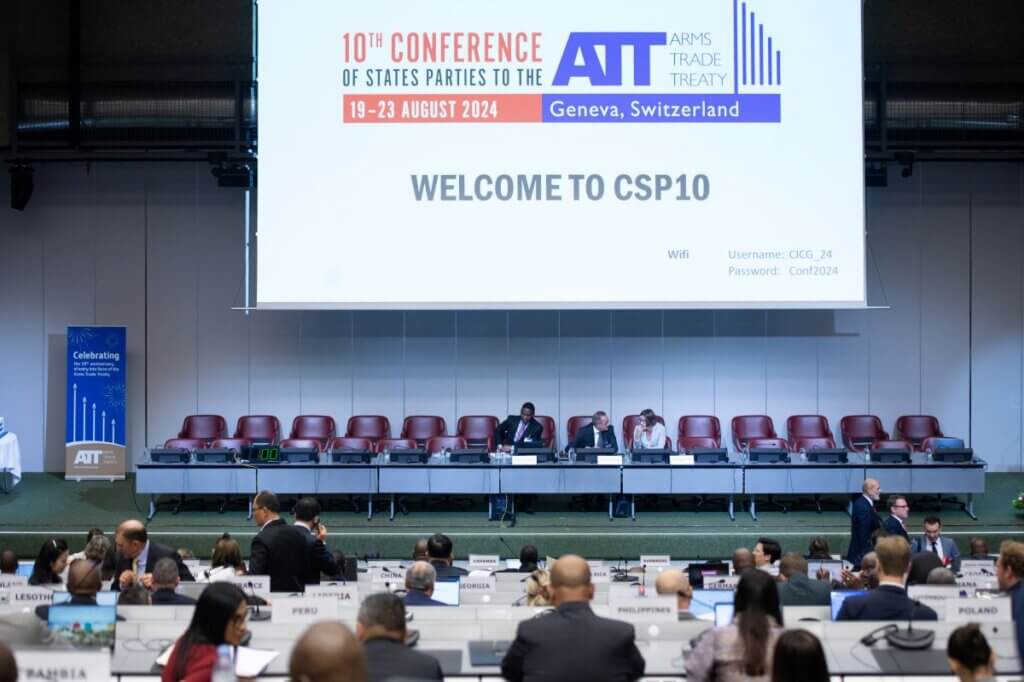
December 24, 2024 marks the tenth anniversary of the Arms Trade Treaty (ATT), the first international instrument regulating the international trade of conventional arms. As we celebrate the treaty’s milestone, this project examines whether the treaty is living up to the expectations and intentions of its adopters, lessons learned from the treaty’s first ten years, and provides recommendations for the treaty’s next decade.

This project is supported generously by the governments of Australia and the United Kingdom.
Final Report
Report
Looking back at the first ten years of ATT implementation and developing recommendations for the treaty’s next decade
Rachel Stohl
ATT at 10 Events
Online Only
Publications
ATT at 10 Commentaries
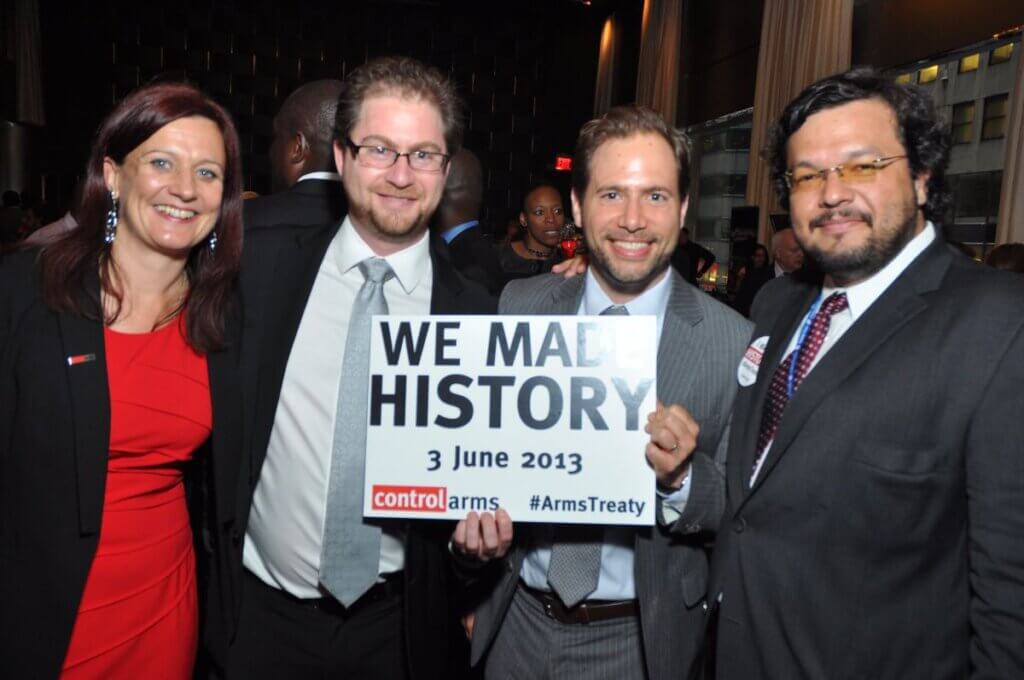
In international negotiations, while the interests and will of the States engaged in the process guide the outcome, the people in the room matter. Stimson brought together some of the original stakeholders involved in the ATT process, including diplomats and civil society researchers and advocates, a decade after its adoption to provide reflections on the ATT’s past decade and key insights into the treaty’s current impact and future trajectory.
Commentary
Hector Guerra
Commentary
Guy Pollard
Commentary
H.E. Ambassador Peter Woolcott
Commentary
H.E. Ambassador Roberto García Moritán
Commentary
William B. Malzahn
Looking Back to Look Forward
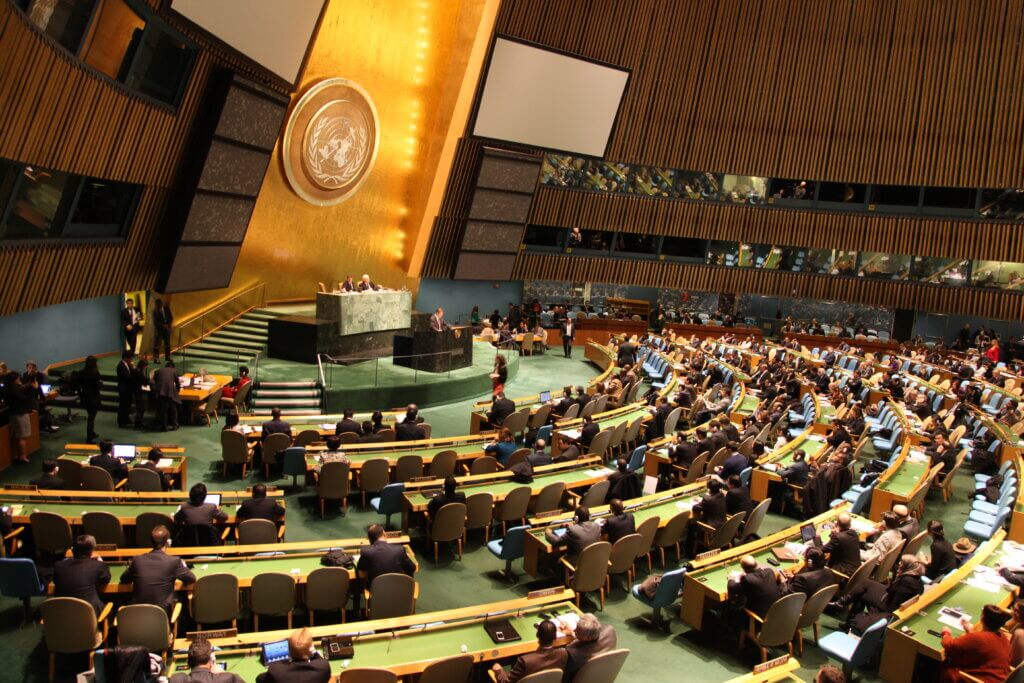
Celebrating the Arms Trade Treaty's first decade
The slideshow will proceed automatically.

Hover over an image to pause the slideshow and click the arrows to move through at your own pace.

“We have a treaty that... promotes greater responsibility by States on their arms transfers and, for the first time, formally brings humanitarian concerns into the security space of arms transfers.”
H.E. Ambassador Roberto García Moritán Former Ambassador of Argentina to the UN Chair/President of ATT Process 2008-2012
“The Arms Trade Treaty urgently requires a strong strategic vision and agency to successfully navigate the geopolitical realities of international relations, which influence the transfer of arms, their components, munitions, and their use.”
Hector Guerra

Co-Director, MERIDIONAL

“Almost 10 years since the ATT entered into force the Treaty is more important than ever in efforts to reduce the global epidemic of armed conflict and violence. Only when all States are fully and faithfully applying the ATT's core provisions, as set out in Articles 6 and 7, will the Treaty be able to deliver on its objective of reducing human suffering caused by the illicit and irresponsible international trade in conventional arms.”
Elizabeth Kirkham

Senior Adviser, Arms Unit, Saferworld

“The ATT is a living instrument of the efficaciousness of multilateralism to devise rules and other solutions to tackle problems which confront the international community.”
Eden Charles

Lead Negotiator of CARICOM for the ATT

"The true impact of the Arms Trade Treaty thrives outside the conference rooms, where civil society groups are using it to challenge governments' arms supplies to conflict zones and human rights violators."
Anna Macdonald

Co-Chair of the Control Arms Coalition, 2002-2013 Director of the Control Arms Secretariat, 2014-2019

“It was an honor to be part of the negotiations to create the Arms Trade Treaty. While there remain many problems around the world, legally-binding international standards we have sat forth to regulate international arms transfers will continue to play a critical role in promoting peace and reducing human suffering.”
Tomoaki Ishigaki

Minister, Embassy of Japan to the United States Former Japanese ATT negotiator at the Japanese mission to the UN in New York, 2010-2013

“Examining the nature of the ATT reveals that it is not a prohibition of the arms trade but rather a framework of regulations intended to ensure that the trade remains responsible and considerate of humanitarian and geopolitical circumstances.”
Guy Pollard

UK Deputy Representative to the Conference on Disarmament in Geneva, 2004-2016 Supported negotiations and drafting of the final Treaty text

“The ATT set the stage to regulate the international trade of weapons, limit their diversion, and most importantly, save lives. But like any other stage it requires actors to turn off the ghost light and perform: It is time for States, experts, civil society and others to turn their focus on implementing the Treaty.”
Dr. Roberto Dondisch

Head Negotiator of Mexico to the ATT process Distinguished Fellow Stimson Center

“Transparency is crucial for the success of the ATT. It ensures accountability and builds trust among states parties.”
Dr. Roberto Dondisch

Head Negotiator of Mexico to the ATT process Distinguished Fellow Stimson Center

“I do not believe we could have got a stronger or more effective treaty and kept the major exporters and importers on board. We certainly could not negotiate this treaty today due to the geopolitical realities that challenge the international system.”
H.E. Ambassador Peter Woolcott

Former Ambassador of Australia to the United Nations, Geneva (ATT Conference President 2013)

“The negotiation of the ATT proved that commercial interests could take a back seat when lives are in jeopardy.”
Dr. Roberto Dondisch

Head Negotiator of Mexico to the ATT process Distinguished Fellow Stimson Center