







Challenges in the 1540 nonproliferation assistance process result in unmatched formal assistance requests despite hundreds of nonproliferation assistance activities on offer across the globe
July 26, 2021
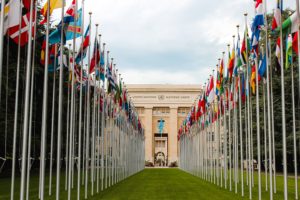
The UN Security Council has voted to extend the mandate of the 1540 Committee, allowing for a third Comprehensive Review of Resolution 1540
May 26, 2021

On February 26, 2021 the Stimson Center and American University unveiled its Cheminformatics database tool and software.
April 2, 2021

Evidence suggests that national legal frameworks for chemical security, as required for all UN Member States under UNSCR 1540, remain persistently underdeveloped
December 15, 2020
Examining the capability of a cheminformatics tool to help help keep track of chemicals and close the proliferation loophole
December 4, 2020

Radioactive materials remain notably vulnerable to use by violent groups
October 20, 2020

It could be easier for countries to get help for their nonproliferation efforts
October 13, 2020
Provide tools to bolster the control of CWs and support the global efforts to rid the world of this category of weapons
September 22, 2020