On July 9, 2011, South Sudan gained its independence and became the world’s newest nation. After decades of fighting in Sudan, the 2005 Comprehensive Peace Agreement called for a referendum in 2011, in which 98 percent of the population voted for independence from Sudan. Support from the United States and United Nations helped usher South Sudan’s independence and international recognition. Fifteen years later, the country continues to be plagued by violence, risk of famine, and political turmoil despite some attempts to revive a peace agreement and maintain a fragile transitional government comprised of two leaders, longtime President of South Sudan Salva Kiir Mayardit and opposition leader and First Vice President Reik Machar.
The UN has played a critical role over the past decade and a half supporting a lasting peace in South Sudan. The UN Mission in South Sudan (UNMISS) was established in tandem with the country’s declaration of independence. UNMISS has maintained a mandate from the UN Security Council to protect civilians, facilitate humanitarian assistance, use targeted good offices to support the peace process and prevent escalation of political violence, and monitor and report on human rights and international humanitarian law violations and abuses. But UN peacekeeping capabilities – in South Sudan and globally – have diminished due to dwindling financial contributions, and the UN’s liquidity crisis. Conflict in Sudan, the world’s correspondingly largest humanitarian crisis, has had devastating spillover effects. Furthermore, with international attention focused on major conflicts in Iran, the wider Middle East, and Ukraine, there are heightened concerns that the crisis in South Sudan will not be effectively, urgently, or cooperatively addressed by traditional partners.
This conversation, convened by the Partnership for Effective Peacekeeping (PEP), will examine current Security Council dynamics on South Sudan, implications of continued funding shortfalls, and the costs of the situation in country spiraling further out of control.
Photo Credit: UNMISS Step up Engagement Following Upsurge in Conflict Around Leer, South Sudan. 2022. UN Photo/Nektarios Markogiannis.
Featured Speakers
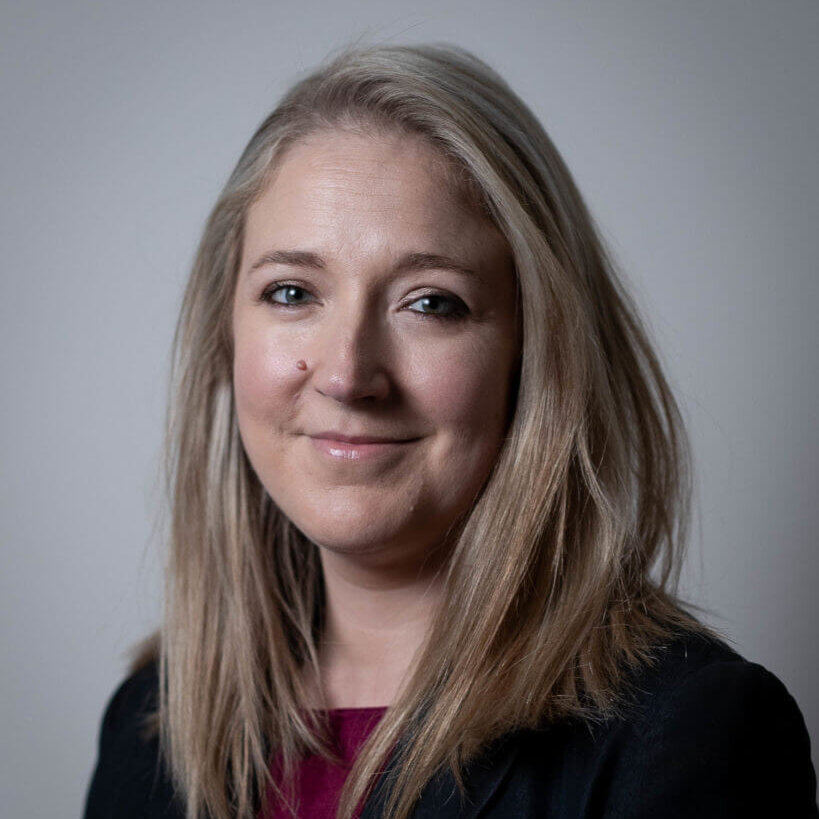
Lisa Sharland, Senior Fellow and Director of the Protecting Civilians and Human Security Program, Stimson Center (Opening Remarks)
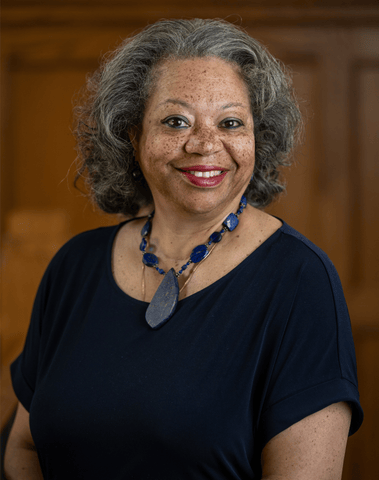
Ambassador Susan Page, Professor of Practice in International Diplomacy, Gerald R. Ford School of Public Policy; Professor from Practice, University of Michigan Law School; first U.S. Ambassador to South Sudan (2011-2014)
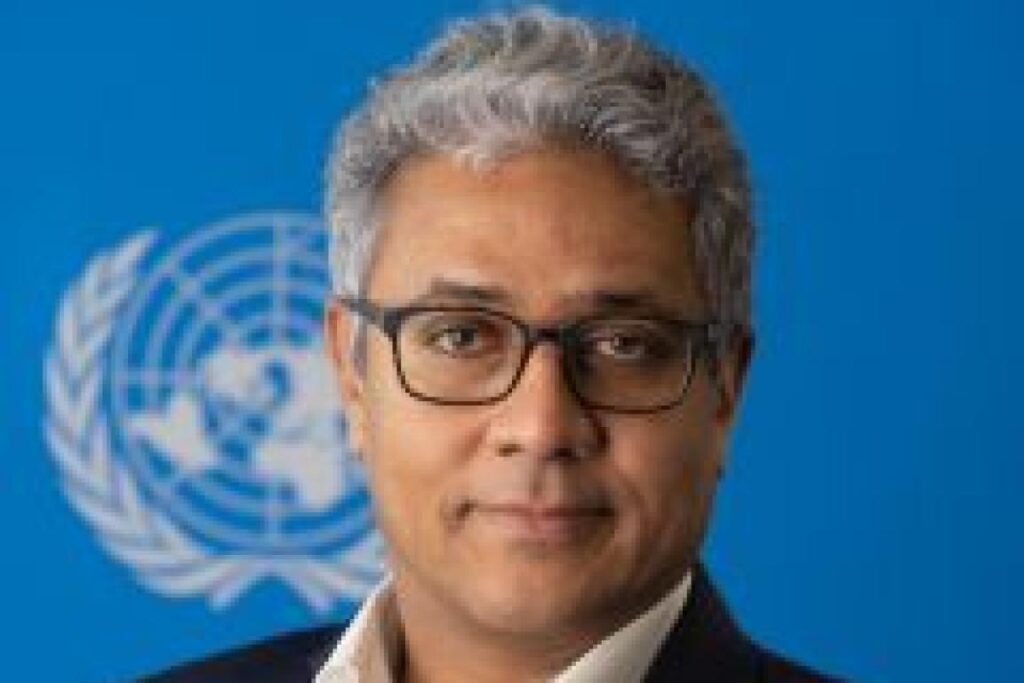
Graham Maitland, Ad Interim Deputy Special Representative of the Secretary-General – Political, United Nations Mission in South Sudan (UNMISS)
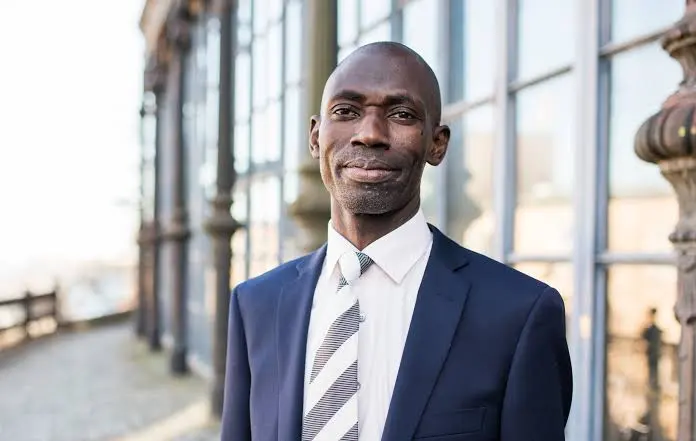
Edmund Yakani Berizilious, Executive Director, Community Empowerment for Progress Organization (CEPO)
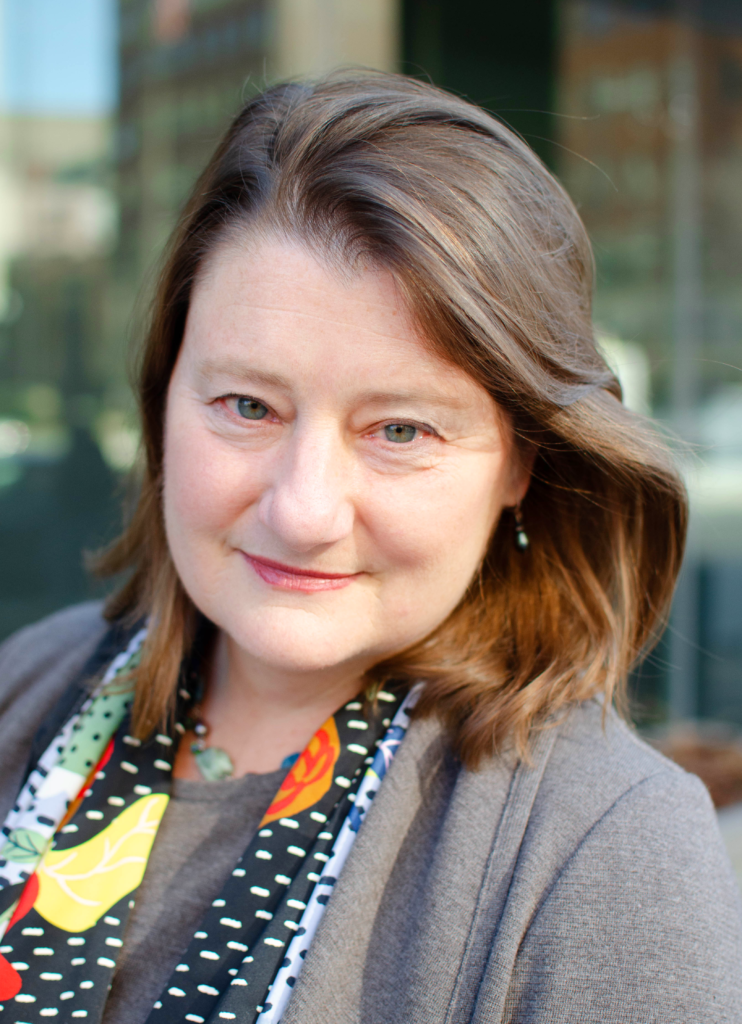
Victoria Holt, Director, John Sloan Dickey Center for International Understanding, Dartmouth University; Distinguished Fellow, Stimson Center
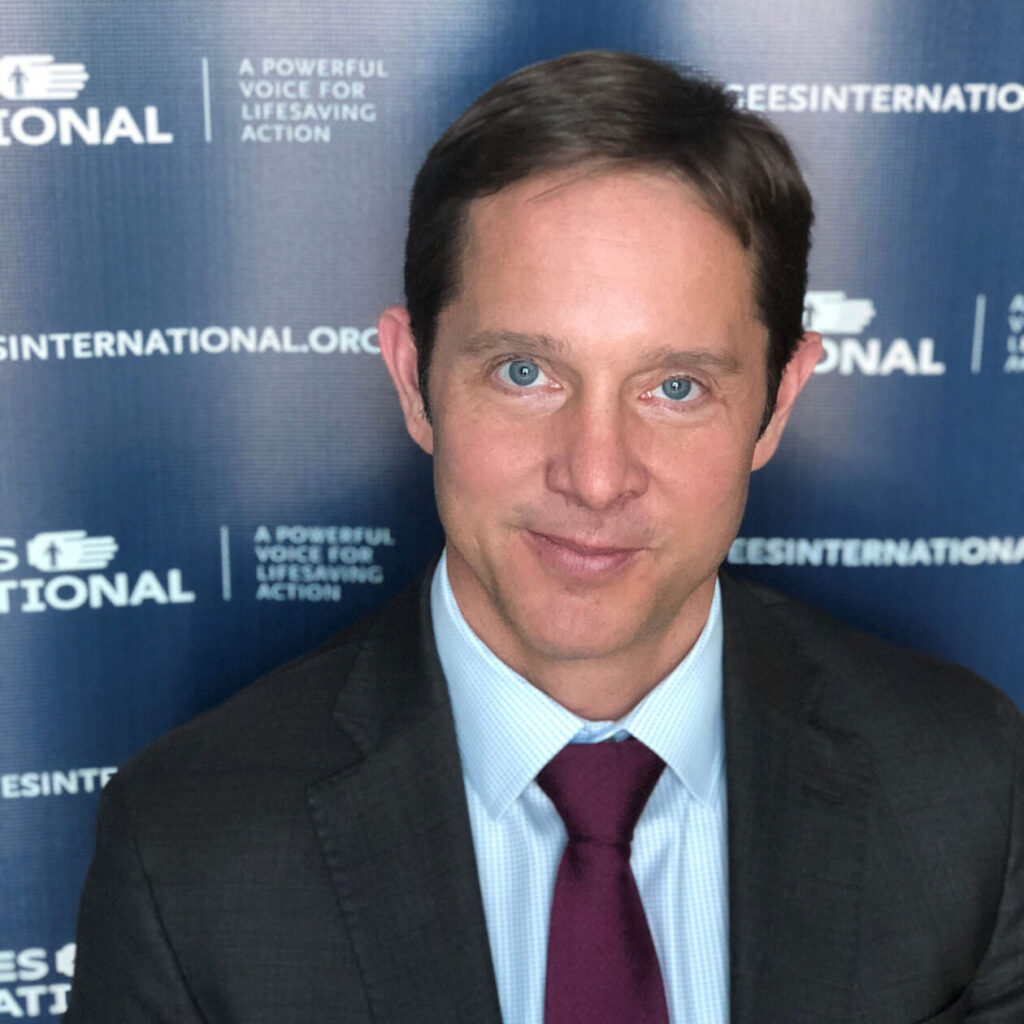
Hardin Lang, Vice President for Programs and Policy, Refugees International (Moderator)
The Partnership for Effective Peacekeeping (PEP) is a Washington, DC-based, non-partisan working group led by the Better World Campaign, the Stimson Center, Center for Civilians in Conflict, and Refugees International. PEP brings together the research, policy, advocacy, and humanitarian communities to identify challenges for peace operations, promote the best ways to strengthen international peacekeeping capacity, and maintain U.S. support for peacekeeping.