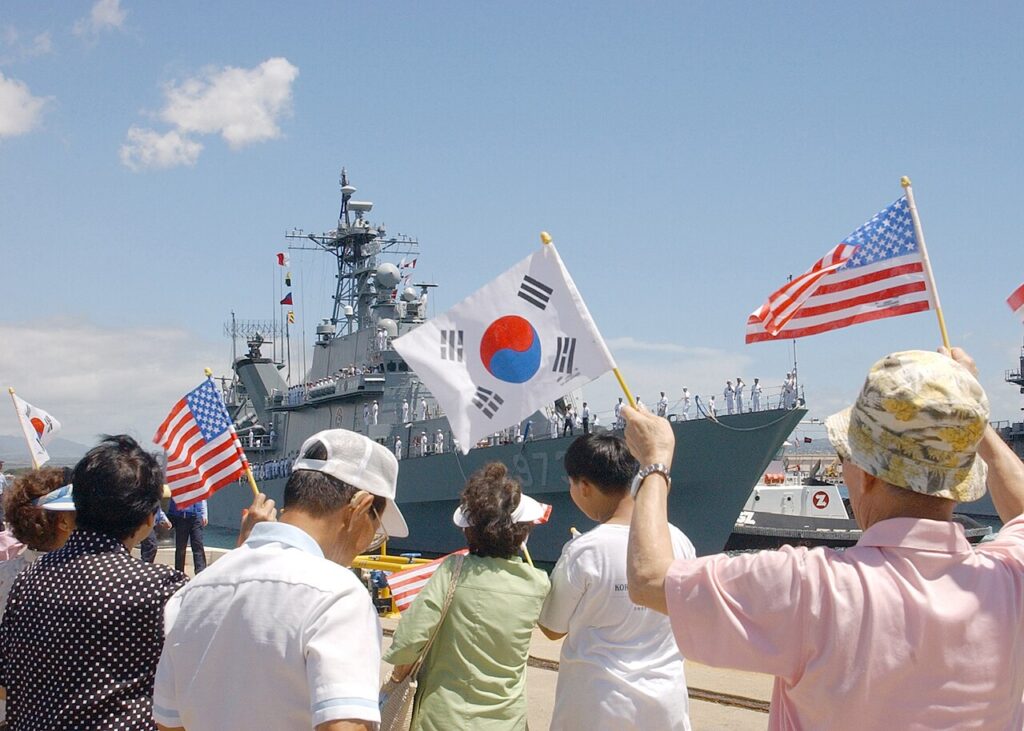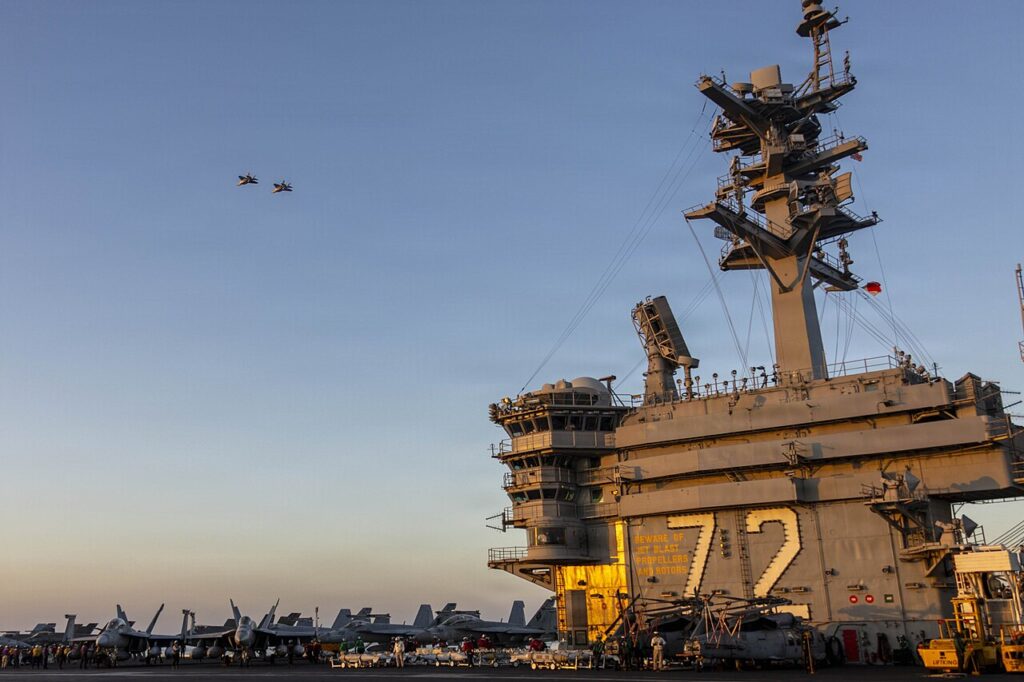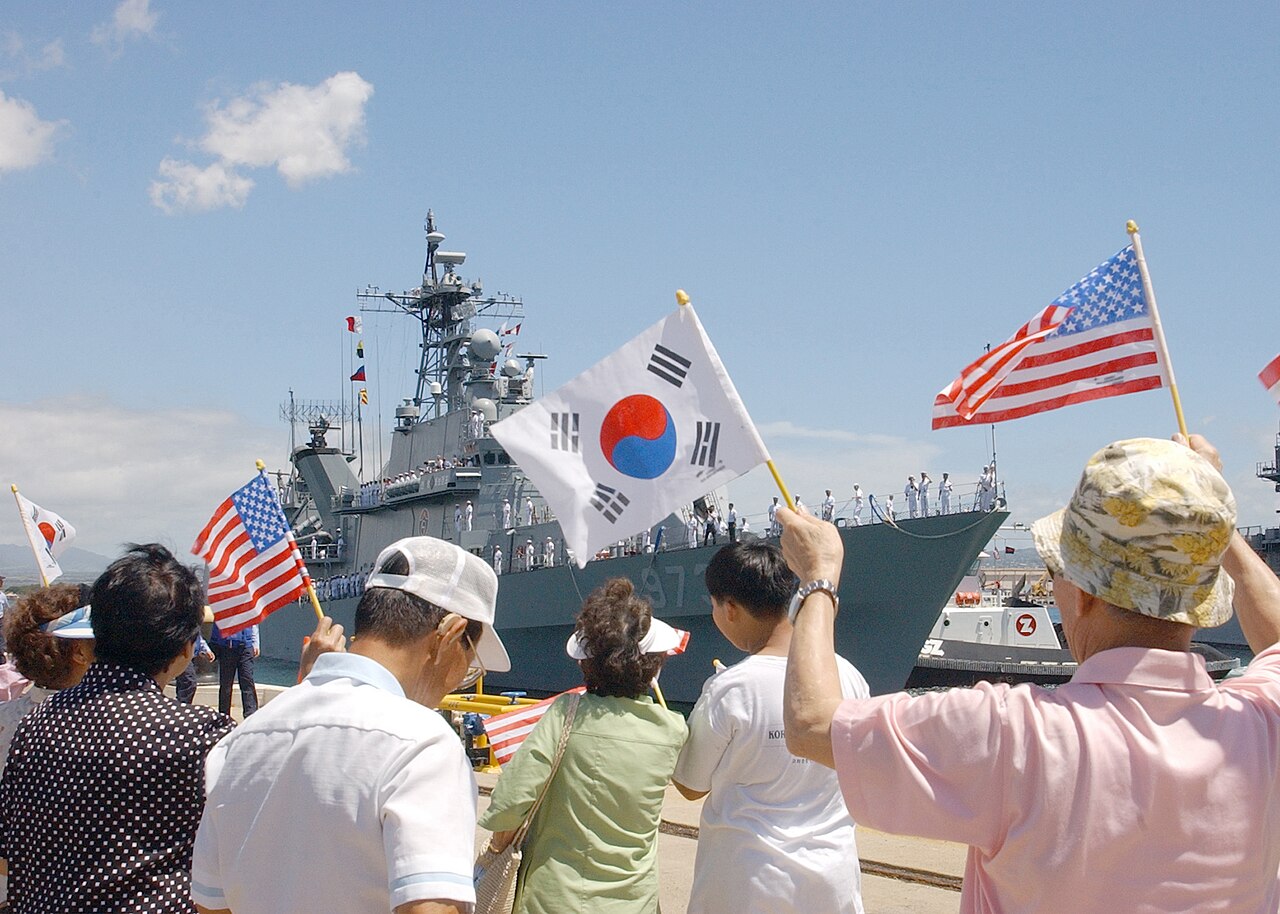
Leading defense and maritime policy analysts will assess what the U.S. shipbuilding and shipping industry needs to rebuild long-term industrial capacity and naval readiness, including in partnership with allies such as South Korea. Panelists will address the workforce, supply chain, regulatory, and strategic dimensions of U.S. shipbuilding revitalization amid intensifying competition with China.
Organized in cooperation between the Stimson Center, the Center for Maritime Strategy (CMS), and the Korea Economic Institute of America (KEI)
Schedule
| Time | Panel | |
| 3:30 p.m.–3:35 p.m. | Welcoming Remarks | Hyun-jung “Jessie” Je, KEI |
| 3:35 p.m.–3:40 p.m. | Opening Remarks | J. James Kim, Stimson Center |
| 3:40 p.m.–4:00 p.m. | Keynote Speech | Admiral James G. Foggo III, CMS |
| 4:00 p.m.– 4:55 p.m. | What U.S. Shipyards Need to Compete | Moderated Panel |
| 4:55 p.m.– 5:00 p.m. | Closing Commentary | J. James Kim, Stimson Center |
Featured Speakers
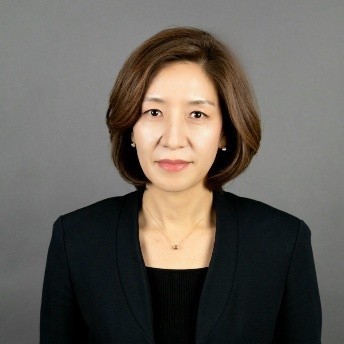
Hyun Jung “Jessie” Je, Senior Fellow and Director for External Engagement at the Korea Economic Institute (Welcome Remarks)
Je focuses on U.S. trade policy, industrial strategy, and Korea-U.S. economic relations. She previously served as Vice President at LG’s Washington Office, leading government affairs and trade policy engagement for LG affiliates in sectors including batteries and electronics. Prior to that, she worked at the Korea International Trade Association (KITA) for twenty-four years and served as Chief Representative of the KITA Washington office, where she advanced Korea-U.S. economic cooperation and provided policy analysis on U.S. legislative and regulatory developments. Earlier in her career, she worked at Korea’s Ministry of Foreign Affairs and Trade, contributing to trade negotiations and policy development, including FTAs. Dr. Je is an author of Public and Private Relationship in Trade Policy-making (World Scientific, 2018). She received a BA, an MA in Political Science and International Relations, and a PhD in International Studies from Seoul National University.
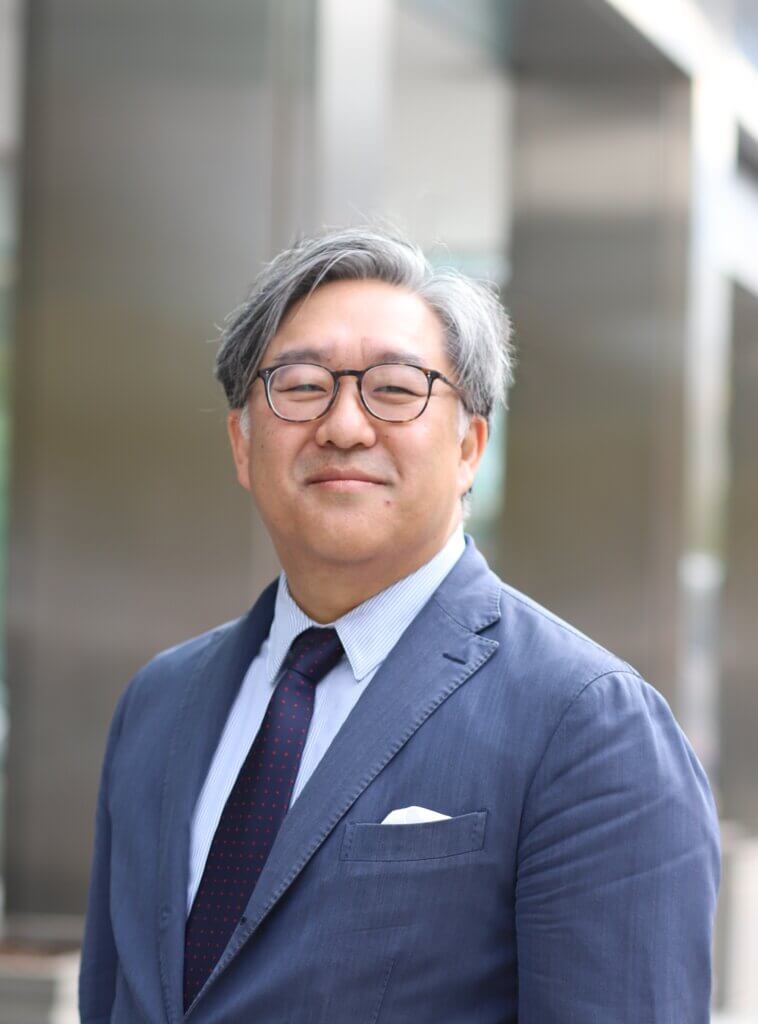
J. James Kim, Director of the Korea Program at the Stimson Center and a lecturer at Columbia University’s School of International and Public Affairs (EMPA) (Opening & Closing Remarks)
Kim previously served as Director of Public Opinion at the Korea Economic Institute of America (KEI) in Washington, DC, and spent over a decade at the Asan Institute for Policy Studies in Seoul and Washington, where he led the Regional Studies and Quantitative Methods programs. He has also held a number of academic appointments. Kim is a generalist on Korea with an interest in examining the intersection of political economy, foreign policy, East Asian security, and domestic politics. He has authored numerous reports and articles on these subjects. A Jacob K. Javits Fellow and Korea Foundation Scholar, he has participated and/or led several projects funded by the National Endowment for Democracy, the Japan Foundation, and the Bill and Melinda Gates Foundation, among others. Kim holds a Ph.D. in Political Science from Columbia University, and M.S. and B.S. (with Honors) degrees in Industrial and Labor Relations from Cornell University.
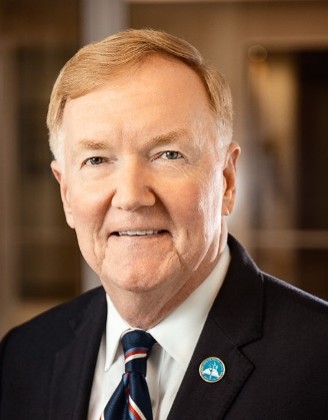
Admiral James G. Foggo, U.S. Navy (ret.), Dean of the Center for Maritime Strategy (Keynote)
Admiral Foggo is a 1981 graduate of the U.S. Naval Academy. ADM Foggo is also an Olmsted Scholar and Moreau Scholar, earning a Master of Public Administration at Harvard University and a Diplome d’Etudes Approfondies in Defense and Strategic Studies from the University of Strasbourg, France.
He commanded the attack submarine USS Oklahoma City (SSN 723) in 1998, which was awarded the Submarine Squadron 8 Battle Efficiency “E” award and the Admiral Arleigh Burke Fleet Trophy, for being the most improved ship in the Atlantic Fleet.
Following command of USS Oklahoma City, he would go on to command eight more times to include: Submarine Squadron 6 in Norfolk, Virginia; Submarine Group 8; Allied Submarines South; the U.S. 6th Fleet; Allied Striking and Support Forces NATO; Naval Forces Europe; Naval Forces Africa; and Allied Joint Forces Command (NATO), all headquartered in Naples, Italy.
During these command tours, he participated in combat operations as the Operations Officer for Joint Task Force Odyssey Dawn (Libya) in 2011 and Commander Naval Forces Europe for strike operations against Syrian chemical weapons sites in April 2018.
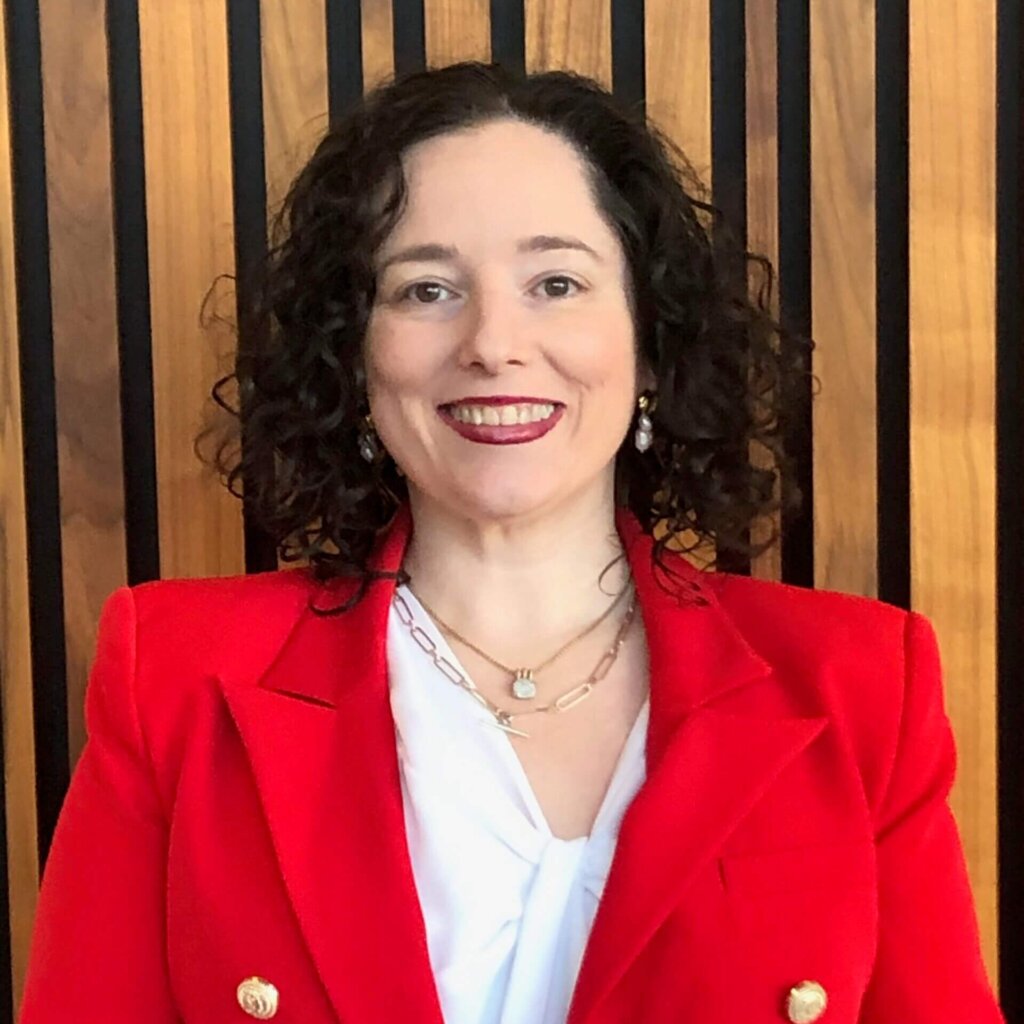
Kelly Grieco, Senior Fellow with the Reimagining US Grand Strategy Program at the Stimson Center (Panel Moderator)
Grieco’s work focuses on US foreign policy and defense policy, addressing questions about military strategy, force structure, military alliances, air operations, and the future of war. She has expertise in U.S. military alliances and the security architectures of the Indo-Pacific and Europe, as well as current and emerging airpower strategies and capabilities, including air denial and drone warfare. Her work has been published in Breaking Defense, Defense News, Foreign Affairs, Foreign Policy, International Politics, Lawfare, The Los Angeles Times, The New York Times, Parameters, Strategic Studies Quarterly, The Washington Quarterly, and War on the Rocks, among others. In 2024, she received the Christopher Coker Prize for best paper in the field of security studies for her co-authored article “Can Drones Coerce?” published in International Politics. Dr. Grieco received her PhD in Political Science from the Massachusetts Institute of Technology, where she was an affiliate of the Security Studies Program, and AB in Government from Dartmouth College.
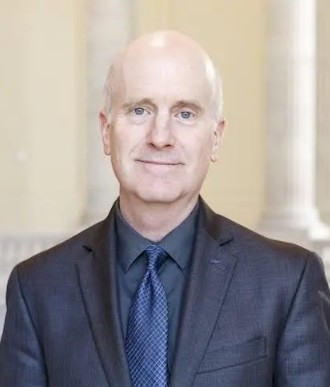
Ronald O’Rourke, Naval Analyst for the Congressional Research Service of the Library of Congress (Panelist)
O’Rourke has written numerous reports for Congress on various issues relating to the Navy. He regularly briefs Members of Congress and Congressional staffers, and has testified before Congressional committees on several occasions. In 1996, Mr. O’Rourke received a Distinguished Service Award from the Library of Congress for his service to Congress on naval issues. Mr. O’Rourke is the author of several journal articles on naval issues, and is a past winner of the U.S. Naval Institute’s Arleigh Burke essay contest. He has given presentations on Navy-related issues to a variety of audiences in government, industry, and academia.
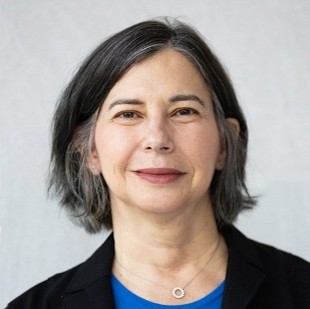
Cynthia R. Cook, senior fellow in the Defense and Security Department at the Center for Strategic and International Studies (CSIS) (Panelist)
Cook is widely published on defense acquisition policy and organization, the defense industrial base, new technology development, and weapon systems production and sustainment. Dr. Cook is a member of the editorial board for the Defense Acquisition Research Journal and is an adjunct professor at the Pardee RAND Graduate School. From 1997 to 2021, Dr. Cook worked as a senior management scientist at RAND, where she served as the director of the Acquisition and Technology Policy Center and managed a wide range of studies for components across the U.S. Department of Defense, along with the Australian Department of Defense and the UK Ministry of Defense. Previously, Dr. Cook was a research specialist at the Massachusetts Institute of Technology, working on the Lean Aerospace Initiative. Before her graduate studies, Dr. Cook worked in New York as an investment banker, specializing in high-yield finance. She holds a PhD in sociology from Harvard University and a BS in management from the Wharton School of the University of Pennsylvania.

Brent Sadler, Senior Research Fellow for the Heritage Foundation (Panelist)
Sadler joined The Heritage Foundation after a 26-year Navy career that included operational tours on nuclear-powered submarines, service on the personal staffs of senior Defense Department leaders, and diplomatic assignments in Asia. As a Senior Research Fellow, he focuses on maritime security and the technologies shaping future naval forces, especially the U.S. Navy. A 1994 honors graduate of the U.S. Naval Academy with a degree in Systems Engineering (robotics) and a minor in Japanese, he later served as a 2004 Olmsted Scholar in Tokyo and earned graduate degrees from Jochi University and the National War College, where he graduated with distinction. Throughout his career, he established the Navy Asia Pacific Advisory Group, helped develop the Defense Department’s Third Offset, and held key Pacific Command roles advancing ASEAN maritime domain awareness, the Maritime Security Initiative, U.S.–Japan defense guideline revisions, and the Indo-Pacific rebalance. He later served as Senior Defense Official and Defense and Naval Attaché in Malaysia, where he helped coordinate the response to the USS McCain collision, expanded U.S. military access and cooperation, and managed relations during Malaysia’s 2018 political transition. His final Navy assignment was in the China Branch of the Navy Staff at the Pentagon.