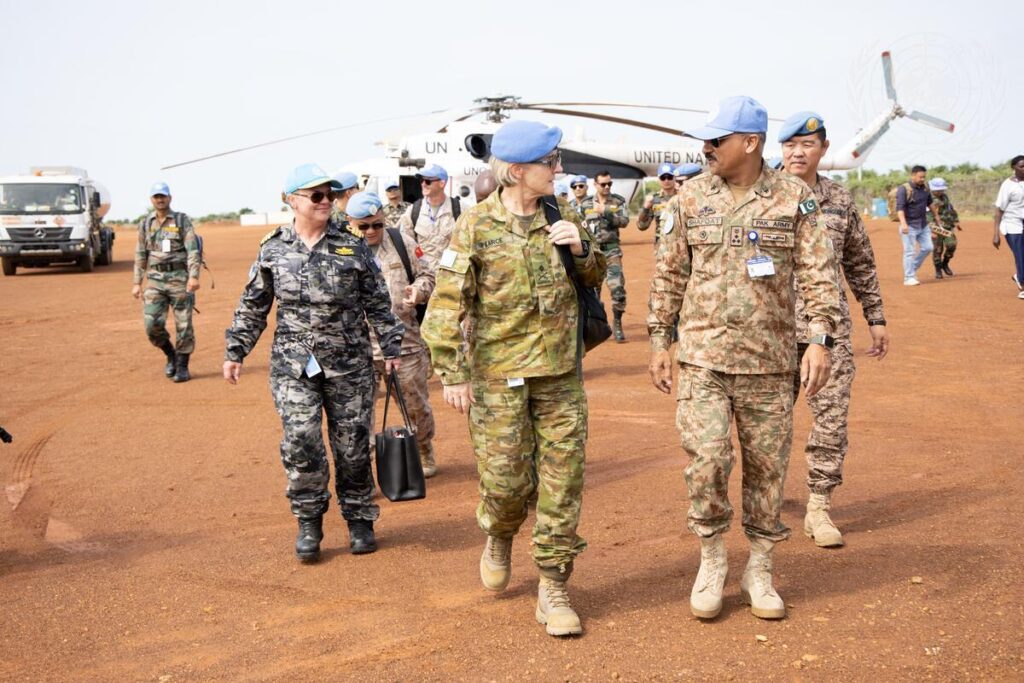
United Nations peacekeeping operations have played a vital role in protecting children in conflict settings for over two decades. Yet, state and non-state armed actors continue to demonstrate disregard for children’s protected status under international law, and violence against children continues to surge to unmatched levels. For peacekeepers, the scale and escalation of threats against children continue to outpace capacity to respond and engage in remedial or preventive efforts, especially as cuts to funding impact the ability of UN missions to track and verify violations. Gaps remain in troop- and police-contributing countries’ (T/PCCs) preparedness for advancing child protection in peacekeeping, in areas such as training, early warning, monitoring and reporting, and supporting child-responsive disarmament, demobilization and reintegration processes.
Amidst these challenges, the Vancouver Principles on Peacekeeping and the Prevention of the Recruitment and Use of Child Soldiers provide a practical framework for UN member states, including T/PCCs, to advance the protection of children in conflict settings. Endorsed by over 100 countries, including 15 from Latin America and the Caribbean, the Vancouver Principles outline 17 areas for member states to champion and translate into action when addressing the recruitment and use of children in peacekeeping contexts.
This regional dialogue series on implementing the Vancouver Principles—led by Stimson’s Protecting Civilians and Human Security and Conventional Defense Programs—promotes enhanced understanding of the comparative advantages and challenges facing T/PCCs as part of the project on Advancing Child Protection Through Peacekeeping.
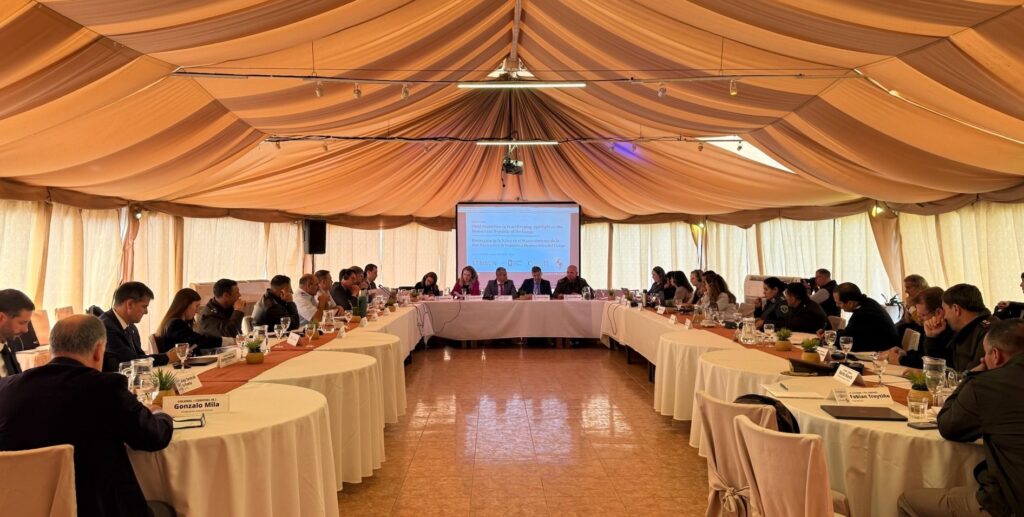
Left: Discussions were hosted at the Uruguayan’s Army’s Campo Deportivo and examined national perspectives of the Vancouver Principles and specific country contexts. Credit: Stimson Center.
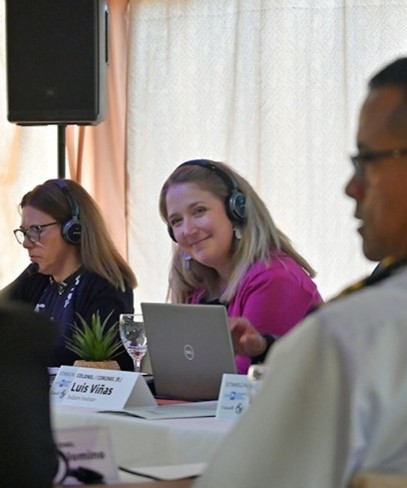
Right: Lisa Sharland, Senior Fellow and Director of Stimson’s Protecting Civilians and Human Security Program, listens to participants’ reflections. Credit: SINOMAPA.
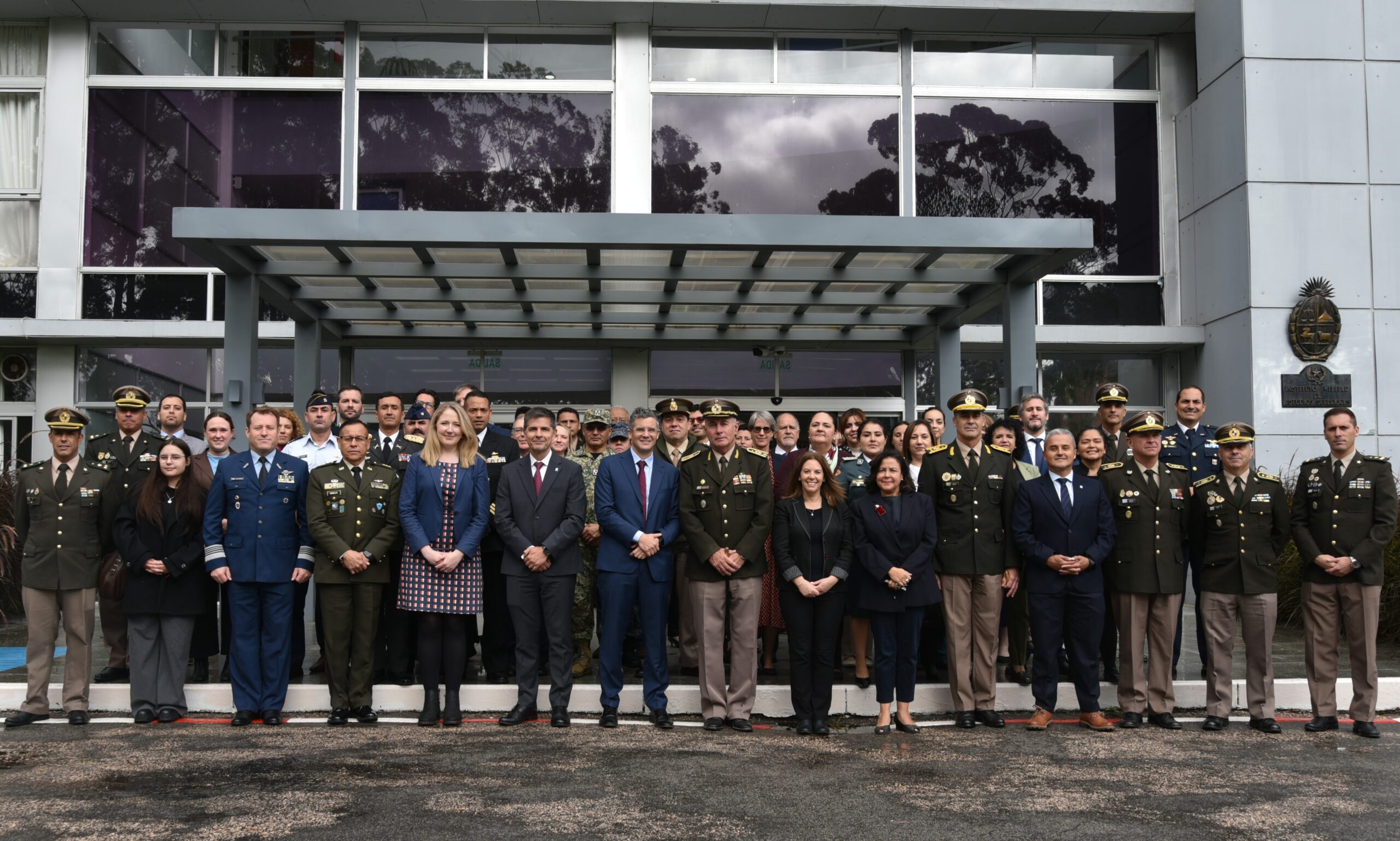
Uruguay is the largest contributor to UN peacekeeping in Latin America, making it a natural location to convene discussions with Latin American T/PCCs. Over the course of two days in Montevideo, participants examined the risk factors leading to grave violations against children, debated approaches on strengthening domestic capacities and training, and highlighted successful approaches of child soldier rehabilitation and reintegration.
The event featured high-level remarks from General Tabaré Cardozo, Director, Uruguay’s National Support System for Peacekeeping Operations (SINOMAPA); Ambassador Martín Vidal, Director General for Political Affairs, Ministry of Foreign Relations, Uruguay; H.E. Ambassador Carmen Sorger, Ambassador of Canada to Uruguay; Colonel (R.) Luis Viñas, Director, Latin American Centre of Excellence (LACOE), Dallaire Institute for Children, Peace and Security; and Rachel Stohl, Senior Vice President of Research Programs and Director of the Conventional Defense Program, Stimson Center. Over 50 workshop participants took part, representing regional governments, deployed forces, UN entities, regional organizations, peacekeeping training centers, and research institutions.
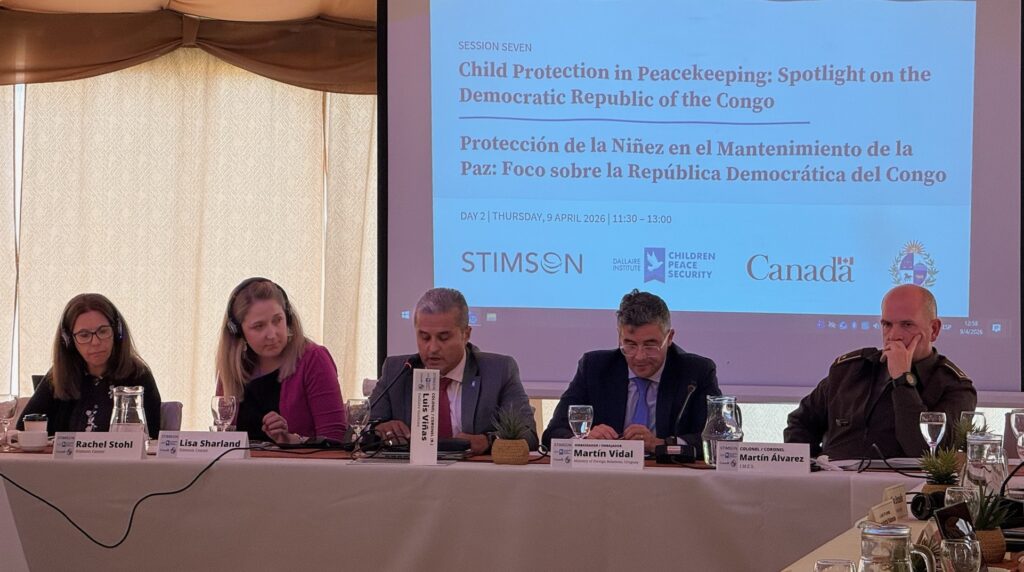
From left to right: Rachel Stohl, Lisa Sharland, Colonel (R.) Luis Viñas, Ambassador Martín Vidal, and Colonel Martín Álvarez (Director General of I.M.E.S.) discuss child protection in the Democratic Republic of the Congo. The dialogue featured simultaneous interpretation in both English and Spanish. Credit: Stimson Center
All dialogues in the series are held under the Chatham House rule of non-attribution to encourage a robust exchange. A non-attributable summary of the sessions in Uruguay, in addition to a cumulative report examining findings from the project’s three regional dialogues, will be published by the Stimson Center.

This workshop was hosted in partnership with the Dallaire Institute for Children, Peace and Security and Uruguay’s Ministry of Foreign Relations and made possible by generous support from Global Affairs Canada.