Southeast Asia

Security sector reform develops effective and accountable security institutions based on international norms of transparency, accountability, and the rule of law. Stimson experts provide recommendations to strengthen critical security institutions to help ensure the security of a state and its population.
David Michel is a Nonresident Fellow of the Environmental Security program. His work explores emerging governance challenges and security risks posed by global environmental change.
Amit A. Pandya’s research interests include global migration, developments and prospects in maritime commerce, and social and economic trends in the Arab world and South Asia. His professional work consists of international law and consulting, principally on international labor and on migration

Southeast Asia is increasingly a driver of economic growth that has become central in the U.S. rebalance to Asia. Stimson’s Southeast Asia program seeks to examine the most pressing challenges facing the region today. The main focus of our research is development in the Greater Mekong Subregion, particularly hydroelectric power projects and their impacts on the food-water-security nexus and regional stability. We also regularly address trade, economic, and political issues involving the Association of Southeast Asian Nations (ASEAN) and member states; U.S.-ASEAN relations and policy issues; and maritime security issues in the South China Sea, particularly territorial disputes and fishery management.
The Southeast Asia program examines both traditional and non-conventional security issues from a political economy perspective, recognizing challenges and identifying feasible avenues for cooperation. Through the Mekong Policy Project this takes the form of examining hydropower development from a basin-wide perspective, including equal focus on the environment, development, and human needs in our recommendations. For security issues in the South China Sea, we take into account the complex historical and legal factors in the disputes while identifying feasible ways to manage the disputes through joint development and international institutions. For other issues, we combine a political economy perspective with cross-sector analysis to analyze challenges and opportunities for the Association of Southeast Asian Nations (ASEAN), ASEAN member countries, and the growing U.S.-ASEAN relationship.
The Southeast Asia program focuses on identifying feasible alternatives for cooperation on both conventional and non-conventional security issues, ranging from tensions over water resource development in the Mekong River Basin to confrontations taking place in the South China Sea to trade issues among ASEAN.
For the Mekong River Basin, Stimson studies, formulates, and recommends potential alternatives to the current commercially-driven development model: examples include a regional “Mekong Standard” to establish maximum acceptable impacts from any given project and expansion of electricity grids in a way that supports optimization of sustainability on a regional basis.
Only the countries involved can put to rest disputes in the South China Sea—but the Stimson Center supports avenues for managing the dispute. These include support for established norms of behavior and the rule of law, negotiations on cooperative development, and U.S. and allied cooperation with Southeast Asian claimants to enhance maritime surveillance and security.

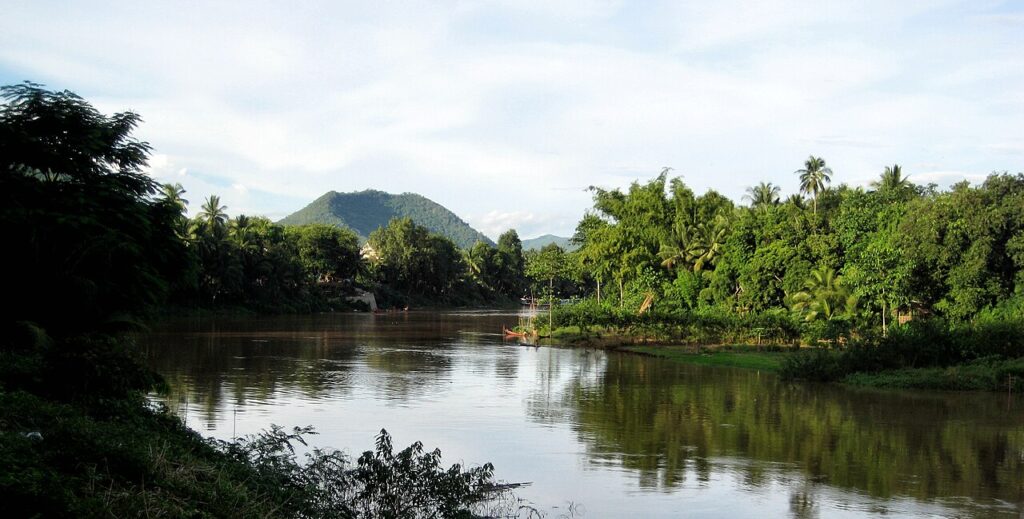
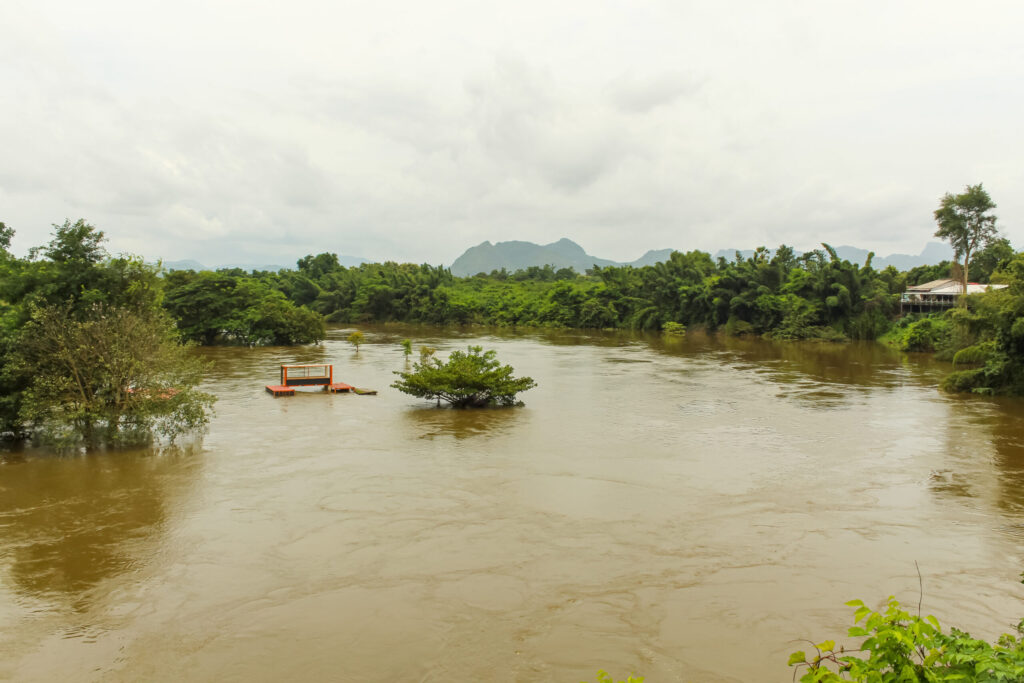
As a biodiversity hotspot that is home to more than 60 million people, the Lower Mekong River Basin plays a vital role as the region’s “rice bowl”, the world’s largest freshwater fishery and provider of livelihoods. Stimson interacts with a wide range of local and international NGOs, government departments, and academic institutions in addressing the Mekong’s regional role.