
Introduction
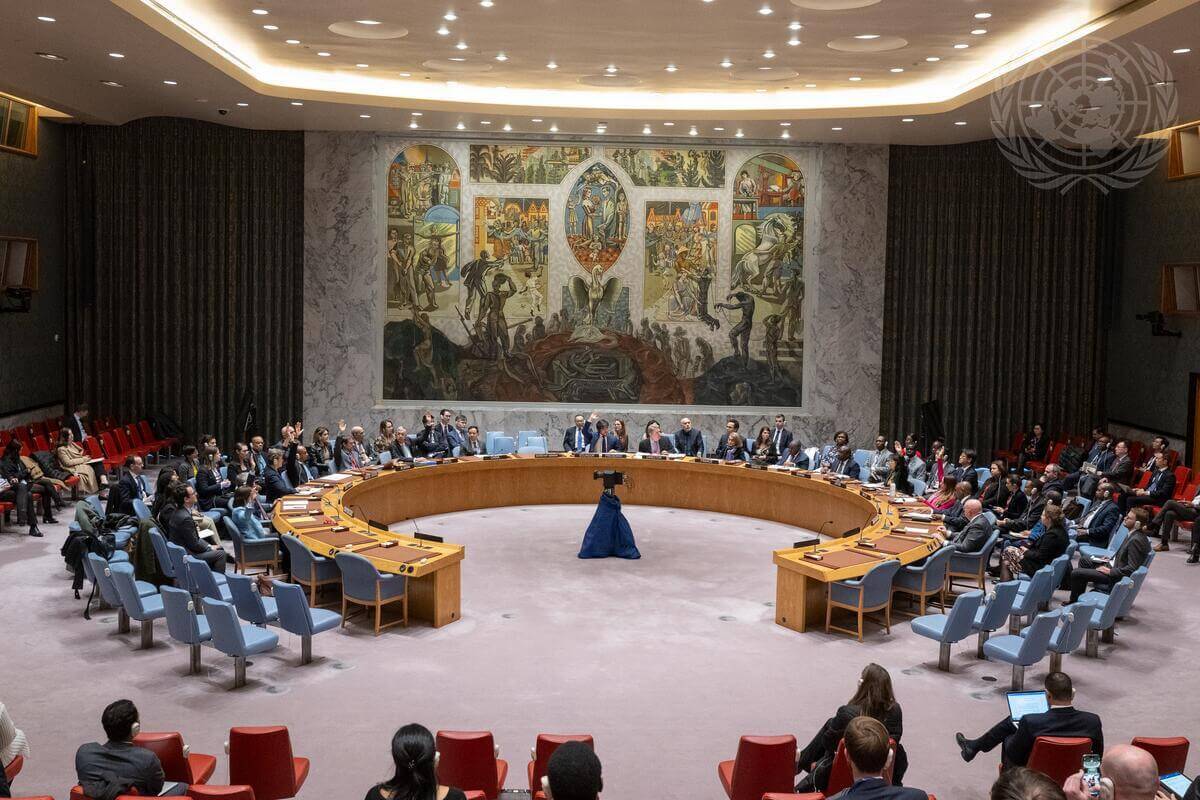
In December 2023, the UN Security Council adopted Resolution 2719, establishing a framework that allows for up to 75 percent of the financing for African Union (AU)–led peace support operations to be covered by UN assessed contributions on a case-by-case basis.1Note: UN Security Council Resolution 2719 (December 21, 2023), UN Doc. S/RES/2719. Following the resolution’s adoption, the UN Secretariat and the AU Commission took several steps to advance its implementation, including the development of a joint roadmap and the creation of thematic workstreams.
Despite this momentum, nearly two years later, the Security Council has yet to authorize an AU-led peace support operation that could mobilize funding under Resolution 2719. Efforts to apply the framework in support of the African Union Support and Stabilization Mission in Somalia (AUSSOM) failed to achieve consensus due to objections from the US.2Note: UN Security Council, 9828th Meeting, UN Doc. S/PV.9828, December 27, 2024.
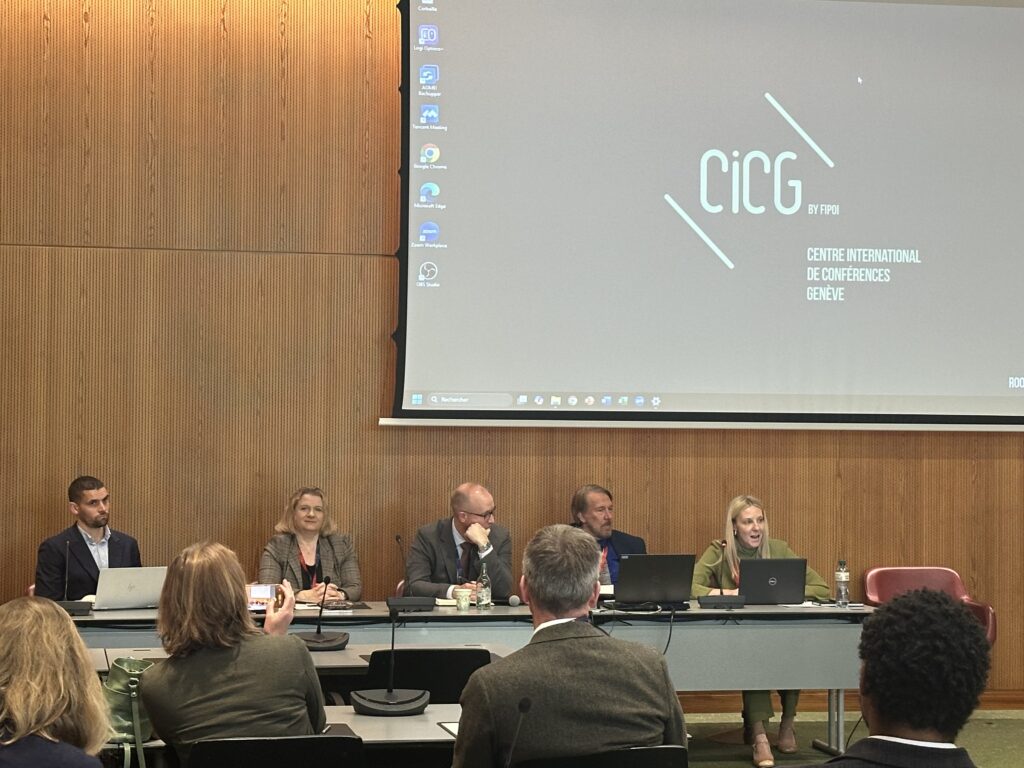
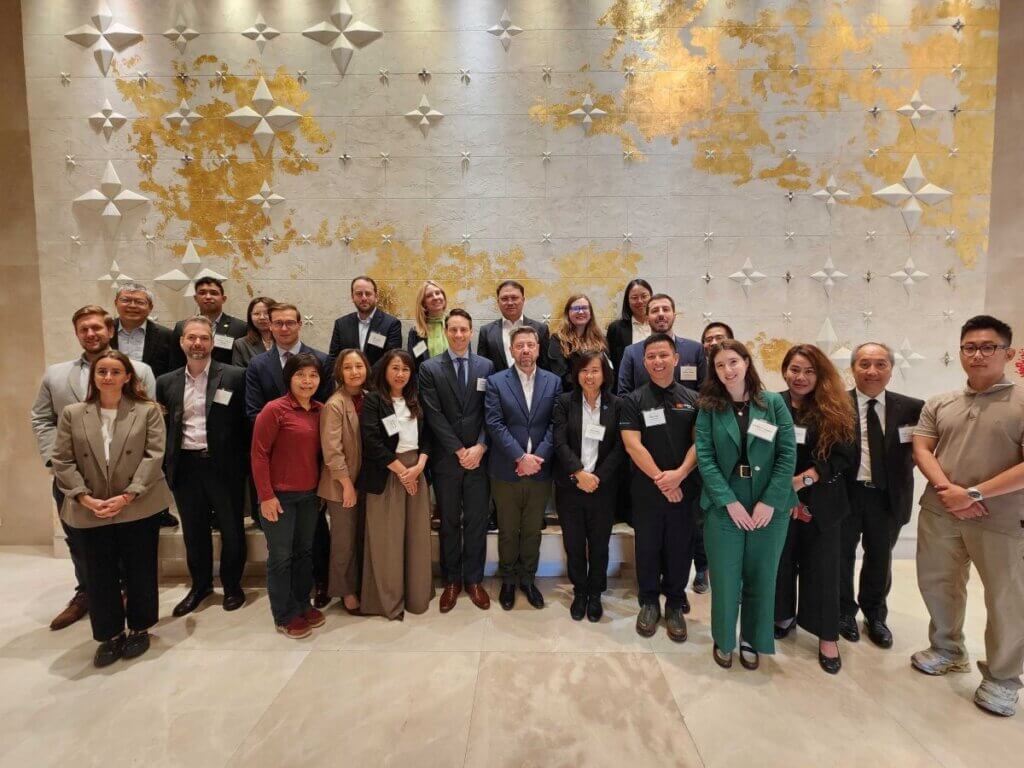
In this context, on September 10, 2025, IPI, the Stimson Center, and Security Council Report co-hosted a workshop on partnership in peace operations. Focusing on the implementation of Resolution 2719, the discussion offered participants an opportunity to take stock of progress, examine persisting challenges, and reflect on the future of the resolution.
Participants reaffirmed the importance of Resolution 2719 and acknowledged the extensive consultative and political efforts that led to its adoption, emphasizing its potential to transform the UN–AU partnership. However, ongoing pressures on the peacekeeping budget and the broader UN reform agenda have introduced additional challenges, casting uncertainty on how the resolution will be operationalized. Implementation will depend on sustaining political momentum behind the resolution and maintaining broad support across member states, financial contributors, and both organizations. Participants underscored that successful implementation will depend on the resolution’s flexible application, allowing for the use of different operational models suited to specific contexts. Ensuring such adaptability will be essential for translating the resolution’s principles into effective, context-responsive action on the ground.
Progress on Operationalizing Resolution 2719
Since the adoption of Resolution 2719, two main processes have emerged to advance its implementation. The first involves a series of joint technical measures by the AU Commission and UN Secretariat to strengthen institutional and operational readiness and establish the foundations for applying the resolution. The second concerns attempts to apply the framework to Somalia in support of AUSSOM.
Operational and Institutional Readiness
On the technical track, the UN Secretariat and AU Commission developed an implementation roadmap structured around four workstreams: joint planning, decision-making, and reporting; mission support; financing and budgeting; and compliance and protection of civilians. The roadmap was endorsed by the UN secretary-general and AU Commission chairperson in October 2024. Participants noted recent progress by the taskforce, particularly in developing joint planning and mission support guidelines.
While acknowledging this progress, participants noted that further attention is needed on certain areas, including the implementation of mission mandates. Although any operation established under Resolution 2719 would remain AU-led, the AU and UN would need to have a shared understanding of how a mission mandated by the AU Peace and Security Council and authorized by the UN Security Council would be operationalized. Given that each organization has its own procedures, planning cultures, and capacities, implementation would require close and continuous collaboration, guided by existing joint planning frameworks, to enhance coherence and ensure a common understanding of processes and operational modalities.
Although Resolution 2719 prioritizes the UN support office model, participants underscored that implementation should not be limited to this approach. Broader discussions on alternative financing arrangements are needed to encourage flexibility and sustainability. Regarding burden-sharing, the 25 percent funding gap remains a persistent area of disagreement among some of the stakeholders. While the issue is unlikely to be resolved to the full satisfaction of those seeking 100 percent financing, participants nevertheless agreed that a joint UN–AU financial mobilization strategy will be necessary to fill the gap.3Note: Resolution 2719 provides that the remaining 25 percent is to be mobilized by the AU and UN from the international community as extrabudgetary resources while also committing to consider all viable options in the event of significant shortfalls in resource mobilization.
On compliance and accountability, work to date has focused on contextualizing the UN Human Rights Due Diligence Policy (HRDDP) within the 2719 framework, integrating policies and guidelines to mainstream the protection of civilians, and developing a new conduct-and-discipline mechanism to reinforce accountability structures.
Proposed First Case: AUSSOM
In tandem with operationalization efforts, a separate track has focused on applying Resolution 2719 to the AUSSOM. This process was catalyzed by a joint request from the UN secretary-general and the AU Commission chairperson in November 2024, following a request from the AU Peace and Security Council in June. The resulting joint UN–AU report recommended the “hybrid” implementation of Resolution 2719 with streamlined responsibilities between the AU and the UN.4Note: UN Security Council, Letter Dated 20 December 2024 from the Secretary-General Addressed to the President of the Security Council, UN Doc. S/2024/953, December 23, 2024. This hybrid model would involve applying the 2719 framework to the AUSSOM budget, with 75 percent financed through UN assessed contributions (mainly troop reimbursements) and the remaining 25 percent mobilized jointly by the AU and the UN. AUSSOM would also continue receiving support from the UN Support Office for Somalia (UNSOS), which is fully funded through UN assessed contributions.
Despite the AU’s strong support for the hybrid approach, the US objected, arguing that the proposed model would result in nearly 90 percent of AUSSOM’s funding coming from UN assessed contributions, when factoring in UNSOS. It further stressed that Resolution 2719 should be applied to logistical support and personnel under a “one mission, one budget” model.5Note: US Mission to the UN, “Explanation of Vote Following the Adoption of a UN Security Council Resolution Renewing the Mandate of AUSSOM,” December 27, 2024, available at https://usun.usmission.gov/explanation-of-vote-following-the-adoption-of-a-un-security-council-resolution-renewing-the-mandate-of-aussom/. The US consequently abstained from the Security Council vote mandating AUSSOM in December 2024. In May 2025, the president of the Security Council issued a letter noting that consensus was not reached on applying Resolution 2719 to AUSSOM.6Note: UN Security Council, Letter Dated 23 May 2025 from the President of the Security Council Addressed to the Secretary-General, UN Doc. S/2025/322, May 23, 2025. This decision contributed to growing disillusionment in Addis Ababa regarding the practical value of the resolution.
Nevertheless, several participants underscored that the resolution’s significance extends beyond any single mission, serving as a political compact that reaffirms the strategic importance of the UN–AU partnership. Some also cautioned that implementing Resolution 2719 in Somalia, particularly under the proposed hybrid model, could have set a difficult precedent. This is because both AUSSOM and UNSOS would have seen budget cuts as part of the compromise reached to secure financial support through Resolution 2719, undermining the resolution’s goal of providing a flexible and enabling framework for AU-led peace operations. While some participants warned against applying Resolution 2719 in complex, long-running missions such as the AU mission in Somalia, others contended that perfect conditions are unlikely and the resolution’s true value can only be demonstrated through practical application.
Considerations for the Future Operationalization of Resolution 2719
While participants had widely differing outlooks on the future implementation of Resolution 2719, several shared specific technical, financial, and political challenges and opportunities, including lessons from the attempt to use the resolution to fund AUSSOM.
Technical Dimensions
Participants differed in their assessment of readiness for the implementation of Resolution 2719, including whether the UN Secretariat and the AU Commission are institutionally prepared to act on Security Council decisions under Resolution 2719. While some emphasized the roadmap’s completion, others highlighted that it represents a “living document” that should remain flexible enough to respond to a variety of demands and reiterated that the roadmap is not a prerequisite for implementing the resolution.
Some participants also highlighted challenges related to communication among the actors involved in the implementation of the resolution, including members of both councils, the UN Secretariat, and the AU Commission. They underscored the importance of “enhancing socialization” and “harmonizing” communication to allow both secretariats to better address member states’ concerns, reach a common understanding of perceived threats to international peace and security, and develop coherent responses.
Some participants noted the importance of closer engagement with the US, especially in light of its objection to the application of Resolution 2719 to AUSSOM. Drawing on lessons from those negotiations, some participants also underscored the need for greater coherence among the UN departments involved in advancing the implementation of Resolution 2719. Several participants urged enhanced communication among the three African members of the UN Security Council (A3) to maintain a unified voice on Resolution 2719. Given the annual changes to the A3’s configuration, sustained political engagement from the AU Commission and AU Peace and Security Council is essential, including through timely guidance and messaging. The annual AU–UN consultative meeting could also facilitate coordination between the two councils.
Financial Concerns
Participants also discussed the financial considerations of operationalizing Resolution 2719. Financial concerns were a major reason the Security Council failed to authorize UN funding for AUSSOM when the US expressed its opposition to the hybrid model. Some participants highlighted the potential difficulty of operationalizing the resolution due to uncertainties over how the remaining 25 percent will be mobilized. However, others pointed to the possibility of applying the resolution to “flexible” and “nimble” missions that are less costly than missions like AUSSOM.7Note: What about: However, the budget for AUSSOM (estimated at between $166.5 and $190.2 million) is less than that of most UN peacekeeping operations, including UNSOS ($499.8 million). UN Security Council, Letter Dated 8 May 2025 from the Secretary General, Addressed to the President of the Council, UN Doc. S/2025/295, May 8, 2025. “Leaner” non-UN missions—deployed through collaboration between the UN, the AU, and subregional organizations—may also prove preferable in the context of the UN80 Initiative and efforts to make better use of limited UN resources.
Modalities
Participants discussed the operational modalities for implementing Resolution 2719. One participant highlighted the importance of “contextual diversity” in determining next steps, noting that the resolution could be applied across a range of mission types, including enforcement, hybrid, stabilization, and political missions—each offering “adaptive potential across the peace continuum.” For example, participants noted that the AU has extensive experience in mandating missions with peacebuilding and political objectives, which may provide more feasible and widely supported opportunities for applying the resolution.
Participants also discussed specific regions, including the potential application of Resolution 2719 in West Africa and the Sahel. The discussion highlighted the ongoing challenges in the region, including the continued spread of terrorism and the limited effectiveness of various ad hoc coalitions in containing it. Resolution 2719 was also discussed in the context of West Africa and the Sahel at an informal interactive dialogue at the Security Council in July focused on partnership and coordination with subregional organizations on counterterrorism efforts.8Note: Security Council Report, “Informal Interactive Dialogue on Enhancing Regional Counter-Terrorism Cooperation in West Africa and the Sahel,” July 14, 2025.
Conclusion
The workshop highlighted that, despite the technical groundwork laid to advance its implementation, Resolution 2719 remains inherently a political decision. Participants acknowledged that the geopolitical landscape has shifted considerably since the resolution’s adoption, leading to a loss of momentum and weakened consensus.
At the same time, they cautioned that in today’s environment—marked by the erosion of support for multilateralism—a void left by the UN or AU’s retrenchment on peacekeeping could be filled by other actors that may not adhere to the same safeguards or uphold the same standards of accountability envisioned under Resolution 2719. Failing to operationalize this framework risks ceding space to less accountable security partnerships that do not reflect shared principles.
Fully realizing the potential of Resolution 2719 will require broader engagement and sustained commitment from member states, including efforts to bridge differing positions among African countries and other UN member states regarding its application.
The secretary-general’s second report on the implementation of the resolution, expected to be submitted to the Security Council in December, will offer an opportunity to assess the progress made and challenges encountered. It could also help reposition the resolution in light of the evolving political and operational realities since its adoption two years ago.



Current Geopolitics Shift Deep-Sea Mining Debates