
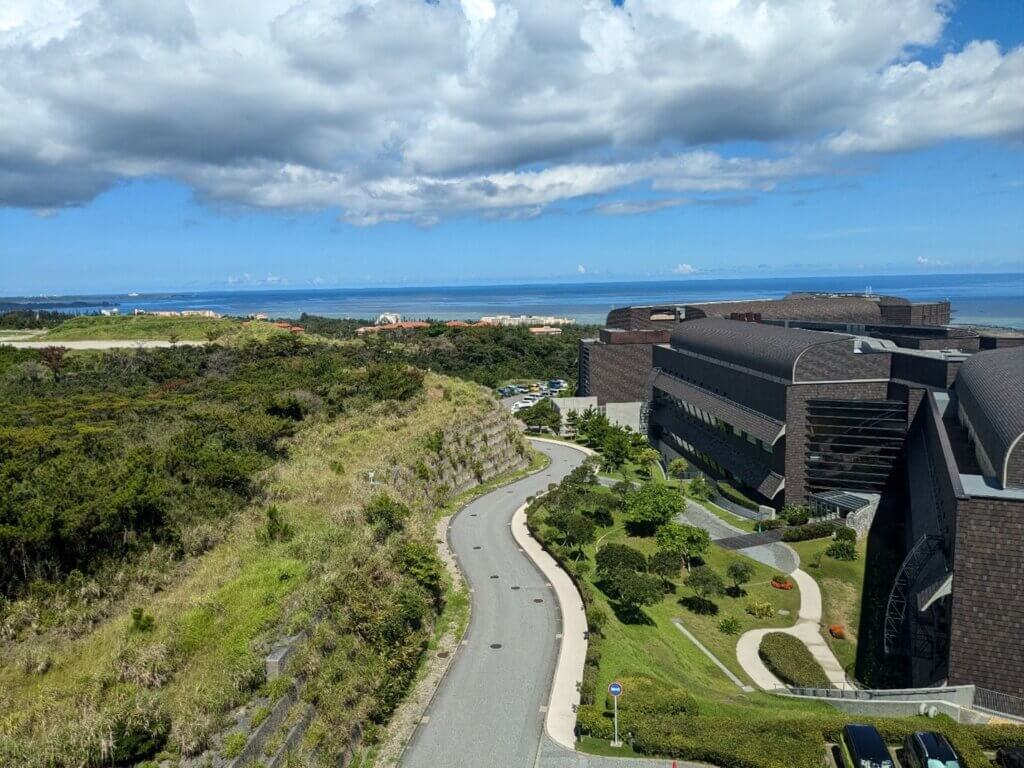
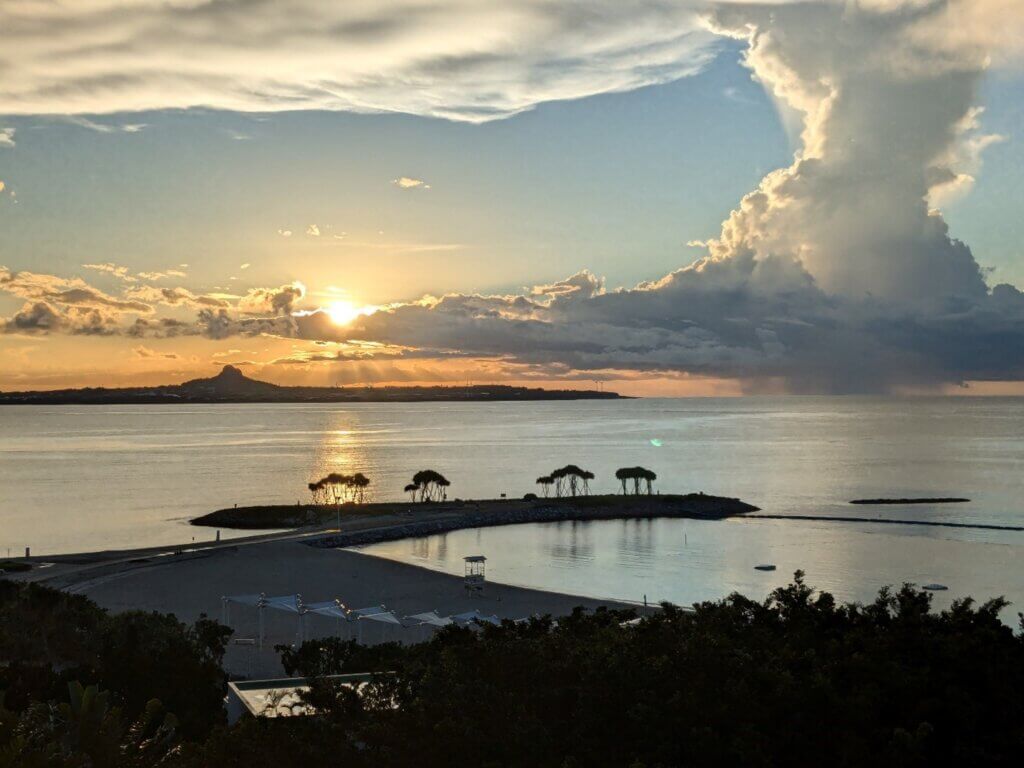
On July 18 and 19, the Maureen and Mike Mansfield Foundation brought together experts from China, Japan, and the United States for a two-day forum at the Okinawa Institute of Science and Technology (OIST). OIST is an innovative research institution that connects faculty and students from all over the world. Its beautiful campus overlooking the Pacific Ocean and Okinawa’s corals played perfect host to a discussion of the impacts of coastal flooding, land loss, and damage to coral reef ecosystems. Beyond simply describing the serious threats posed by climate change to coastal areas, the forum participants explored how their three countries can pursue a collaborative approach to building coastal climate resilience throughout the Pacific region.
To frame our discussion, which was held under Chatham House Rules, the forum participants began by laying out the urgency and severity of climate impacts. Global land and ocean temperatures have shattered records for months on end. Fifteen climate disasters with losses over $1 billion have hit the United States in the first half of 2024. In China, torrential flooding followed extreme heat and drought, displacing hundreds of thousands of people. The most extensive global coral reef bleaching event in history has impacted more than 70 percent of corals and if global warming reaches 2°C, the world will lose 99 percent of its reefs. As our CORVI assessments have highlighted, these impacts will have far-reaching effects on the economic and food security of coastal communities throughout the Pacific. Yet too often economic policymaking is separate from the management of these vital ecosystems, with the result that unmanaged development and inadequate waste management compound the threats posed by climate change. And for the people living on small, low-lying islands scattered across the Pacific, rising seas pose a truly existential and genuinely urgent threat. Countries like Tuvalu and Kiribati have a maximum elevation of less than 5 meters and are threatened by permanent inundation that could be the end of their countries and cultures.
To protect coastal cities and communities against the flooding, the storm surge, the sea level rise, and the loss of coral reefs, we discussed some of the innovative solutions that are being implemented across the Pacific. Living seawalls help protect coastlines in Hong Kong and Sydney, Australia while providing habitat to support marine biodiversity. Archireef has created 3D-printed tiles to restore coral reefs in Hong Kong more effectively and more cheaply than traditional techniques and has recently expanded to Abu Dhabi. Sponge cities, developed by a landscape architect in Beijing, promise to revolutionize the relationship between cities and the increasingly intense rainfall they face. By embracing nature-based solutions like wetlands, terraces, and ponds to an unprecedented degree, sponge cities aim to absorb 70 percent of rainfall locally rather than letting it inundate streets, businesses, and houses.
This type of innovation is encouraging, but the group sobered as the discussion turned to the chilling effect that geopolitical competition has had on effective climate action. In the past, technical cooperation on climate change has been a rare bright spot in China-US relations. But recent American and European sanctions on imports of solar panels and electric cars from China show that this may not last. The group noted that both the United States and China have taken actions that have raised tensions, including China’s restriction of the export of rare earths to Japan in 2010. Rising tensions put adaptation in serious jeopardy.
Finally, the discussion turned to the question of how to fund these solutions. We explored the promise of some relatively small-scale approaches. Archireef has unlocked funding from the private sector to help them satisfy their obligations under the Taskforce on Nature-related Financial Disclosures, but participants struggled to identify examples of mobilizing private finance for climate adaptation at scale. Somewhat similarly, the Japan Bank for International Cooperation signed a memorandum of understanding with the China Development Bank in 2017 to invest in climate adaptation, but struggled to find bankable projects to invest in. If such projects could be identified, however, this type of cooperation – along with cooperation with the US Development Finance Corporation – could both build climate adaptation and ease tensions. Broader reforms of the international financial system, such as the Bridgetown Initiative, were also discussed. Much of the group, however, remained skeptical of these types of reforms receiving support from the major global powers.
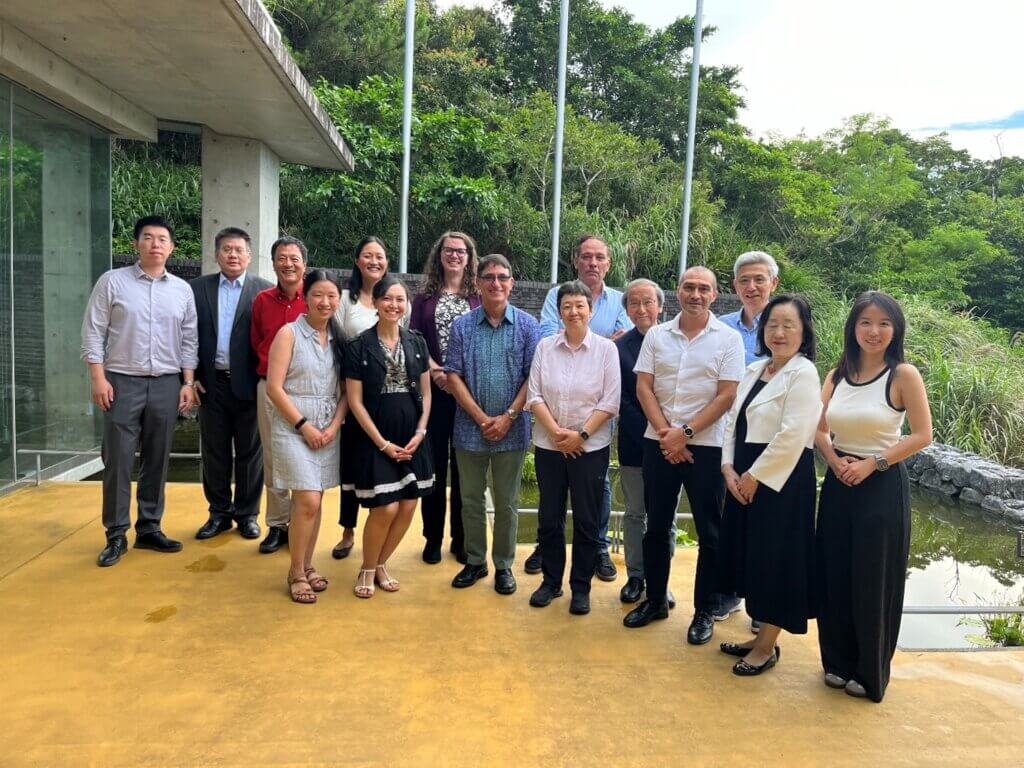
The forum took place in an evolving international context alongside the changing climactic one. The United States has elections in November of this year and Japan will hold elections by October 31, 2025. China is just two years removed from its most widespread protests since the Tiananmen Square demonstrations in 1989. Time and again, records will be broken as temperatures climb, oceans rise, and storms intensify. Building resilience against these threats even as the ground shifts under our feet will require creative approaches. Such approaches must in turn be built on more and different kinds of collaborations that break down institutional silos. The Mansfield Forum represents an important example of this work. So too is Stimson’s CORVI project by bringing together government, private sector, civil society, and academia to assess how climate change will affect environmental, economic, social, and political systems and develop actionable and innovative solutions.



Community Adaptation for a Water Festival Without Clean Water