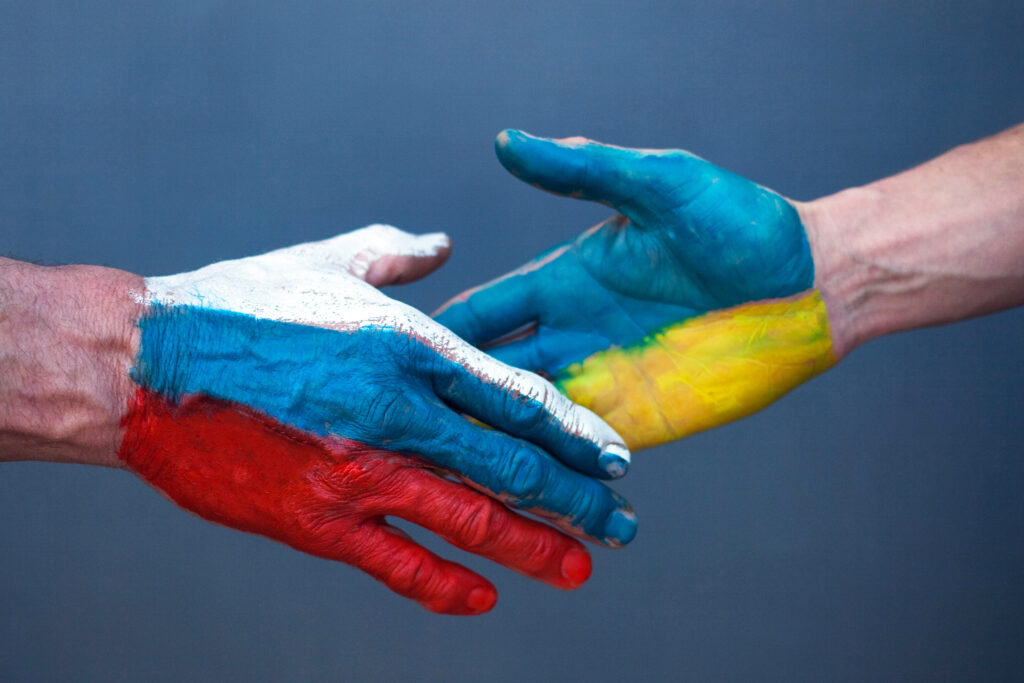
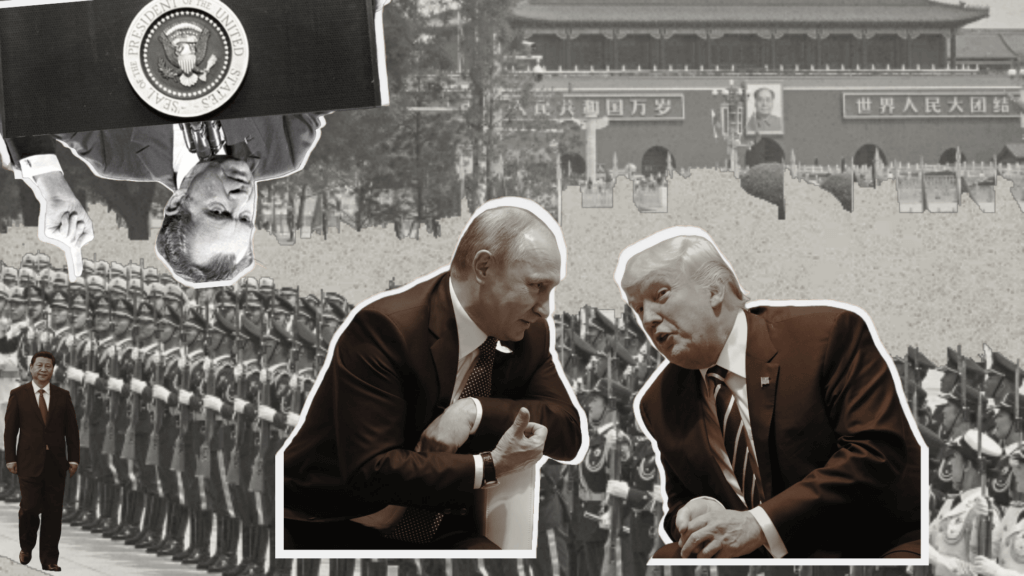
Ongoing tensions between Russia and the United States and its allies pose a major challenge to global peace and security. The lack of communication between the U.S. and Russia increases the risk of an unintentional armed conflict and hampers the resolution of important international security issues where Russia’s constructive engagement is essential. Amid the transition to a more multipolar world, bridging this ever-widening divide remains a critical task.
The Russia program provides a non-partisan platform for non-governmental dialogue between American and Russian experts and retired military leaders with the aim of overcoming strategic divides and addressing issues of common concern. This program was founded during the Cold War at the EastWest Institute (EWI) and relaunched at the Stimson Center in 2021. The program brings together leading representatives of the diplomatic, military, business, academic, and other professional communities from the U.S. and Russia for joint efforts to clarify mutual misperceptions, reduce the risk of inadvertent military confrontation, and develop constructive solutions to major security challenges
You can opt out at any time. We respect your privacy and will not sell your personal information. See our privacy policy for more.