Optimizing Development Tradeoffs in the Mekong Basin
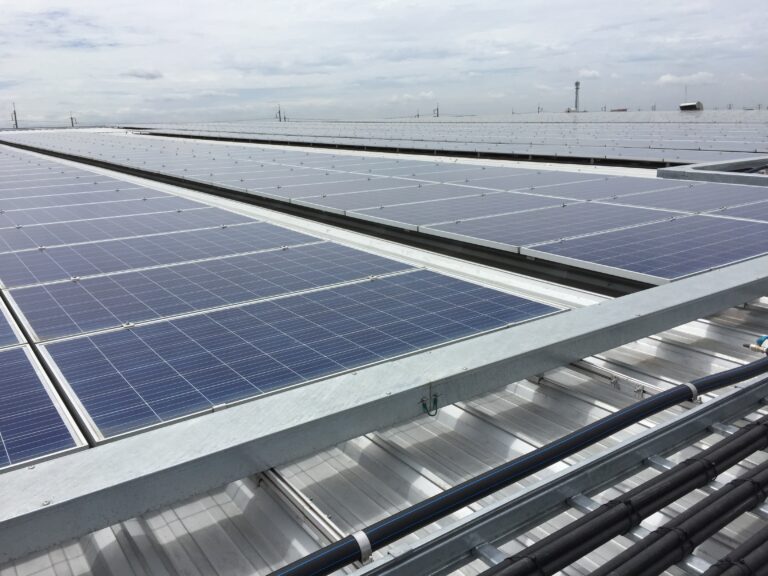
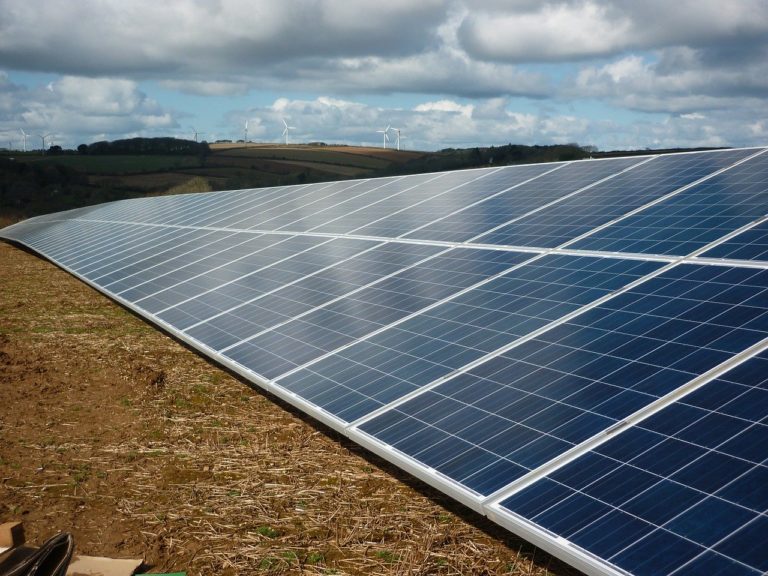
We act to conserve the mighty Mekong’s ecosystem through system-scale planning methods and promoting the renewable energy revolution in mainland Southeast Asia.
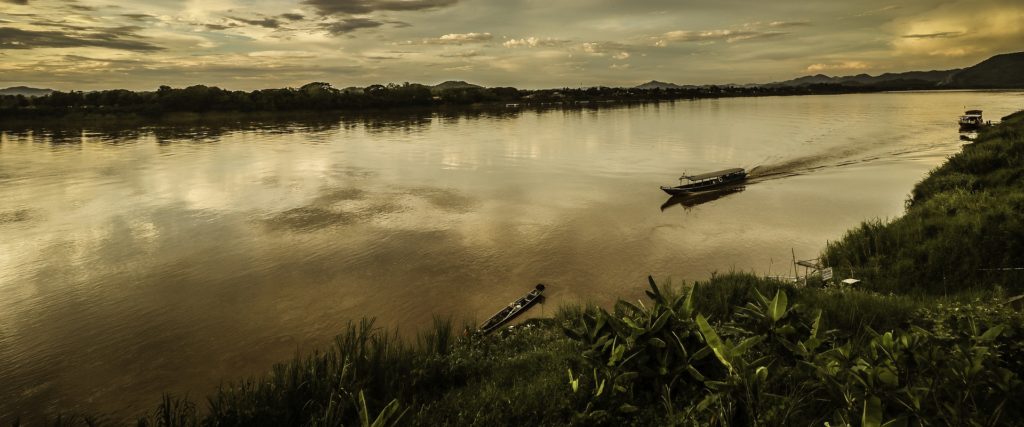
The Lower Mekong countries of Cambodia, Laos, Myanmar, Thailand and Vietnam have achieved unprecedented economic growth over the last decade. However, this rapid economic expansion has come at a significant social and environmental cost, with growth fueled by increased energy consumption supplied mostly by hydropower and coal.
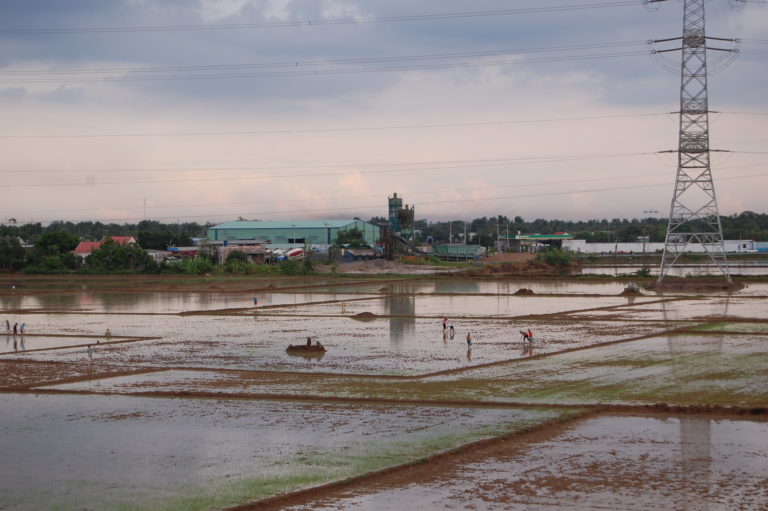
Resettlement from infrastructure projects in Laos is now the top driver of internal migration; Cambodia’s Tonle Sap Lake, the world’s largest inland fishery is threatened by upstream dams; and Vietnam’s Mekong Delta, the country’s “rice bowl” is rapidly dropping in economic productivity. Poorly planned hydropower plants and an excess of new coal power plants threaten natural resource security in the Lower Mekong and are a source of political tension among these countries.
Mekong Basin Connect is a collaborative partnership formed of Stimson, IUCN, and a range of qualified technical partners. We build capacity for government and non-government stakeholders in the Lower Mekong move toward an alternative pathway that protects the Mekong River’s core ecology while also reliably meeting the region’s energy needs to support robust levels of economic development.
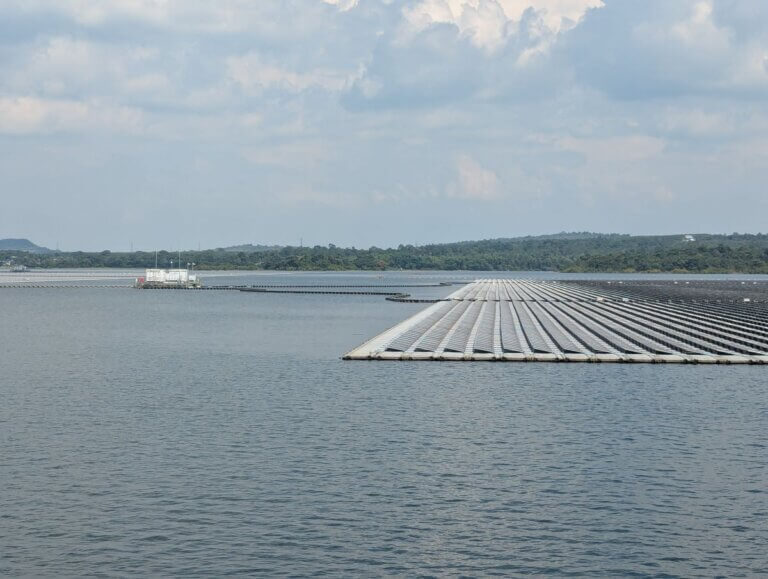
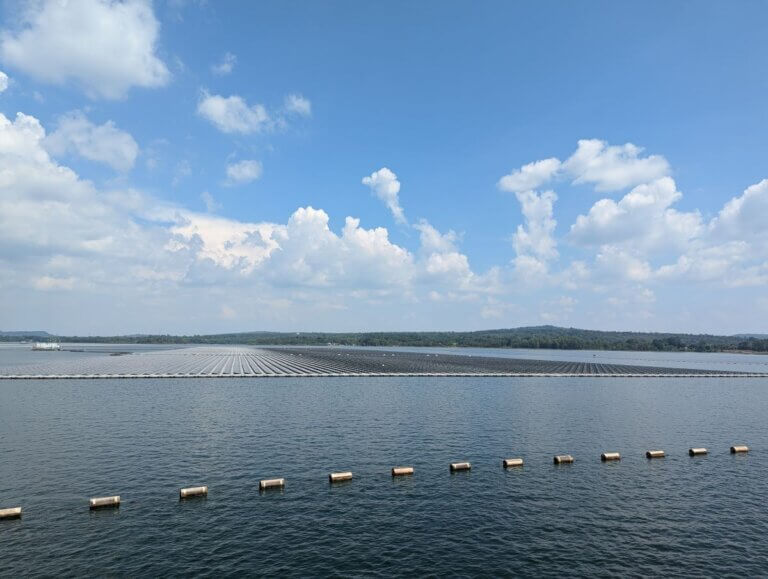
Given rising energy demand and vulnerability of overdependence on hydropower, Cambodia, Laos, and Vietnam should expand floating solar power in the 3S river system
Given Southeast Asia’s rapid electricity demand growth and increasing climate uncertainty, diversification of the power supply is key for energy security
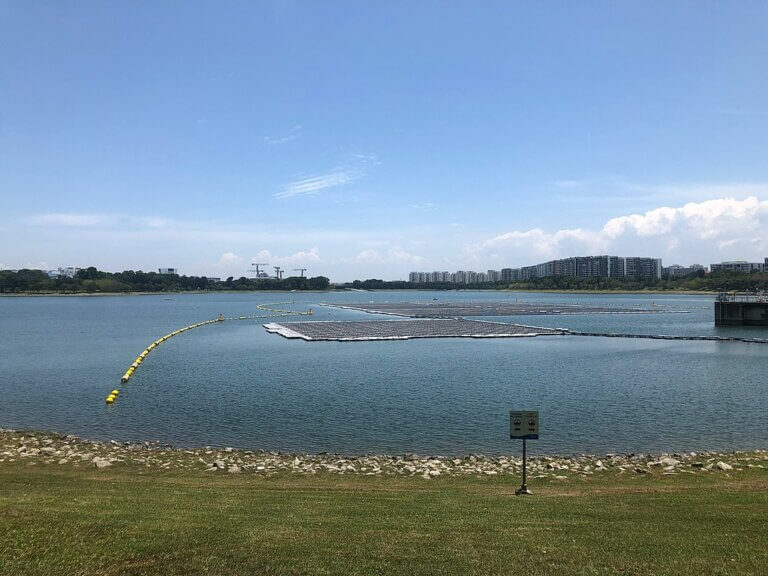
Singapore can create economic growth through ASEAN's green transition by supporting technical capacity building and investment in neighboring countries
Given rising energy demand and vulnerability of overdependence on hydropower, Cambodia, Laos, and Vietnam should expand floating solar power in the 3S river system
Given Southeast Asia’s rapid electricity demand growth and increasing climate uncertainty, diversification of the power supply is key for energy security