Gendered disinformation is a growing global challenge that undermines the credibility and success of women and gender minorities in politics, often driving them away from political careers and, in some cases, putting them at risk of physical violence. These campaigns exploit sexist narratives and gender stereotypes, posing not only a threat to gender equality and women’s rights but also to national and international security. Authoritarian actors intentionally use gendered disinformation to polarize societies, weaken democracies, and roll back multilateral cooperation. Addressing this issue requires integrating human rights and gender equality into national and global security frameworks.
In 2024, with over 60 national elections held and record-breaking voter turnout, gendered disinformation has been a notable factor in electoral interference and influence operations. These tactics have raised critical questions about their impact on gender diversity in politics, electoral outcomes, and approaches to national security. Join us for an engaging online discussion examining the role of gendered disinformation in key 2024 elections. We will explore its implications for democracy, debate the merits of framing it as a national security issue, and delve into current initiatives and policy responses to combat this pervasive threat.
Featured Speakers

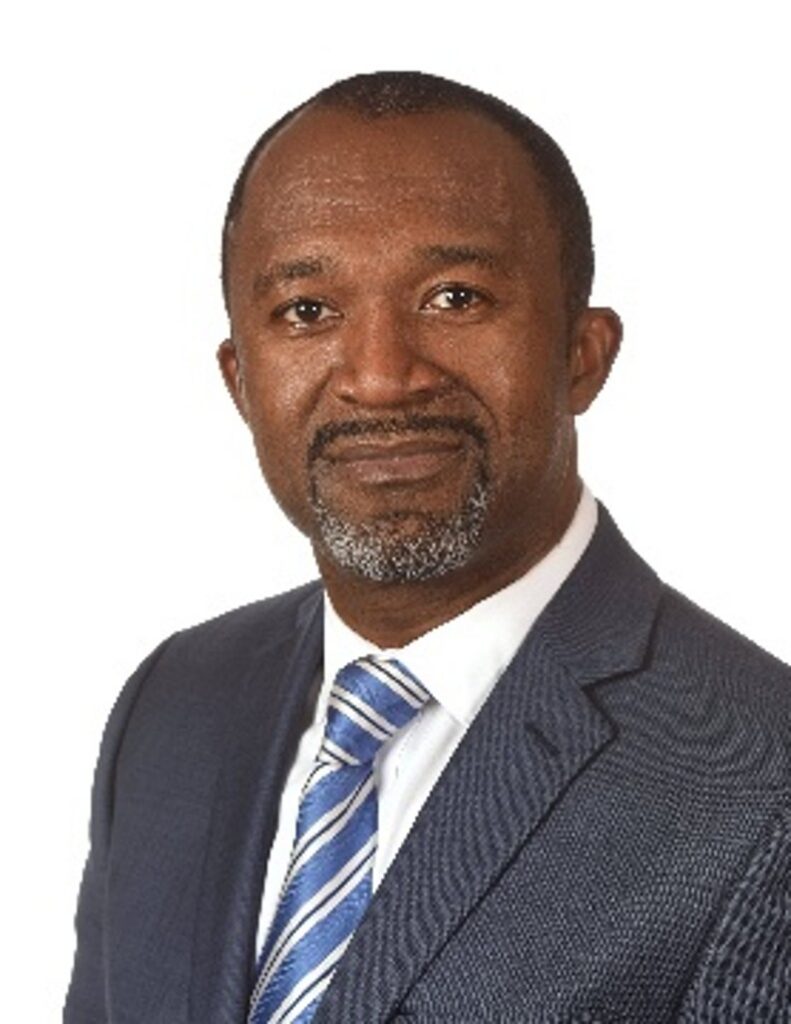
Joan Onyango-Obunga, Kenya Country Office, UN Women
Joan Onyango-Obunga is an Economist/Finance Professional turned Lawyer with over twenty years combined professional experience. A strategic thinker and governance practitioner with great interest and passion about Justice, Law, and Good Governance with a bias in Human Rights. She is also trained in Public Policy formulation, implementation & analysis, Dialogue, Negotiation and Mediation, Elections Management and Legislative Drafting with specific lens on gender and children.
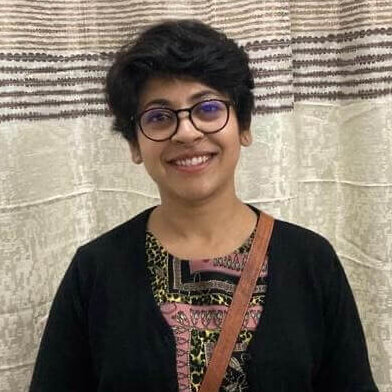
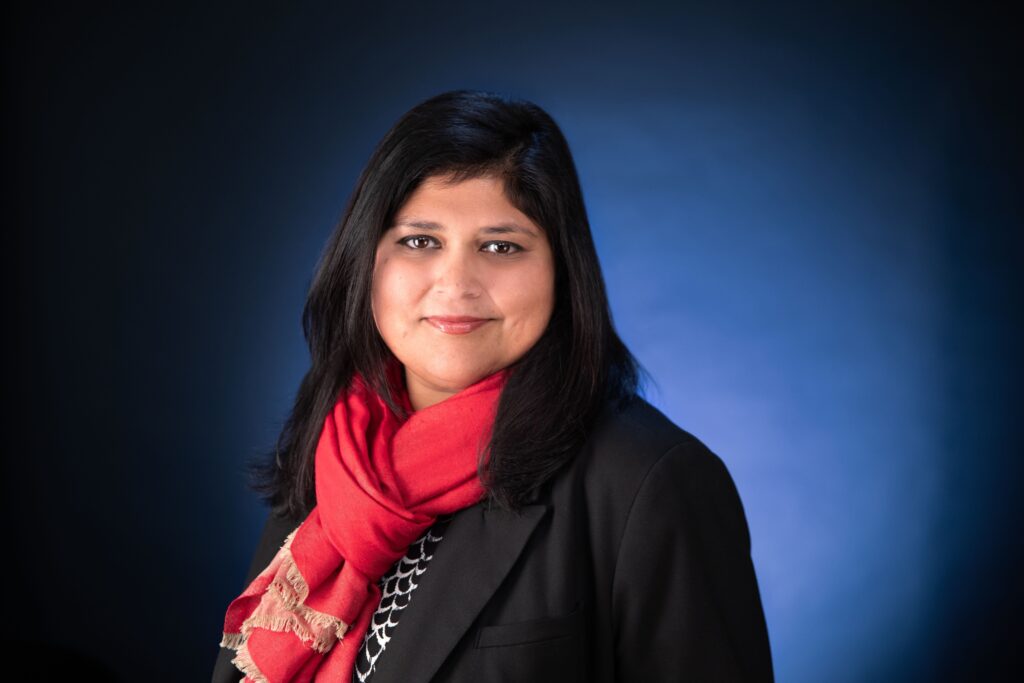
Tarushikha Sarvesh, Assistant Professor, Aligarh Muslim University
Tarushikha Sarvesh is an Assistant Professor in Sociology and Gender Studies at Aligarh Muslim University in India. She has directed several research projects, including on “Gender Digital Divide in India and Neighbouring Countries,” and another on “Women and Social Exclusion in the Turmoil Zones of Kashmir.” She has recently signed a contract with Routledge for a forthcoming book on “Women’s Agency and Exclusion in Conflict Zones: Intersectional Experiences of Turmoil and Militarisation”.

Kaleigh Schwalbe, Program Manager, National Democratic Institute
Kaleigh Schwalbe is a Program Manager for Information Integrity on the Democracy and Technology team at the National Democratic Institute (NDI). She works with NDI’s staff and partners around the world to develop tools and resources to promote information integrity and address online violence against women in politics.
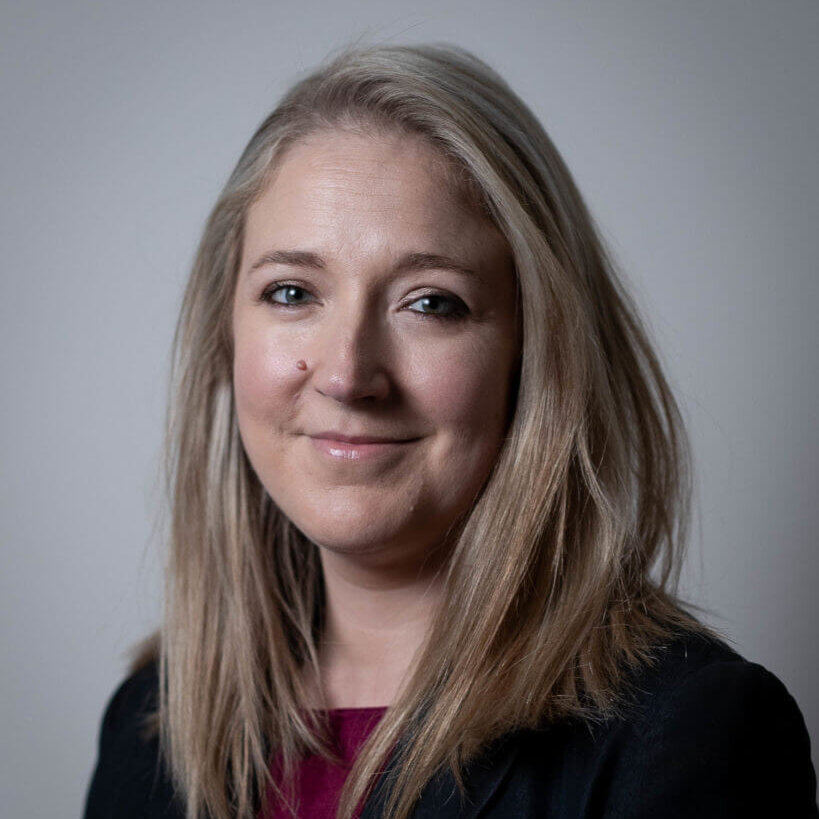
Lisa Sharland, Senior Fellow and Director, Protecting Civilians and Human Security Program, Stimson Center (Opening Remarks)

Allison Pytlak, Senior Fellow and Director, Cyber Program, Stimson Center (Moderator)