Co-organized by the Stimson Center and the Government of Nepal’s National Disaster Risk Reduction & Management Authority (NDRRMA); Made possible thanks to the Australian Government Department of Foreign Affairs and Trade (DFAT) and the McConnell Foundation.
This webinar event gathers a panel of experts to discuss both the specific dimensions of the recent glacial lake outburst flood (GLOF) disaster that devastated the village of Thame and broader strategies for disaster and climate risk management in the Himalayan region. As a cascading event that began with a small and understudied glacial lake, the Thame GLOF has prompted scientific experts, authorities, and locals to rethink the ways they assess potential cryosphere risks. This event explores the gaps in knowledge and policy that the Thame disaster highlighted, and considers what kinds of research and disaster risk management efforts might be needed to create effective monitoring and early warning systems in the future.
One month after the Thame GLOF, this panel discussion examines both the current situation on the ground and the potential policy implications of this event. How are the displaced people of Thame coping in the aftermath of the disaster, and how might the processes of resettlement and recovery unfold from here? What kinds of preliminary findings have emerged based on evidence collected so far, and what kinds of questions remain? What have we learned from recent analyses of the Thame GLOF and post-disaster response that might inform climate adaptation research, policy, or investment? How might this climate-related disaster inform ongoing efforts to reckon with climate change-driven patterns of loss and damage and the unjust distribution of climate impacts in the Himalayan region?
Speakers include government officials and scientists from the Government of Nepal agencies who responded to and evaluated the Thame Disaster, local government representatives from the Solukhumbu region, cryosphere experts, and social scientists. The program will include 30 minutes for Q&A from the virtual audience.
Speakers
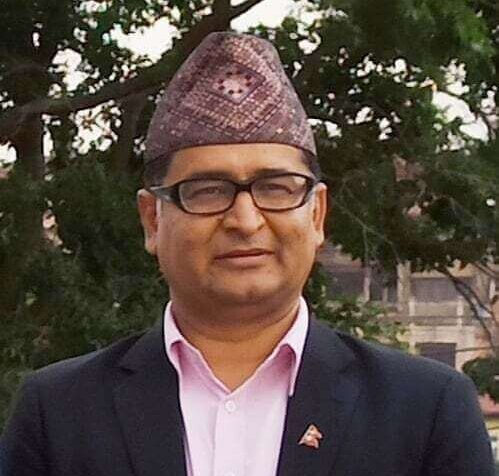
Anil Pokhrel, Chief Executive, National Disaster Risk Reduction and Management Authority (NDRRMA), Government of Nepal
Anil Pokhrel is the Chief Executive of the NDRRMA, where he leads the Government of Nepal’s efforts to coordinate disaster risk management and crisis response. In a career spanning more than two decades, he has worked extensively on disaster, climate, and water issues with Nepali and international NGOs, UN agencies, the Asian Development Bank, and the World Bank. He holds a Master’s degree from the Yale School of the Environment, where he was also a Fulbright Fellow.

Dr. Pasang Yangjee Sherpa, Assistant Professor of Lifeways in Indigenous Asia, University of British Columbia
Pasang Yangjee Sherpa, Ph.D. is an Assistant Professor of Lifeways in Indigenous Asia, jointly appointed in the Institute for Critical Indigenous Studies and the Department of Asian Studies at the University of British Columbia. Her research applies a community-based approach to explore the possibilities of collective survival on a warming planet, building on her longterm ethnographic study of the Sherpa community, at home and in the diaspora, and the human dimensions of climate change.
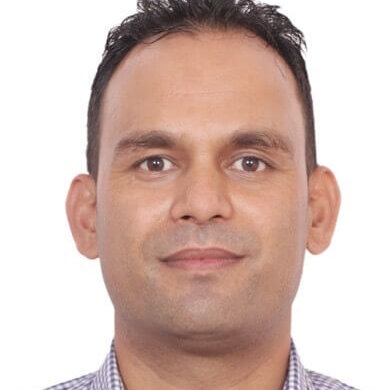
Dr. Mohan Bahadur Chand, Assistant Professor, Department of Environmental Science and Engineering, Kathmandu University
Dr. Mohan B. Chand is an environmental scientist with a Ph.D. and Postdoctoral Degree from Hokkaido University, Japan. Dr. Mohan specializes in Himalayan Glaciology, and his recent research is focused on glacial lakes and associated risks in the Himalayan region. He has over 13 years of experience in the academic research and development sector related to climate change adaptation and disaster risk management, including work focused in the Khumbu region.
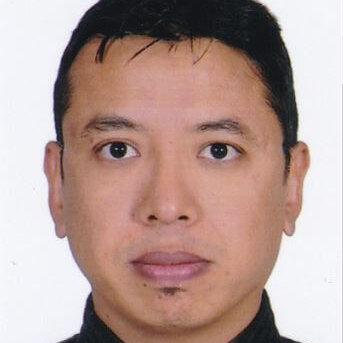
Dinkar Kayastha, Senior Divisional Hydrologist & Head of Snow & Glacier Section, Department of Hydrology & Meteorology, Government of Nepal
Dinkar Kayastha has over 20 years of extensive experience in hydrology and currently leads both the Snow Survey & Glacial Lake Section and the Remote Sensing and GIS Section within the Department of Hydrology and Meteorology (DHM) in Nepal. He routinely conducts conducting hydrological assessments and field-based monitoring across the country, and previously served as the head of the Karnali Basin Office. He holds Master’s degrees from both Tribhuvan University, Nepal and IIT Roorkee, India.
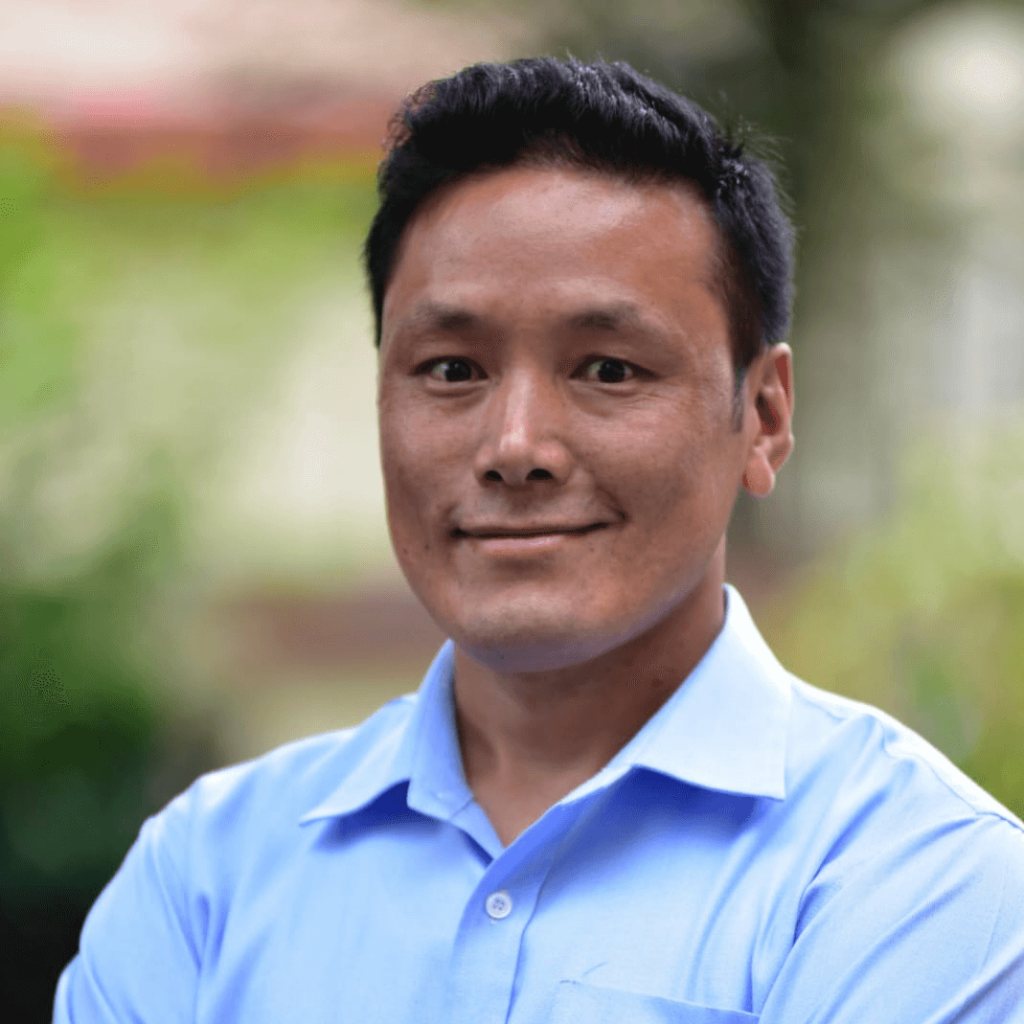
Mingma Chhiri Sherpa, Chairperson, Khumbu Pasang Lhamu Rural Municipality

Jeevika Khadka, Project Coordinator, The Stimson Center (Moderator)

Dr. Austin Lord, Senior Fellow & Nepal Lead, The Stimson Center (Moderator)