
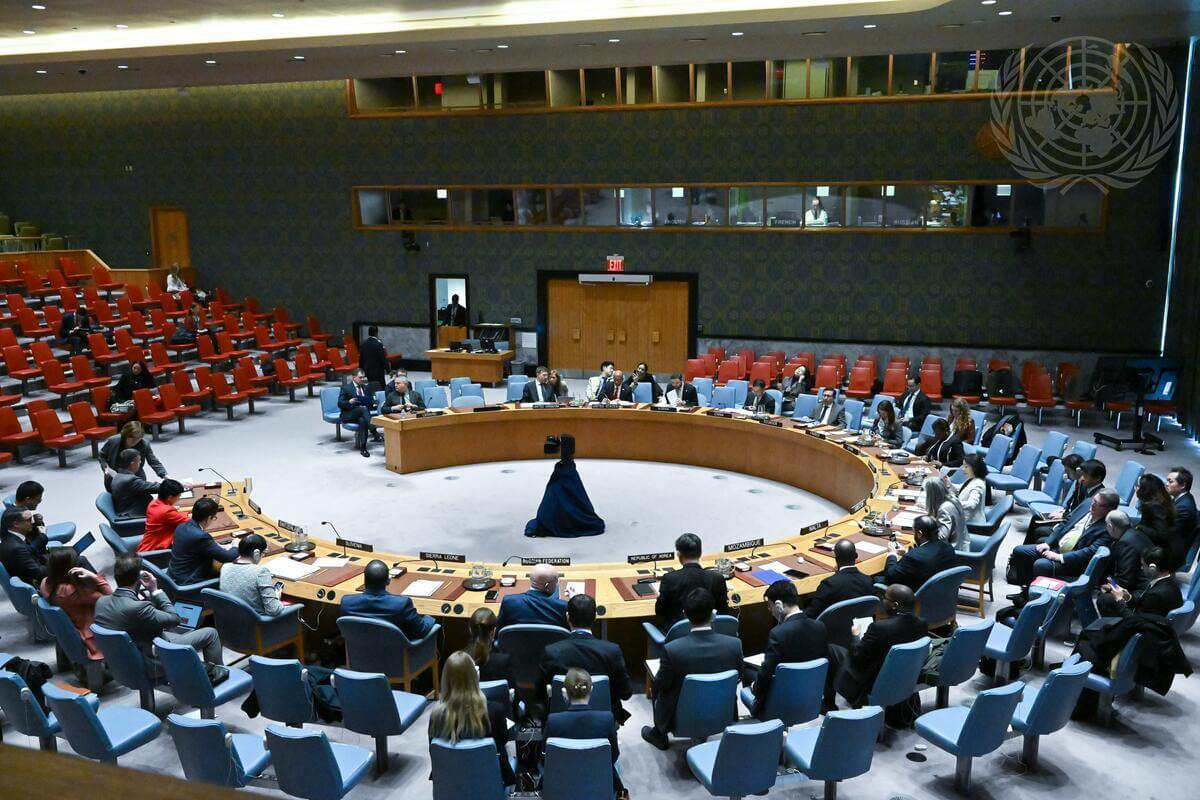

There have been several efforts to make UN peace operations’ mandates more realistic, effective, and achievable over the past two decades.1See, for example: UN General Assembly and Security Council, Report of the Panel on UN Peace Operations, UN Doc. A/55/305–S/2000/809, August 21, 2000; UN General Assembly and Security Council, Report of the High-Level Independent Panel on Peace Operations on Uniting Our Strengths for Peace: Politics, Partnership and People, UN Doc. A/70/95–S/2015/446*, June 17, 2015; UN Peacekeeping, “Declaration of Shared Commitments on UN Peacekeeping Operations,” 2018. Most notably, the 2015 report of the High-Level Independent Panel on Peace Operations (HIPPO) recommended that the council “make use of sequenced and prioritized mandates as a regular practice, including a two-stage mandating process requiring the Secretary-General to return to the Council with proposals for prioritized mission tasks within an initial six-month period.”2UN Doc. A/70/95–S/2015/446*, para. 186. During mandate renewal negotiations, member states have increasingly sought to identify missions’ priority tasks, including the protection of civilians (POC); the expansion of state authority; support for the implementation of peace agreements; disarmament, demobilization, and reintegration (DDR); security sector reform (SSR); and human rights. At the same time, member states have begun to discuss and differentiate between core mission mandates and other tasks. Subsequently, the council has made prioritization explicit within several mandates, including for the missions in the Central African Republic (MINUSCA), the Democratic Republic of the Congo (MONUSCO), and Mali (MINUSMA), and has tried to improve sequencing.3Security Council Report, “Prioritisation and Sequencing of Council Mandates: Walking the Walk?” January 2020; Aditi Gorur and Madeline Vellturo, “Prioritization and Sequencing by Peacekeepers: Leading from the Field,” Stimson Center, November 2020.
However, several challenges have inhibited the full implementation of the HIPPO recommendations and efforts to make mandates more fit for purpose. These include a lack of a common definition of prioritizing and sequencing, obstacles within the mandating process itself, political dynamics, constraints within the Secretariat, and limitations of the budgeting process.4Security Council Report, “Prioritisation and Sequencing of Council Mandates.” As a result, the extent to which mandates have become more prioritized and sequenced varies.
In parallel, the council has also sought to move away from lengthy “Christmas tree” mandates in favor of greater streamlining, including for the mission in South Sudan (UNMISS), MINUSCA, and MONUSCO. However, while streamlining seeks to make mandates more focused, these changes have implications for missions’ budgets and operational capabilities and mission leaders’ decision making.
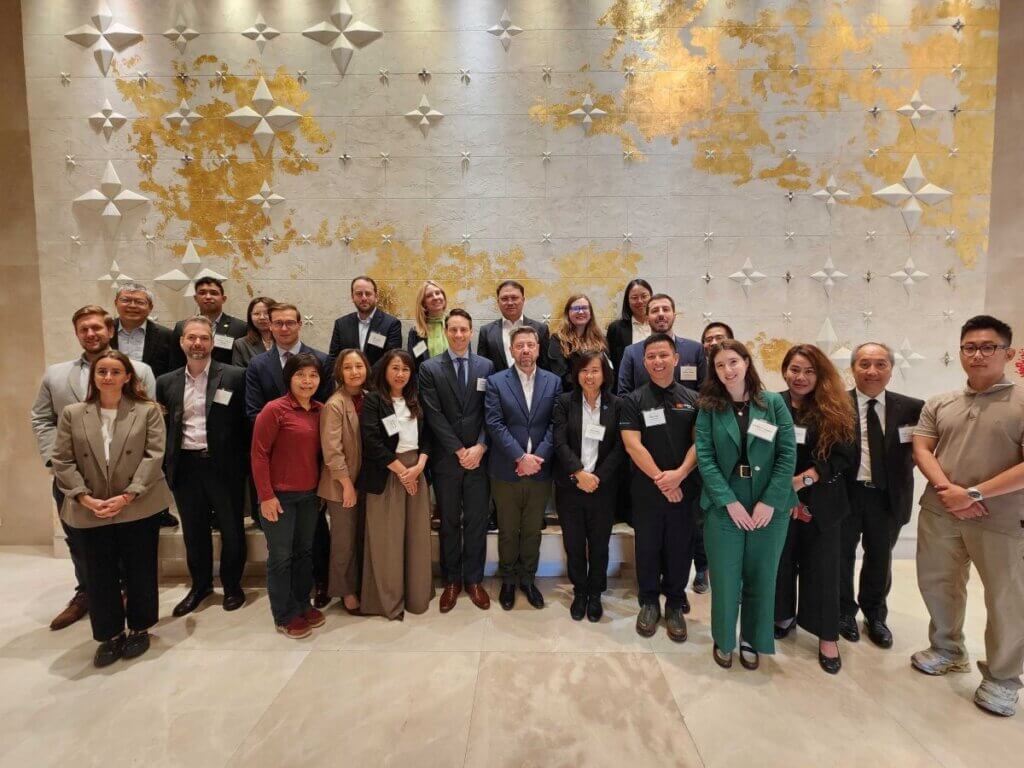
Within this context, the International Peace Institute, the Stimson Center, and Security Council Report co-hosted a roundtable discussion to reflect on UN Security Council efforts to prioritize, sequence, and streamline mandates. The roundtable brought together representatives from the UN Secretariat and member states, as well as external experts. Overall, participants agreed that, over the past ten years, the council’s decisions to prioritize and sequence mandates have impacted missions’ work and the allocation of resources. Participants expressed differing opinions over whether and how the council should prioritize and sequence mandates in the future. Participants also identified the budgetary and operational opportunities and risks presented by streamlining mandate language moving forward.
Lessons Learned and Pathways Forward: What Next for Mandates?
Participants reflected on how the dynamics around the mandating process have shifted since the HIPPO report was released in 2015. For example, host governments have become more active in the negotiations around mandates by engaging council members over resolution language. The ten elected members of the Security Council (E10) have increasingly come to play a more prominent role on the council, often bringing new text to the table for consideration. Moreover, the council’s three African members (A3) have become a stronger voting bloc, frequently supporting the views expressed by the host country. As a result, penholders no longer have as much leverage in shaping mandates as they did a decade ago. Broader geopolitical trends and the increasing lack of trust among council members have also diminished the “political consensus” around mission mandates. Given this context, participants discussed whether and how the council should seek to prioritize, sequence, and streamline mandates moving forward.
Prioritization and Sequencing
While priorities within mandates are key to determining mission budgets and driving operational decisions taken by mission leaders, they are also a valuable political tool that “sends a message” to the host government, populations, missions, and partners. As such, mandates can be powerful tools for building the relationship between the mission and the host government and managing expectations for the mission’s role in the country. For instance, the council’s decision in 2023 to prioritize the restoration of state authority in the mandate for MINUSCA at the request of the government of the Central African Republic improved the relationship between the government and the mission.5UN Doc. S/RES/2709, para. 36. Prior to 2023, restoration of state authority was listed under “other tasks” within the mandate. See, for example, the mandates from 2020–2022: UN Doc. S/RES/2552, para. 32; UN Doc. S/RES/2605, para. 35; UN Doc. S/RES/2659, para. 36. As one expert noted, MINUSCA had always treated this as a priority, but it was “important that the council recognized it,” because it enabled the mission to communicate and work more closely with the host government to implement the mandate.
However, participants held different views about how detailed mandates should be and whether the council should also engage in sequencing. Some experts argued that the council should articulate a broad set of priorities, allowing missions to determine the sequencing. In the words of one expert, “sequencing can bring micromanagement” and can prohibit mission personnel from adapting to the evolving needs on the ground. Other participants stated that it can be helpful for the council to articulate a set of priorities and a strategic vision, as it did with UNMISS, that the mission can then use to guide its own workplan.
“Christmas Tree” Mandates and Streamlining
In addition to prioritizing and sequencing, the council has also discussed moving away from “Christmas tree” mandates in favor of greater streamlining. Streamlining seeks to shorten mandates, but participants held different perspectives on what this looks like in practice. One expert expressed that streamlining has largely been interpreted as “cutting down words in the resolution, so instead of having text, you’ll refer to previous resolutions.” This can make the mandate more difficult to understand—particularly for a layperson—without increasing a mission’s autonomy or decision-making power. A different expert saw streamlining as making mandates “more accessible and readable,” while another referred to it as “focusing the mandate.” Nevertheless, participants weighed both the benefits and risks of having lengthier and more detailed mandates.
Some experts argued that the council should move toward greater streamlining. One participant spoke about how “Christmas tree” mandates can generate “unreasonable expectations for what the mission can do.” Another argued that mandates should focus on a few priority areas, with other tasks instead delegated to the country team and other UN partners, which can ensure the sustainability and continuity of efforts once the mission has transitioned out.
However, efforts to streamline mandates have generated concerns over the potential negative impacts and “the potential loss of hard-won language and the normative developments it captures.”6IPI, Stimson Center, and Security Council Report, “Prioritization and Sequencing of Security Council Mandates: Lessons Learned Workshop,” June 20, 2023. For example, after the council cut approximately one quarter of MONUSCO’s mandate and one-fifth of the resolution in December 2022, some experts questioned whether the changes would be seen as deprioritizing essential components of the mission’s work, including human rights monitoring.7Daniel Levine-Spound and Josh Jorgensen, “MONUSCO’s 2022 Mandate: Streamlined, But Missing Key Protection Language,” CIVIC, 2023.
Given the current political climate on the council, some participants raised the fear that once mandates have been streamlined, it can be difficult to put language back in. As one expert noted, the council is “stymied by a massive lack of trust… and now every bit of language is fought over.” Furthermore, given the trust deficit on the council, another expert argued for “embracing Christmas tree mandates.” In the view of this expert, one approach moving forward could be for the council to list all possible tasks within a mandate, with the understanding that this list reflects what the “mission is allowed to do, not what it must do,” and then leave it to the mission to determine the execution of the mandate. However, as discussed below, whether the council streamlines mandates has both budgetary and operational implications.
Budgetary and Operational Considerations
Despite the secretary-general’s management reform, participants identified the link to budgeting as one of the core challenges within the existing mandating process. During the annual budgeting process, missions confer on a proposed budget with the UN controller in New York, and then the heads of mission go before the General Assembly’s Fifth Committee to discuss resource requirements. Missions ask for resources up front, and all posts are approved individually—a level of oversight that can make it an uphill battle to get new substantive posts approved and can hinder the mission’s ability to pivot and adapt over its life cycle. Participants also identified that it is quite difficult to “defend” budgets before the Fifth Committee. In this context, several participants called for more flexible budgeting models.
In 2019, as part of the management reform, the secretary-general delegated authority to heads of mission to manage the human, financial, and physical resources of the mission, with the goal of aligning responsibility for mandate implementation with the authority to manage resources.8UN Department of Peace Operations and Department of Operational Support, “Authority, Command and Control in United Nations Peacekeeping Operations,” Policy: 2019.23, October 25, 2019. However, participants noted that this delegation of authority has not yet been fully realized. For example, heads of mission often still seek approval from the controller to shift funds between budgeting groups, making it difficult for missions to “course correct” as dynamics on the ground shift.9For more information about the reforms see, Wolfgang Weiszegger, “Implementing the UN Management Reform: Progress and Implications for Peace Operations,” International Peace Institute, July 2020.
In addition, while the budgets are supposed to reflect the mandate, as one expert noted, missions have often been given “new tasks without new resources.” In this vein, some participants argued that more streamlined mandates might help to ensure that missions are not being asked to do more than the resources allow.
On the other hand, some experts cautioned against this approach, with one noting, “Don’t streamline too much to the extent that we remove the ability of the missions to defend their resources. It’s the only firm ground that we have with the controller and Fifth Committee.” As several participants expressed, without clear language in mandates, missions are not able to secure sufficient budgets to execute activities, even if missions see these activities as imperative. For example, one expert noted that in South Sudan, climate change has “weakened the vulnerability of the population and exacerbated the conflict dynamics,” making it critical that the mission mainstream climate, peace, and security into its data monitoring, conflict analysis, and early warning. They noted that when the council first recognized the adverse effects of climate change in the 2021 mandate, UNMISS was then able to mobilize resources to address this issue.
Conclusion and Looking to the Future
Several participants noted that a key lesson over the past ten years has been the importance of all stakeholders, including the host government, the mission, the council, troop- and police-contributing countries, and host populations, having a “common vision” for what the mission is seeking to achieve. At the same time, experts recognized the growing trust deficit between and among these different stakeholders across contexts.
Considering these dynamics, participants debated what role, if any, the council should play in prioritizing and sequencing mandates in the future and what decisions should be left to the discretion of missions. While experts expressed differing perspectives about the future utility of the council’s role, participants agreed that there is a need to improve practices around prioritizing, sequencing, and streamlining mandates moving forward.



Current Geopolitics Shift Deep-Sea Mining Debates