As the United States looks to the future, international challenges continue to cross borders, demanding cooperation by nations to address and manage threats to peace and security. From conflict prevention to climate change to managing nuclear risks, international bodies are designed to help states better address these challenges. The fuel that allows those bodies to deliver results is ensuring adequate financial resources, primarily funding from member states. At the same time, guiding those results toward effective outcomes requires leadership to strengthen and reform multilateral bodies to meet modern issues.
Robust financial leadership combines both elements. America’s success in guiding and leveraging UN priorities and decisions has depended in part on longstanding U.S. financial leadership. This unique ability to guide the multilateral system – especially at the UN – is necessarily attached to financial responsibility: the U.S. is the largest single contributor to the UN’s annual budget, for example, and that funding is needed for the system to work.
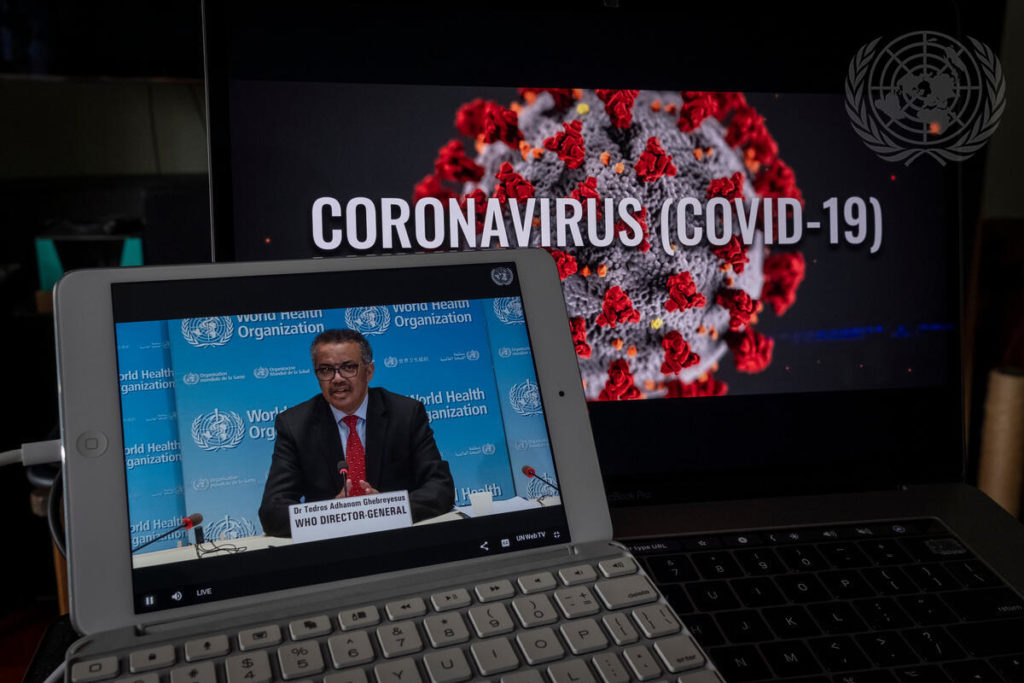
This project will develop this concept further by looking at various cases to see how U.S. funding and leadership at UN agencies and bodies align with U.S. goals, interests and values. Some recent cases are well-known, such as the U.S. withholding of funding from the World Health Organization (WHO). Other cases may be less visible, such as the upcoming 2021 negotiations over UN assessment rates for peacekeeping missions.
This relationship – between policy and funding – should have a higher profile in U.S. foreign policy calculations and formulation. The incoming Biden Administration will face many choices as well as opportunities to align funding, leadership and results. To illuminate the options and tradeoffs, this Stimson project will analyze and pinpoint where financial and diplomatic efforts could be effectively targeted to achieve success and further U.S. multinational interests and values.



You can opt out at any time. We respect your privacy and will not sell your personal information. See our privacy policy for more.