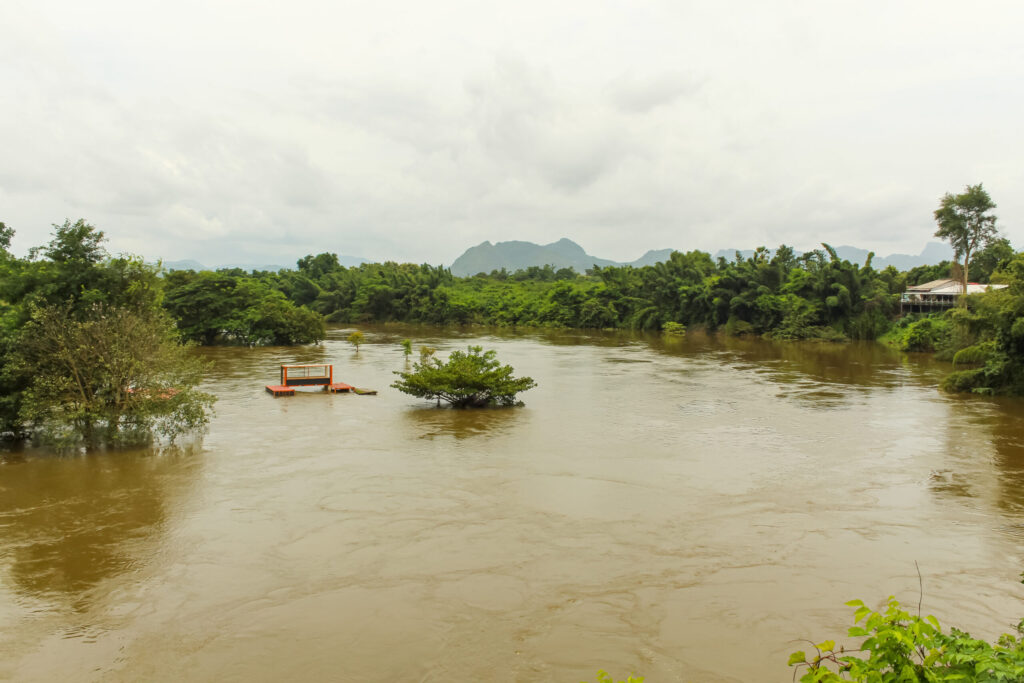
The Stung Treng Ramsar Site in northeastern Cambodia is one of the Mekong River’s most important—and most threatened—flooded forest ecosystems. Our Southeast Asia team and IUCN teamed to develop a new report, Engineering the Mekong: How Upstream Dams are Reshaping Cambodia’s Flooded Forest, which shows how upstream hydropower operations have fundamentally altered dry‑season river flows, driving widespread forest die‑off and erosion in a system that depends on seasonal low water to survive.
Combining hydrological analysis, satellite‑based dam operations tracking, remote sensing of land and vegetation change, and community observations, the report documents an 18 percent loss of flooded forest since 2018, with some hotspots losing more than half their land and tree cover. These ecological changes are closely linked to dry‑season water releases from large dams in China and Laos that now keep river levels unnaturally high for months at a time.
Beyond local impacts, the findings raise broader questions for transboundary river governance, data transparency, and the geopolitics of hydropower in the Mekong Basin. The report also outlines feasible operational adjustments that could help restore critical low‑flow windows without undermining regional energy security.
Join us for an upcoming webinar from to hear the findings, explore their policy implications, and discuss what this case means for river conservation and cooperation in an era of intensifying geopolitical competition.
Photo courtesy of Andy Ball.
Featured Speakers
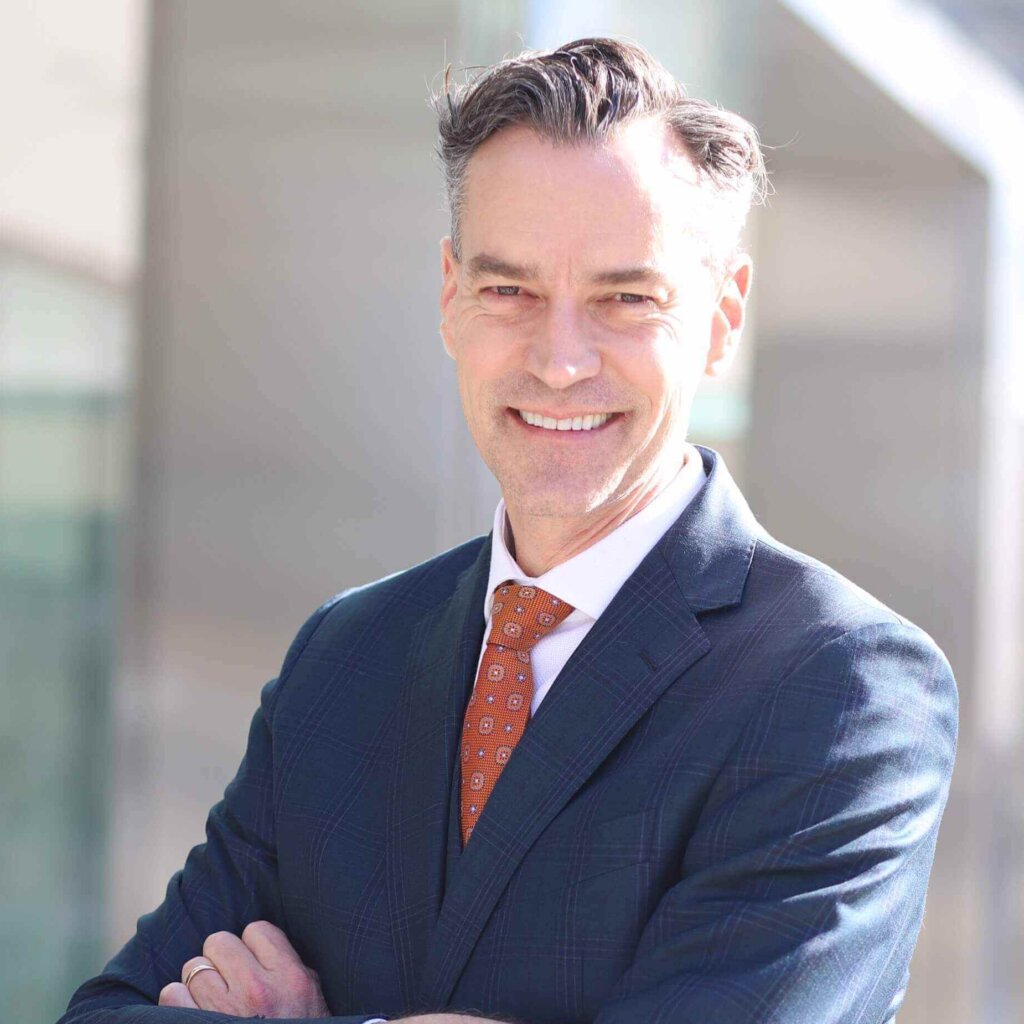
Brian Finlay, President and CEO, Stimson Center
Brian Finlay is the President and Chief Executive Officer of the Stimson Center. Brian previously served as Vice President, Managing Director, and Senior Fellow at Stimson. Prior to joining the Center, he served as executive director of a Washington-based lobbying initiative focused on counterterrorism issues, as a researcher at the Brookings Institution, and as a program officer at the Century Foundation. Prior to emigrating to the United States from his native Canada, Brian served with the Public Health Agency and the Department of Foreign Affairs and International Trade.
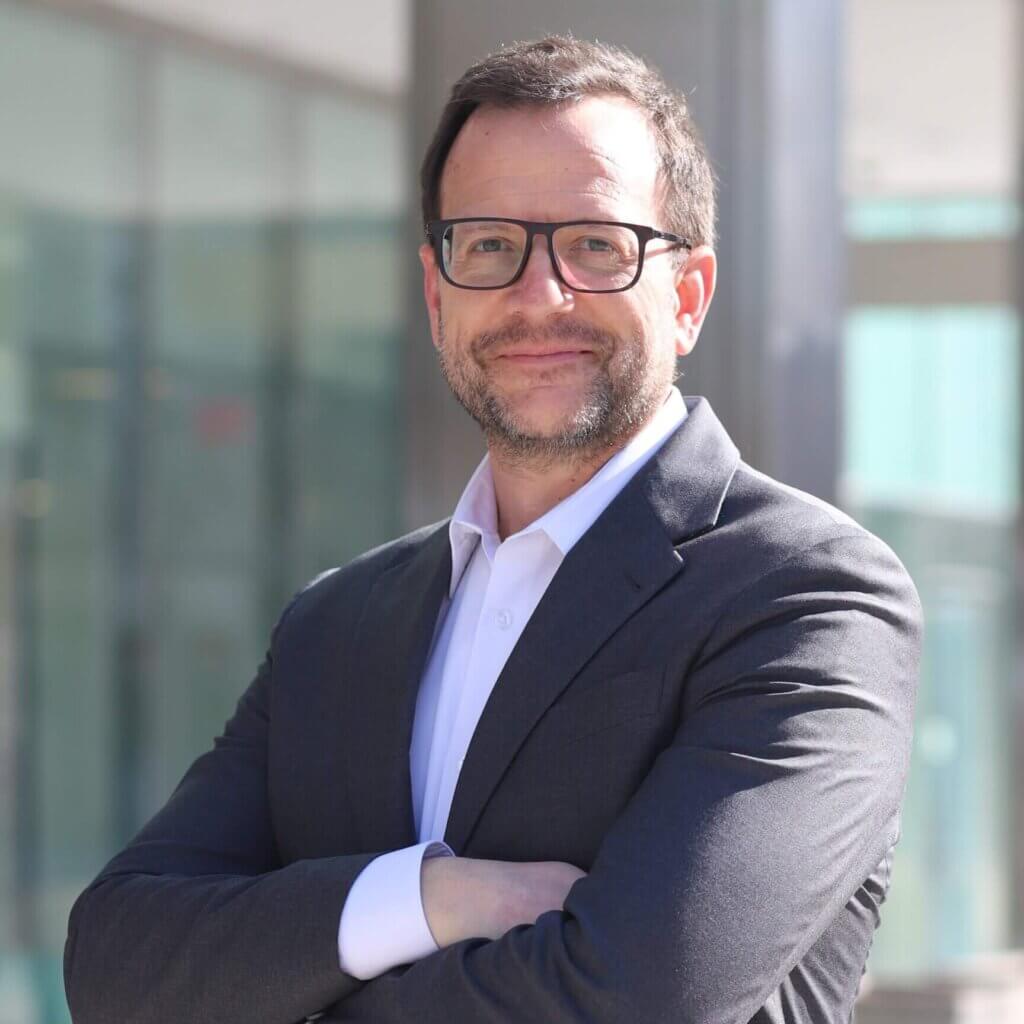
Brian Eyler, Southeast Asia Program Director, The Stimson Center
Brian Eyler directs the Southeast Asia Program and the Energy, Water, and Sustainability Program. He is an expert on transboundary issues in the Mekong region and specializes in China’s economic cooperation with Southeast Asia. He is widely recognized as a leading voice on environmental, energy, and water security issues in the Mekong. Brian is co-lead on the Mekong Dam Monitor. His first book, Last Days of the Mighty Mekong, was published by Zed Books in 2019.

Jake Brunner, Head for the Indo-Burma Group, International Union for Conservation of Nature (IUCN)
In his role as IUCN’s Head of the Indo-Burma Group, Jake covers Vietnam, Cambodia, Lao PDR, Thailand, and Myanmar. Before joining IUCN in 2008, Jake spent eight years running Conservation International’s Indo-Burma Program from Washington, DC, Hanoi, and Phnom Penh. Previously, Jake spent eight years at World Resources Institute, an environmental policy research center in Washington, DC. He holds a BA in Geography from Oxford University and a MS in Remote Sensing/GIS from
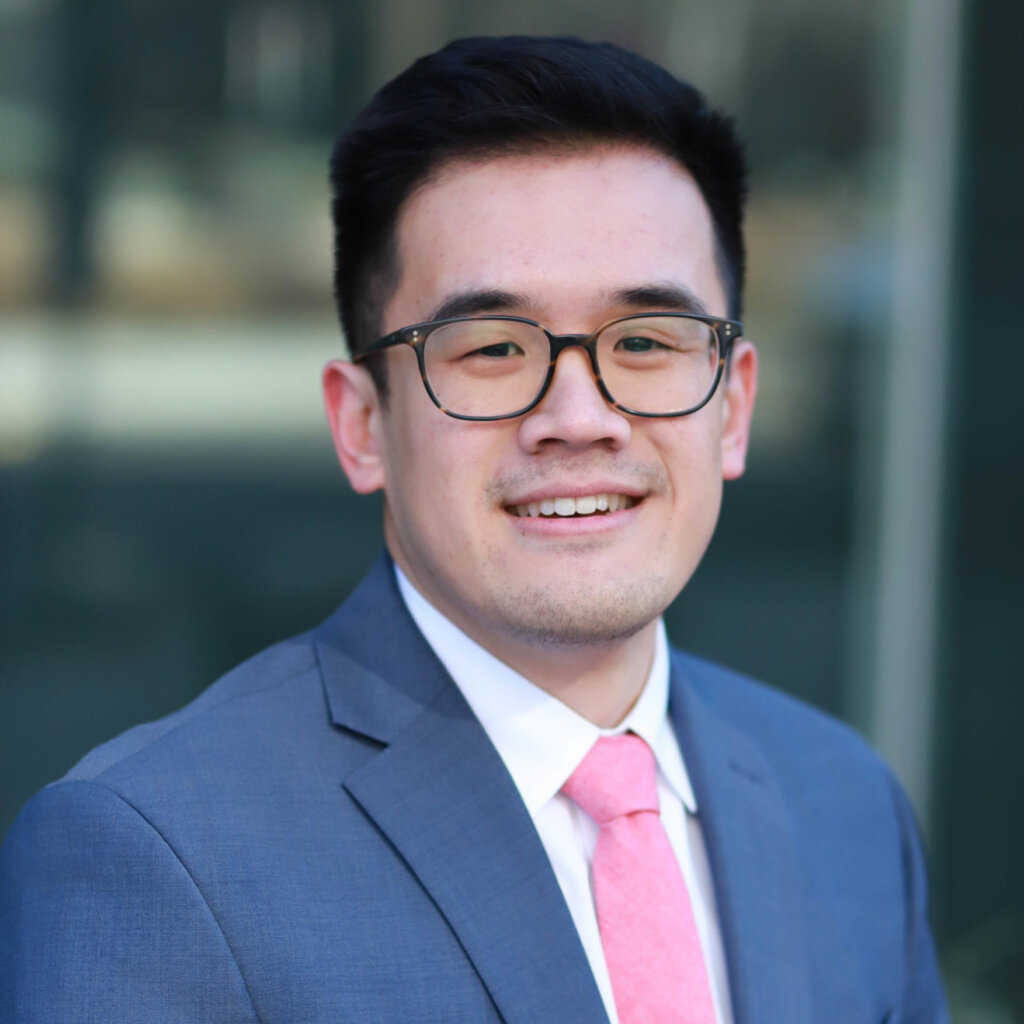
Regan Kwan, Research Analyst, Southeast Asia and Energy, Water, & Sustainability Programs, Stimson Center
Regan Kwan is a Research Analyst with the Southeast Asia Program and the Energy, Water, and Sustainability Program. His research focuses on the environmental and socioeconomic impact of development in the Greater Mekong Subregion. He leads the program’s data collection and management processes and manages the technical aspect of the Mekong Infrastructure Tracker platform and Mekong Dam Monitor. Before joining the Stimson Center, he worked as a consultant and research assistant at the International Maize and Wheat Improvement Center (CIMMYT).
Luy Reaksmey, Executive Director for the Culture and Environment Preservation Association (CEPA)
Reaksmey Luy is Executive Director of Culture and Environment Preservation Association (CEPA) in Cambodia and a recognized Mekong Hero, with over 21 years of experience in community-based natural resource management. Her work focuses on Mekong fisheries and flooded forest ecosystem management, particularly in the Stung Treng Ramsar Site, one of the Mekong’s most critical and vulnerable ecosystems, in the context of changing river hydrology. Through long-term field engagement, she has worked closely with local communities to address ecosystem degradation linked to altered flow regimes, including impacts on flooded forests, fisheries, and livelihoods. Her work focuses on documenting these changes and supporting community-based responses to protect critical ecosystems and sustain local livelihoods.
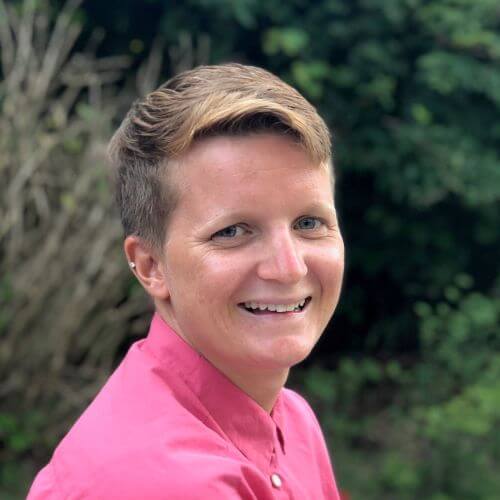
Kathryn Bimson, Programme Officer for Water, Wetlands and Nature-based Solutions for Climate, IUCN (Moderator)
Ms. Kathryn Bimson has been working on wetlands in Southeast Asia for the last nine years, and is currently coordinating the regional implementation of a number of projects related to Nature-based Solutions and wetlands in the Lower Mekong Basin. Ms. Bimson also supports the Secretariat for the Indo-Burma Ramsar Regional Initiative, working closely with the governments of Cambodia, Lao PDR, Myanmar, Thailand and Viet Nam to strengthen the implementation of the Ramsar Convention in the region.

Courtney Weatherby, Southeast Asia Deputy Director, The Stimson Center (Moderator)
Courtney Weatherby’s research focuses on sustainable infrastructure and energy challenges in the Indo-Pacific, particularly at the nexus of issues in food, water, and energy in the Greater Mekong Subregion. Weatherby was a lead author on a range of technical and policy studies with Pact Thailand and IUCN on hydropower investment and regional electricity trade and supports the Mekong Dam Monitor.
The analysis featured in this event is generously supported by the BRIDGE (Building River Dialogue and Governance) Project, which aims to build water governance capacities through learning, demonstration, leadership, and consensus building and is funded by the Swiss Agency for Development and Cooperation and implemented in Cambodia, Lao PDR, and Vietnam by IUCN.