
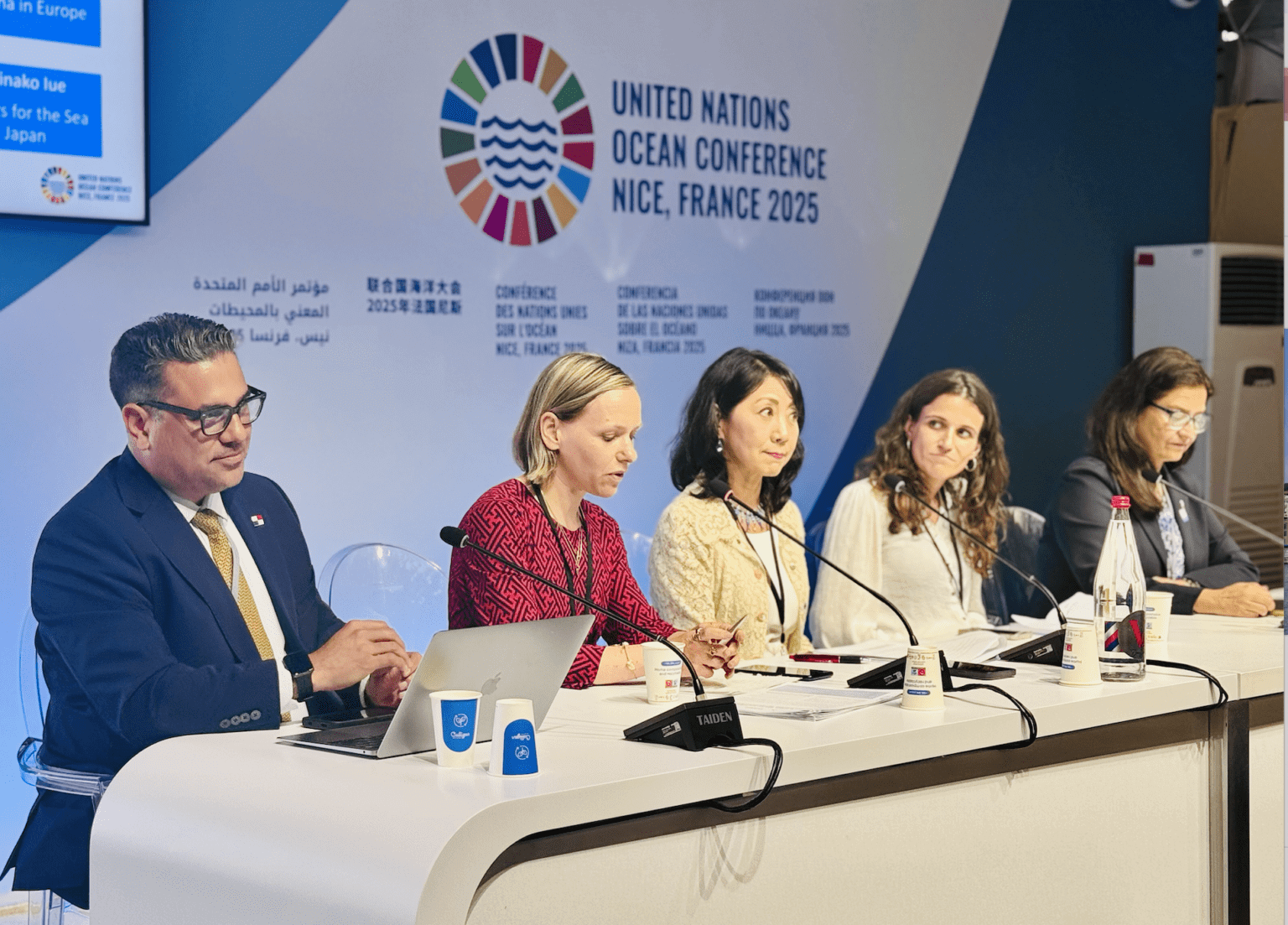
“There cannot be a healthy planet without a healthy ocean. It’s urgent business for us all,” said U.N. special envoy for the ocean, Peter Thomson, at last month’s UN Ocean Conference (UNOC).
Hosted in Nice, France, the conference brought together more than 15,000 political leaders, scientists, civil society, the private sector, academic institutions, Indigenous peoples, local communities, and philanthropic organizations with the goal of identifying innovative ways to finance and mobilize action for the ocean.
With 60 world leaders and 190 ministers in attendance, the conference marked a pivotal moment for global ocean governance. Hosted by the Governments of France and Costa Rica, the third UNOC sparked a wave of high-level political commitments and interdisciplinary momentum. The Nice Ocean Action Plan is an important step forward – but turning its ambition into impact will require sustained political will, accountability, and long-term investment. Among the many takeaways from the conference, three themes stood out
1. Multilateralism is doing just fine, thanks.
Eighteen countries ratified the High Seas Treaty in Nice, bringing the total to 50 — just 11 shy of the 60 ratifications needed for it to enter into force. This landmark agreement is the first legally binding framework to protect marine biodiversity in international waters and is critical to achieving global biodiversity goals by 2030.
The Treaty is a rare example of a truly global, long-term solution. After more than 15 years of negotiations, Member States and stakeholders have come together around a shared plan to safeguard the global ocean commons. But the race is now on to ratify. Only countries that do so before the first Conference of the Parties (which must occur within 120 days of the treaty entering into force) will have a seat at the table to shape how the treaty is implemented — including key decisions on governance, financing, and organizational structure. The risk of being sidelined from key decisions is real, so we’ll be tracking who moves next.
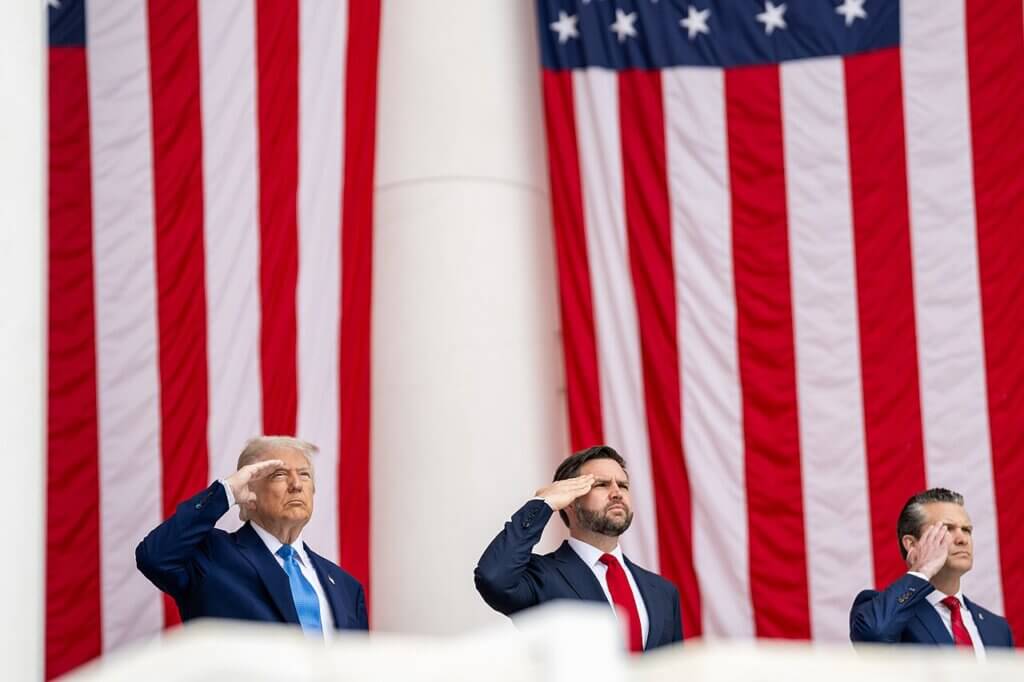
Notably absent from UNOC3 was the U.S. government, which had played a prominent role in the first two UN Ocean Conferences and in shaping the High Seas Treaty. Still, UNOC3 proved to be an action-forcing event that rose to the moment, reaffirming the value and relevance of multilateralism. Former Secretary of State John Kerry remarked that the U.S. has “stepped back from its traditional role by reversing [ocean] protections,” while emphasizing that “other nations can seize the mantle of critical leadership.”
Read the full op-ed on New Security Beat.
Subscribe to a bi-monthly New Security Beat digest and updates from the Stimson Center.



Current Geopolitics Shift Deep-Sea Mining Debates