Environmental Security
Expanding populations, shifting consumption patterns, growing energy use, and mounting resource demands are imposing potentially unsustainable strains on the global environment. Stimson research and analysis on environmental security explores how rising stresses on global ecosystems and shared natural resources could compromise economic development, fuel social conflicts, and undermine political stability in key areas of the world. Stimson’s work encompasses issues including threats to water security in transboundary river basins and aquifers; the interplay of socio-economic, political, and environmental trends affecting marine resources, coastal communities, and maritime security in the Indian Ocean region; the implications of increasing urbanization for global climate change, freshwater supplies, food security, and energy use; and the possibilities for collective institutions to enable cooperative environmental governance.
Current Research
-
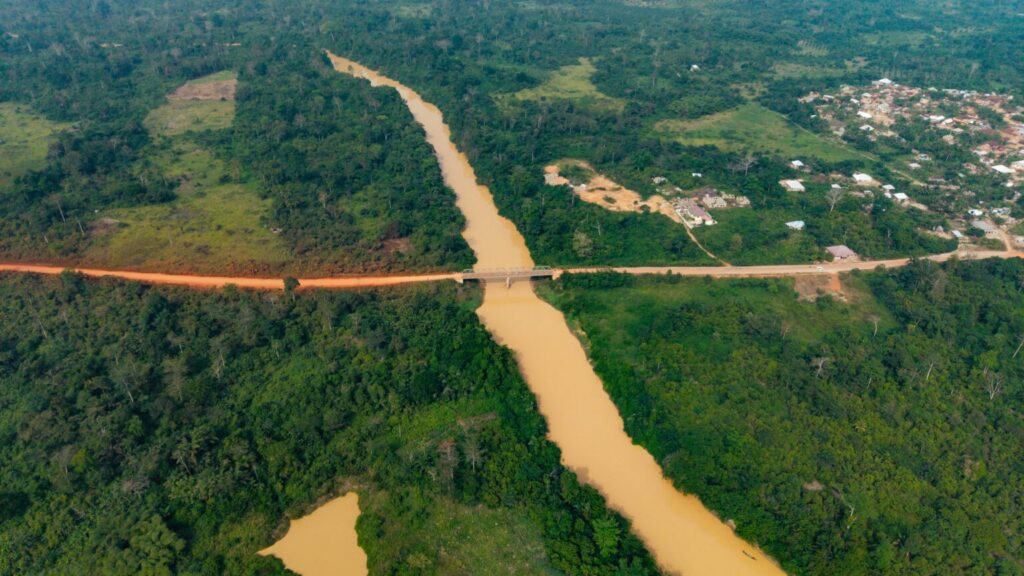
Connecting the Drops: An Indus Basin Roadmap for Cross-Border Water Research and Policy Coordination
… Read More »
Download the full report here. Soaring demand, mounting climate pressures, and unsustainable management patterns increasingly imperil the waters of the Indus River Basin on which some 300 million people across both India and Pakistan depend. Between 2011 and 2013, the Stimson Center, in coordination with the Sustainable Development Policy Institute (Pakistan) and the Observer -
Sustainable Development in the Arctic

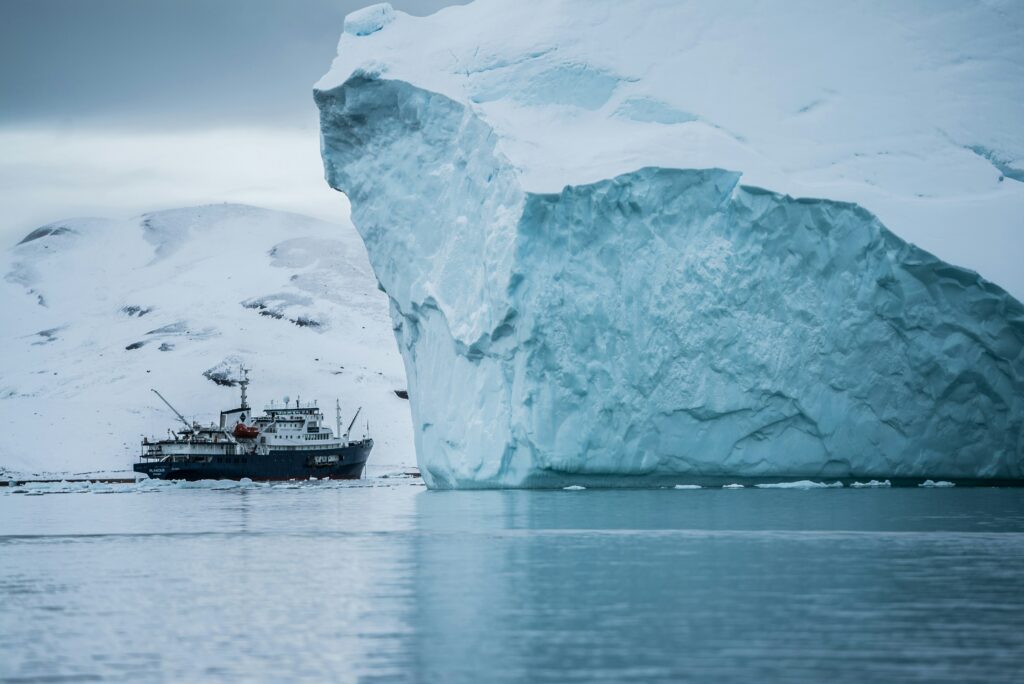
In 2013, the Environmental Security Program will examine the evolving security, energy, shipping, and environmental trends that will shape the Arctic region in the coming decades, and assess their implications for decision-makers and stakeholders. Sustainable development and sound management of this global commons will be prove critical to fully utilize and manage the vast
… Read More » -
Maritime Security and Policy Challenges
… Read More »
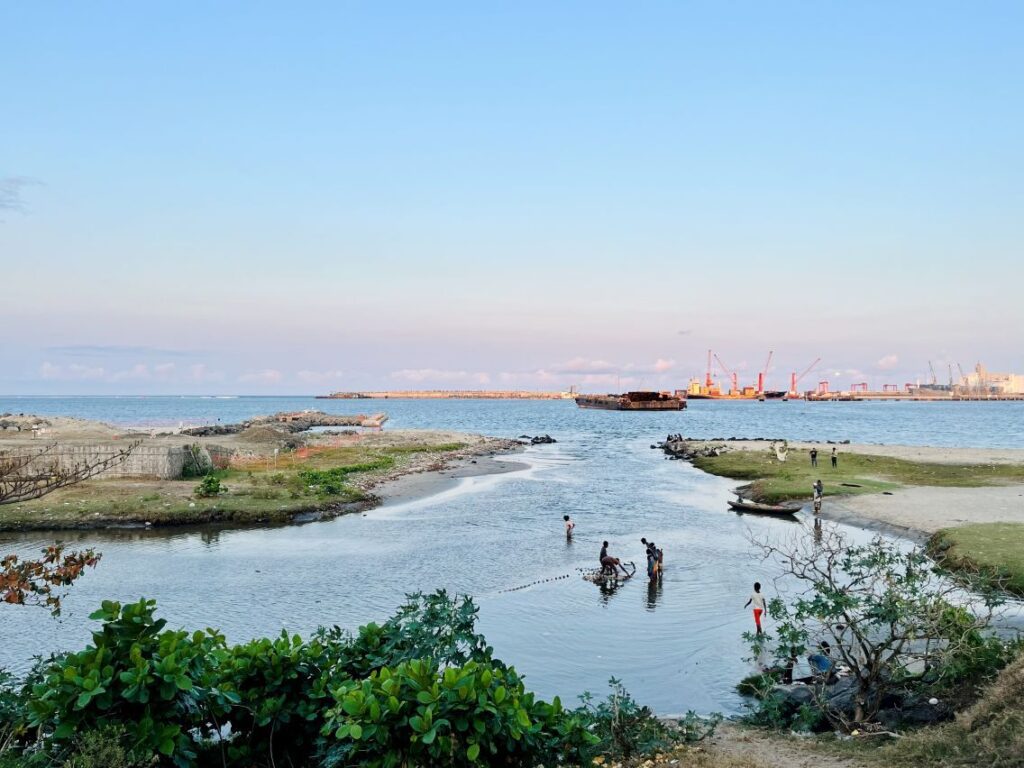
In 2012, the Environmental Security Program released Indian Ocean Rising: Maritime Security and Policy Challenges, a wide-ranging report exploring how the Indian Ocean and South China Sea are emerging as increasingly significant avenues for global trade and arenas for global security. In 2013, our research will continue to focus on the Indian Ocean and the South China Sea, but -
Global Security and the Urban Future

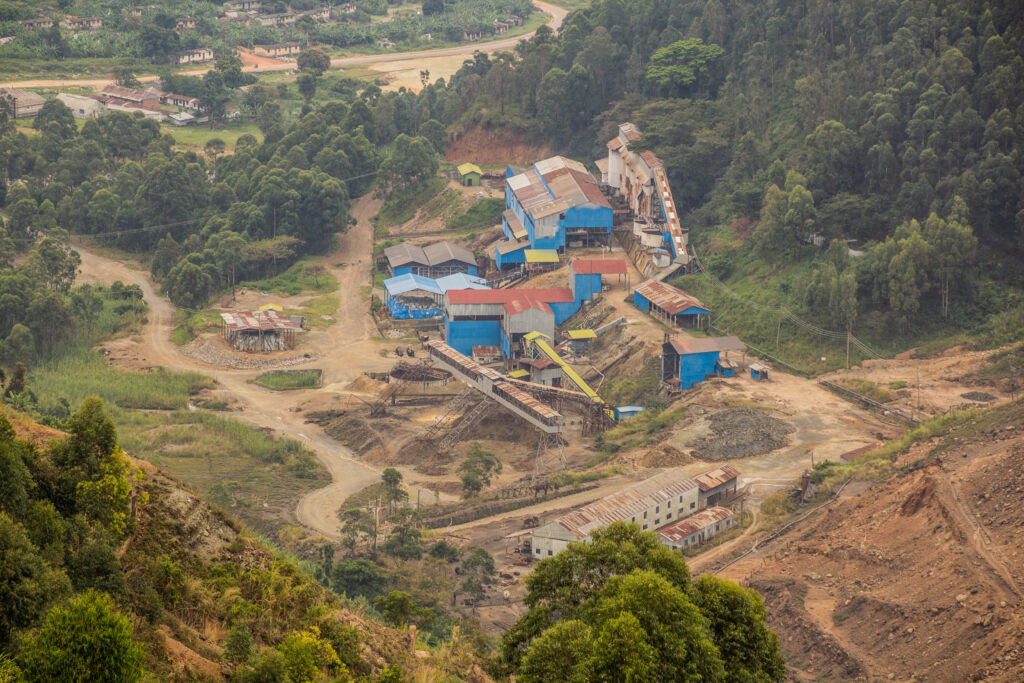
Over half of all people on earth - some 3.5 billion human beings - now live in cities. By 2050, over six billion people will live in urban areas. Recognizing that sound management of global urbanization processes will prove critical in shaping the twenty-first century world, the Environmental Security Program in 2013 will explore how urbanization intersects with multiple
… Read More » -
Fresh Water Resources
… Read More »
Policymakers face a host of overlapping demographic, socioeconomic, and environmental challenges as they strive to fulfill the world's growing water needs. Global climate change threatens to exacerbate these strains, generating both chronic pressures on water availability, such as shifting precipitation patterns, and acute crises, such as floods and droughts. In 2013, we will
Infographics
View All InfographicsVideos
-
April 23, 2013
2013 Environment and Security Discussion Series -
March 26, 2013
David Michel’s VOA Interview on Indus Basin Water -
March 21, 2013
Launch: Connecting the Drops: An Indus Basin Roadmap
Experts
-
David Michel Senior Associate | Director
Staff
- Russell Sticklor Research Analyst, Environmental Security Program
Affiliates & Fellows
-
Caitlyn Antrim Executive Director, Rule of Law Committee for the Oceans
-
Syed Iqbal Hasnain Consultant
-
Rupert Herbert-Burns Maritime Security Expert | Consultant