
The nuclear energy sector generates vast amounts of data and has been slow to adopt new technologies, traditionally relying on proven methods rather than pushing for disruptive innovation. On the other hand, AI technologies—like machine learning, large language models, and computer vision—can potentially provide significant economic and technical advantages for nuclear energy. However, their novel, black-box nature poses challenges in a highly regulated industry that demands safety, reliability, and security.
To address these challenges, the Canadian Nuclear Safety Commission (CNSC), UK Office for Nuclear Regulation (ONR), and U.S. Nuclear Regulatory Commission (NRC) released a groundbreaking document in September 2024: Considerations for Developing AI Systems in Nuclear Applications. While not regulatory guidance, it outlines key principles that all participants in the AI lifecycle should consider in the development and deployment of AI applications in the nuclear sector.
The Stimson Center and the Vienna Center for Disarmament and Non-Proliferation (VCDNP) are pleased to co-host this special webinar, bringing together the authors of the trilateral document to discuss how AI is impacting the nuclear sector and its governance.
Gretchen Stewart, Chief Data Scientist at Intel, will open the discussion, providing the backstory to the evolution of AI, its applications across sectors and its transformative potential.
Co-Hosted By


Featured Speakers

Gretchen Stewart, Principal Engineer, Chief Data Scientist, Intel Corporation (Opening Remarks)
Gretchen has over 25 years of experience in solution architecture, technical sales, business development, product management, systems analysis/design, management and quality assurance. Her specialties are in High-Performance Computing (HPC), data analytics – AI, ML business practices using digital twins, classical ML, GenAI focused to transform business. She has a B.S in mathematics, entrepreneurial MBA, along with data science and leadership certificated from Dartmouth and Harvard.
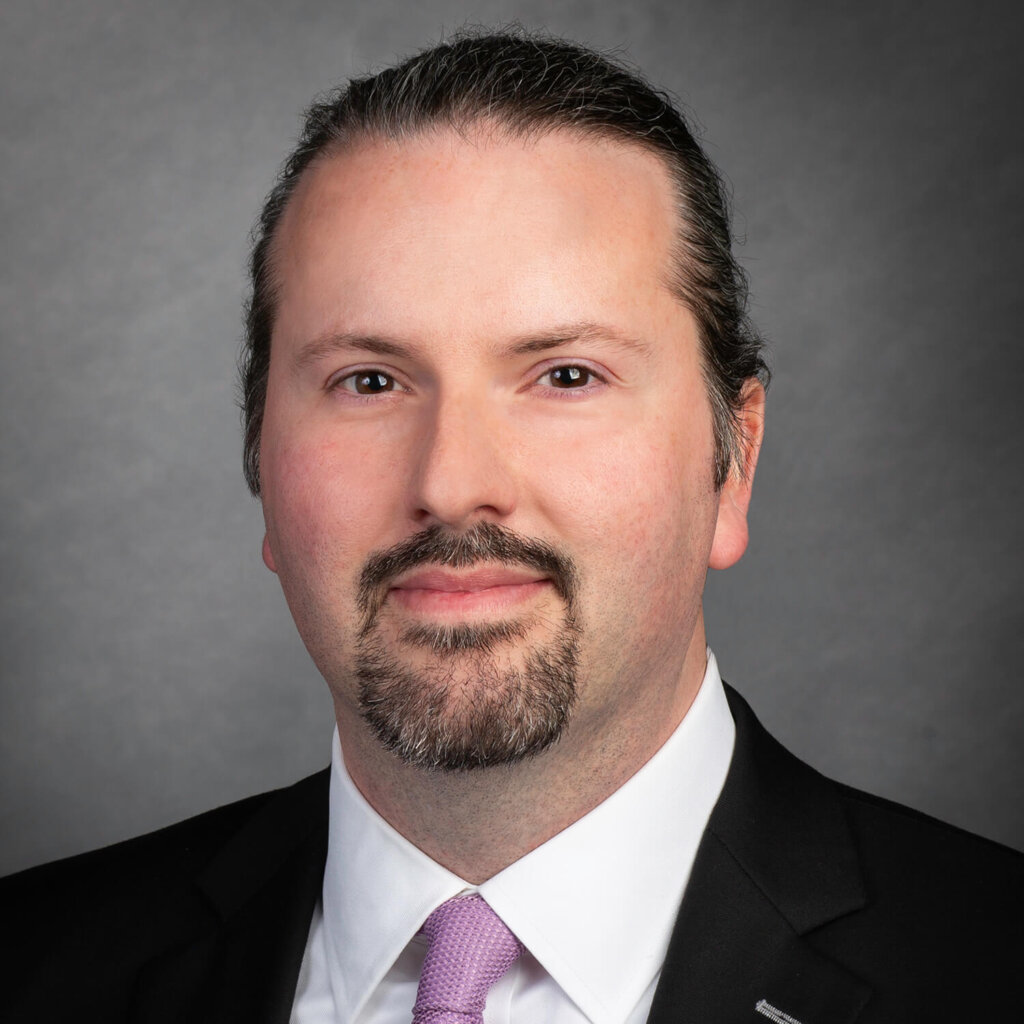
Matt Dennis, Senior Data Scientist, Office of Nuclear Regulatory Research, U.S. Nuclear Regulatory Commission
Matt Dennis currently leads the U.S. NRC’s efforts in developing and implementing the NRC Artificial Intelligence Strategic Plan. Additionally, Matt supports the development and maintenance of the MACCS consequence analysis suite of codes and conducts severe accident consequence analyses. Prior to joining the NRC, Matt held positions at Northrop Grumman and Sandia National Laboratories. He has a B.S. and M.S. in Nuclear Engineering from the Missouri University of Science and Technology.
Kevin Lee, Lead, Disruptive, Innovative and Emerging Technologies, Canadian Nuclear Safety Commission
For over five years Kevin has led the Canadian Nuclear Safety Commission’s (CNSC) team analyzing Disruptive, Innovative and Emerging Technology (DIET). This cross-functional team aims to ready the CNSC to evaluate and regulate nuclear activities that will implement DIET, particularly as it pertains to Artificial Intelligence. Prior to this Kevin worked on readying the CNSC’s regulatory framework for the regulation of Advanced Reactor Technology (ART) and Small Modular Reactors (SMRs). He is also active on numerous other policy and regulatory files at the CNSC across the broad spectrum of the Canadian nuclear sector, including fusion technologies.
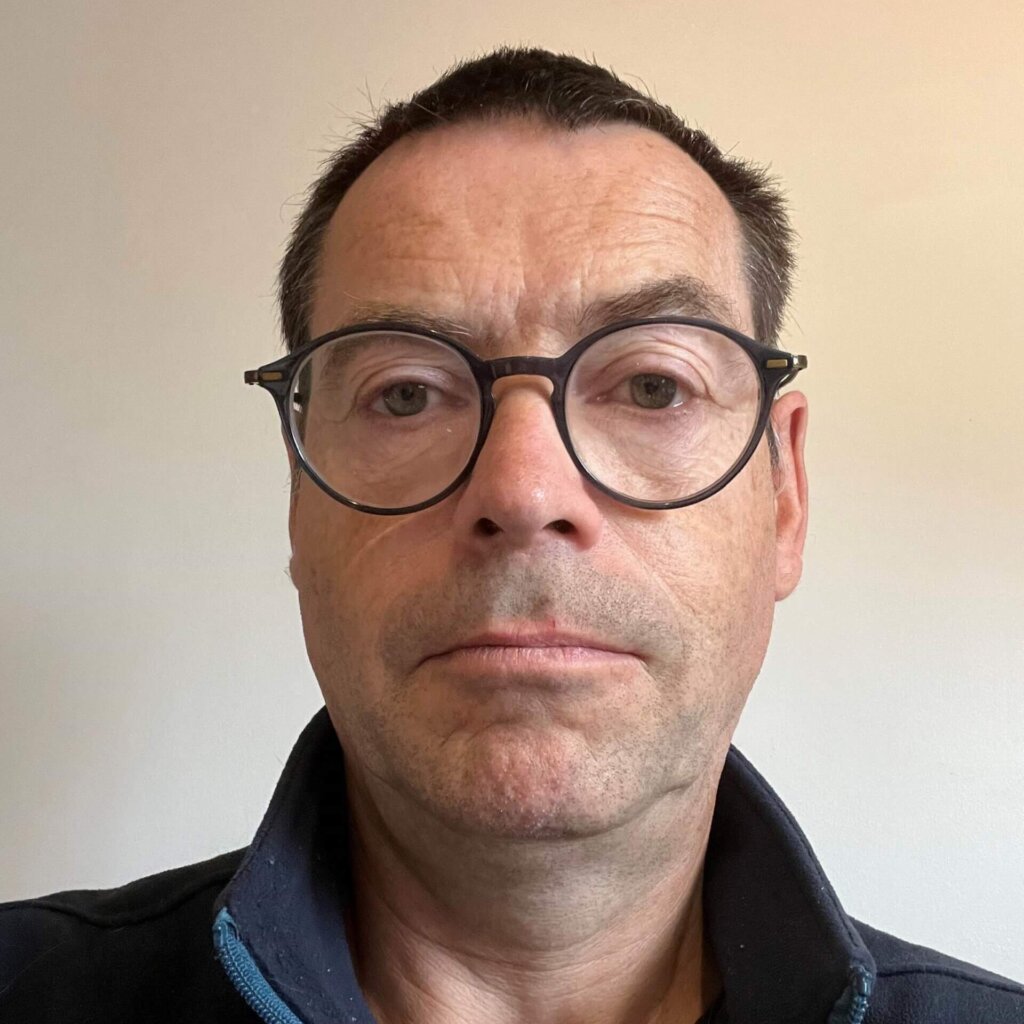
Andrew White, Superintending Nuclear Inspector: Head of Profession for the Electrical and Control & Instrumentation Engineering, UK Office for Nuclear Regulation
Andrew has been a safety inspector for over 20 years, investigating industrial accidents involving complex technologies, and making regulatory decisions on high hazard installations, the UK operating nuclear reactor fleet, assessing new reactor designs, and managing research into software and other high complexity systems. More recently Andrew has been the ONR lead for the regulation of AI technologies, working with licensees to understand the benefits and challenges of potential applications.

Sarah Case Lackner, Senior Fellow, Vienna Center for Disarmament and Nonproliferation (Moderator)
Before joining VCDNP in 2023, Dr. Lackner served as a Senior Nuclear Security Officer in the International Atomic Energy Agency’s Division of Nuclear Security. Prior to the IAEA, she held several positions in the U.S. Department of State and the US National Academy of Sciences’ Board on Nuclear and Radiation Studies. She has a PhD in Physics from the University of Chicago and a BA in Physics with honors at Columbia University.
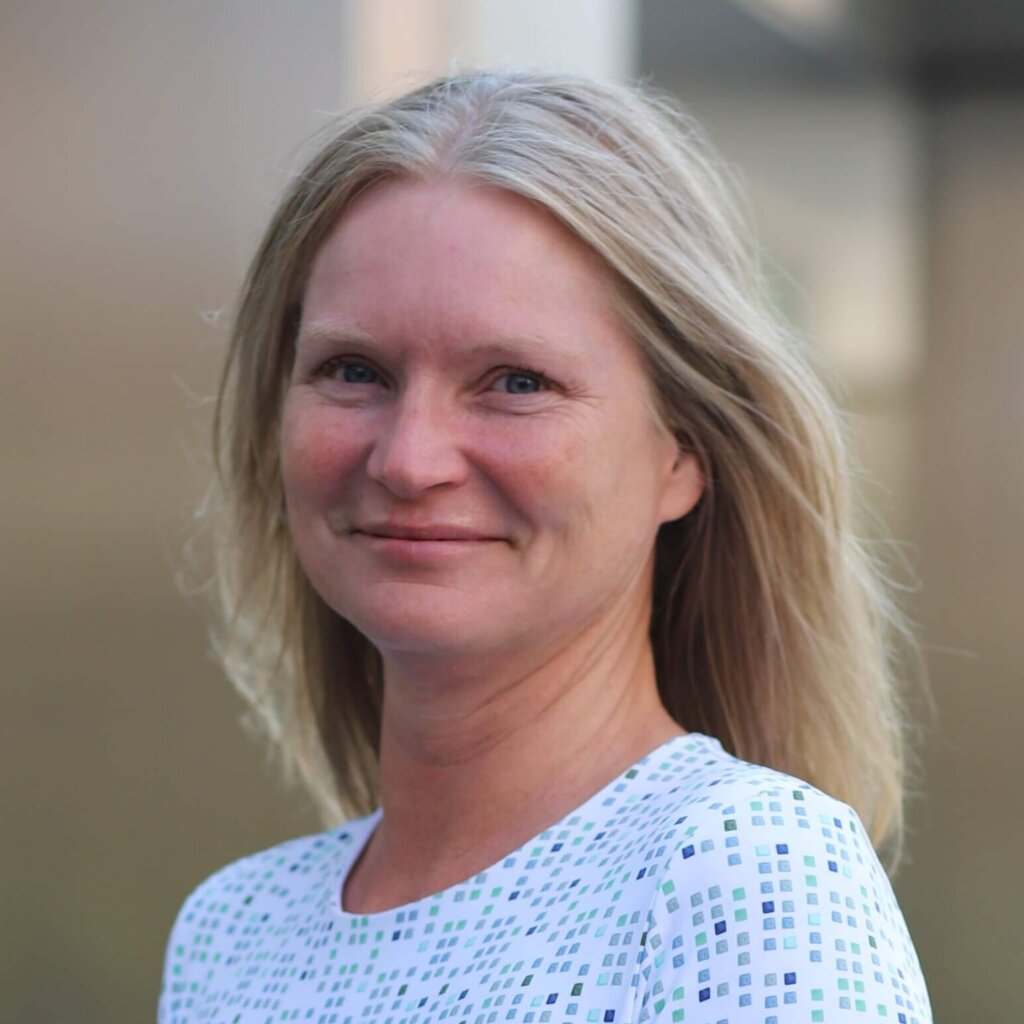
Cindy Vestergaard, Senior Fellow and Director, Converging Technologies and Global Security, Stimson Center (Moderator)
Dr. Vestergaard previously directed Stimson’s Nuclear Safeguards program (2016 – 2022) and the Blockchain in Practice program (2018 – 2022) and was a Nonresident fellow for both programs in 2023 when she served as Vice President, Special Projects and External Relations at DataTrails. Prior to Stimson, she held a variety of positions at the Danish Institute for International Studies, Global Affairs Canada, and as an external lecturer at the University of Copenhagen.