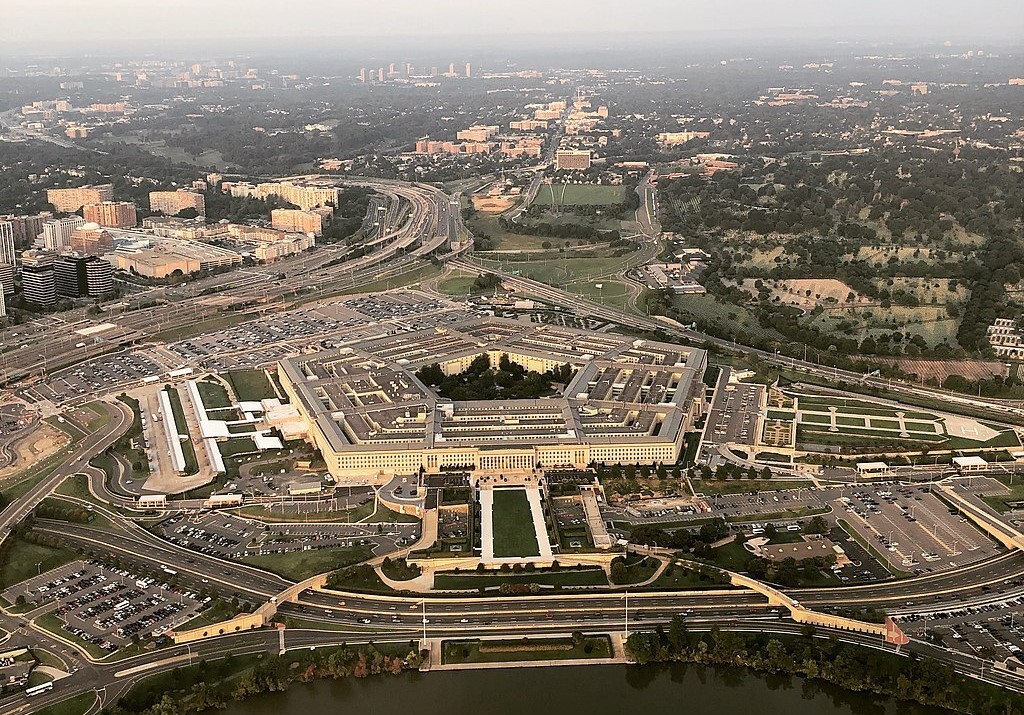
At least since the First World War, national security policymakers have sought to tap social science expertise, as part of broader efforts to marshal the national’s full arsenal of scientific resources, to advance United States national security. The results of those efforts have varied over time, with more success coming during wartime or periods of more intense international competition. The Department of Defense’s recent Minerva Research Initiative is the most recent such effort, launched in 2008 in the wake of the 9/11 terrorist attacks and the on-going wars in Afghanistan and Iraq. The 9/11 attacks are almost twenty years in the past now, and the wars in Afghanistan and Iraq have largely wound down, so the time is propitious to take stock of this latest effort to mobilize social science for national security, identifying lessons learned and practices for future implementations. Our goal is to avoid the all-too-common historical pattern of reinventing the social science and national security wheel.









You can opt out at any time. We respect your privacy and will not sell your personal information. See our privacy policy for more.