European leaders have finally shed their distaste for the George W Bush-era phrase “coalition of the willing”. As they repeatedly convene to discuss ongoing support for Ukraine, their choice of name is both unfortunate and ironic. Europe’s leaders were once too weak to stop the US’s coalition from invading Iraq. And thus far, all their new coalition has done is highlight that it’s too weak and too indecisive to actually help Ukraine.
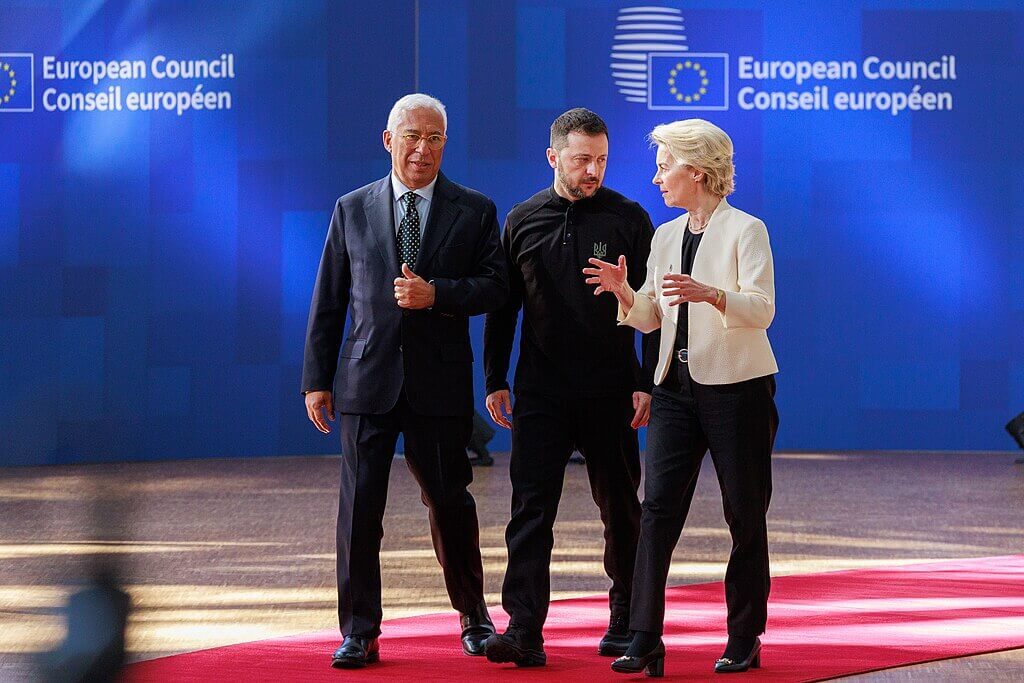
The coalition of the willing sounds impressive. Since February, meetings involving 30 nations have been held in Paris, London and elsewhere to discuss how to fill the vacuum left by the US pullback, and to “reassure, support and protect Ukraine”. In early May, British Prime Minister Sir Keir Starmer, French President Emmanuel Macron and their German and Polish counterparts travelled to Kyiv, where they proposed a 30-day ceasefire and promised to “ratchet up pressure on Russia’s war machine”.
In practice, though, the coalition remains paper thin. Europe is keen to provide Ukraine with replacements for missing US supplies, but it’s struggling to procure the weapons Kyiv needs fast enough and at a reasonable cost. Many of the commitments made will take years to appear on a battlefield. And even the promised punitive sanctions on Russia for rejecting a ceasefire amounted to little more than additional EU designations of ships transporting Russian oil.
Read the full article on Financial Times.