
Twenty young Americans have died in a series of V-22 Osprey crashes over the past two years. Since the revolutionary tilt-rotor aircraft began flying in 1989, 57 Ospreys have suffered significant accidents killing a total of 62 service members and injuring another 93.
The House Oversight Committee (notably not the Armed Services Committee) held a hearing on June 12 to listen to testimony about the program’s safety concerns. Members were told the Osprey would continue to fly for short trips in spite of a known faulty part while engineers try to devise a permanent fix.
It is easy to fixate on Osprey crashes when they happen because, as a transport aircraft, they can kill a lot of people in a single instant. What has been overlooked is what the Osprey represents in a larger pattern of DoD acquisition failures.
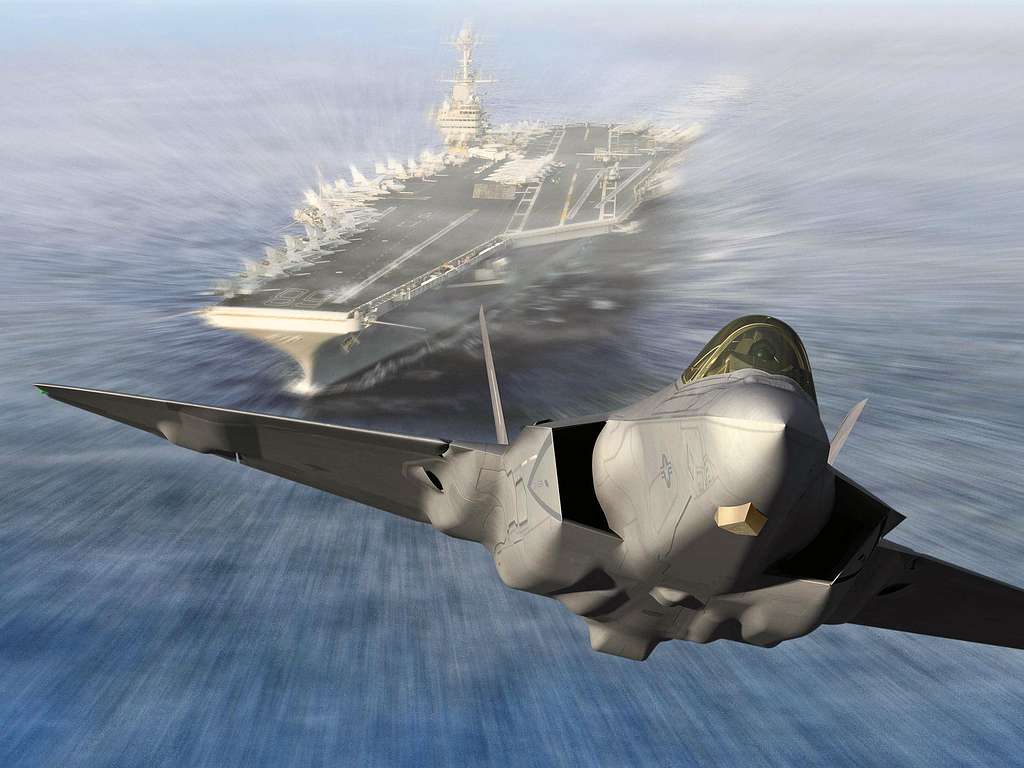
In many respects, the Osprey led the way in a trend towards ever-increasing complex weapons programs. Instead of iterating on the tried-and-true CH-46 Sea Knight helicopter program it was meant to replace, Marine Corps leaders fully invested themselves on an untested and underdeveloped program based on entirely new and more complex technology.
The Osprey’s mission is straightforward. It is supposed to move people and things from one place to another. The Marine Corps had been doing that successfully with helicopters for decades. Rather than building another helicopter, service leaders decided to build a revolutionary aircraft that can take off and land like a helicopter but fly like a fixed-wing airplane. That may look good on paper, but the concept has come with a steep cost.
Read the full article on Responsible Statecraft.








Community Adaptation for a Water Festival Without Clean Water