
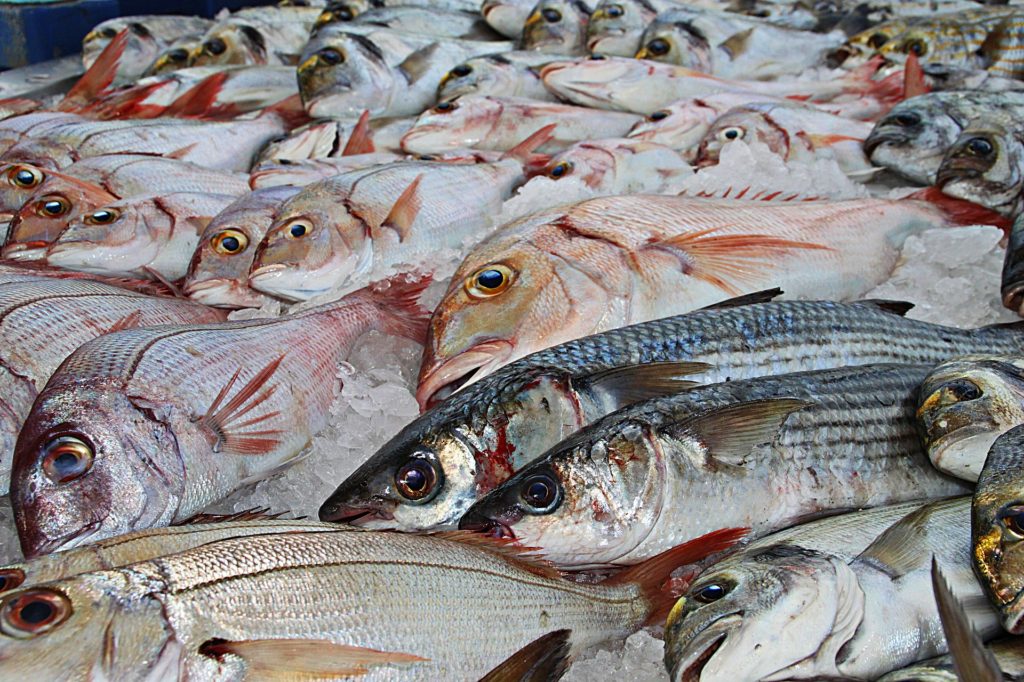
A recent investigation carried out by Oceana found one in every five fish it tested in the US to be mislabeled. The study sampled species not currently covered by the US’s Seafood Import Monitoring Program (SIMP) in order to examine their vulnerability to seafood fraud in the absence of the program’s traceability measures. It found species were substituted in order to mask unsustainable sources or disguise lower value species. Fraud also occurred as result of a lack of awareness on labeling rules. Mislabeling and seafood substitution ultimately undermine consumer efforts to buy sustainable, local, or healthy fish. It can also negatively impact law-abiding fishermen and local fisheries that struggle to compete with illegally sourced fish that have been laundered into the market. In order to curb seafood fraud, the study recommended that the scope of SIMP expand to include more species.









Community Adaptation for a Water Festival Without Clean Water