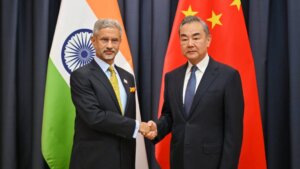
The visit served to clarify India’s nuanced position on the conflict, conveying that India is neither aligned with Russia nor neutral in the situation. The policy adopted by New Delhi in this regard is “de-hyphenation,” a strategy of conducting independent foreign policy with two adversarial states
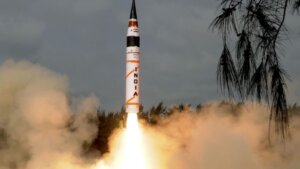
The likelihood of successful arms control arrangements between India and Pakistan is low due to a hostile geopolitical environment, India’s nuclear modernization, and the limited utility of traditional arms control
In the last decade, the priority of U.S. policy in the region has transitioned from concerns of an India-Pakistan war, the problems in Kashmir, and the worries of nuclear weapons proliferation to pushing back against Chinese military and economic influence and maintaining a favorable balance of power in the Indo-Pacific
With an interim government in place, ensuing elections, and potential shifts in geopolitical partners due to changing political alliances on the horizon, the trajectory of the Rooppur nuclear power plant project is fraught with uncertainty
As India transitions to a unified command structure, Pakistan needs to ensure it maintains deterrence vis-a-vis India and keep the regional equilibrium
While rightly focusing on the restoration of law and order in Bangladesh, this transitional government must also prioritize foreign policy goals based on current domestic and geopolitical realities