
Disconnected: How Innovation in Telecoms Can Disrupt Scam Outreach

Everyone has received fraudulent text messages or phone calls, ranging from government impersonation to IT support texts to “wrong number” outreach that can evolve into elaborate investment scams. Americans receive an average of 377 scam attempts a year, and surveys from the Global Anti-Scam Alliance show that text/SMS is the most reported method of outreach, […]
Next Steps for US-Japan Military Shipbuilding, Repair, and Maintenance

Expanded US-Japan cooperation in military shipbuilding, repair, and maintenance is one promising area for both countries to pursue as part of their broader goals to enhance their domestic shipbuilding industries. Deepening US-Japan industrial cooperation in this area can build on past successes in co-development and co-production of defense-related equipment as well as cooperation in military […]
The AI Inflection Point: How the US and Taiwan Respond to AI’s Economic Security Challenges
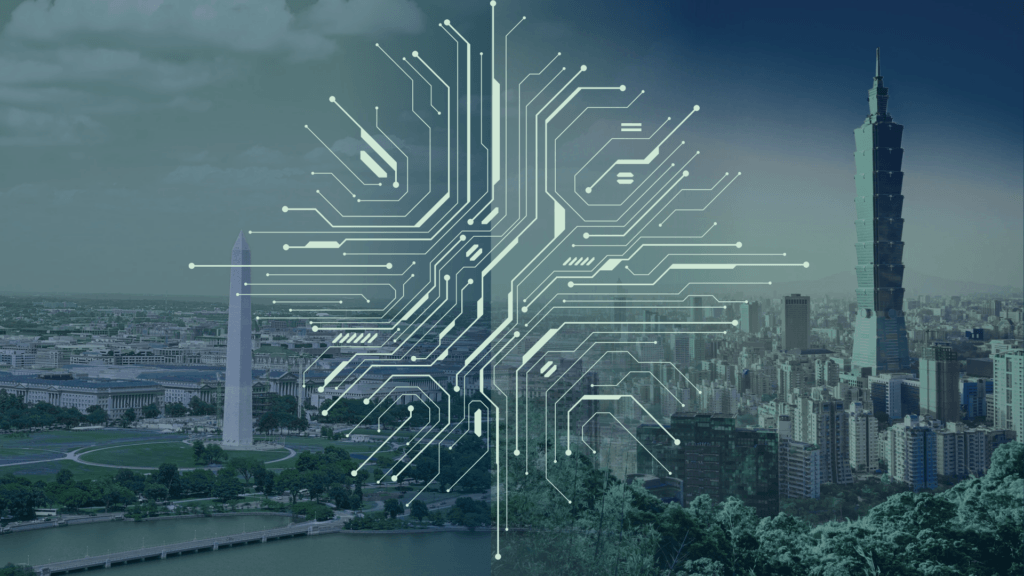
In January 2026, Taiwan signed a joint statement with the United States endorsing the Trump administration’s Pax Silica initiative on AI supply chain security. As the AI race continues, the economic security opportunities and challenges of AI will require a careful response from the U.S. and Taiwan, with each playing a vital role in the […]
The Early Warning/Response Gap
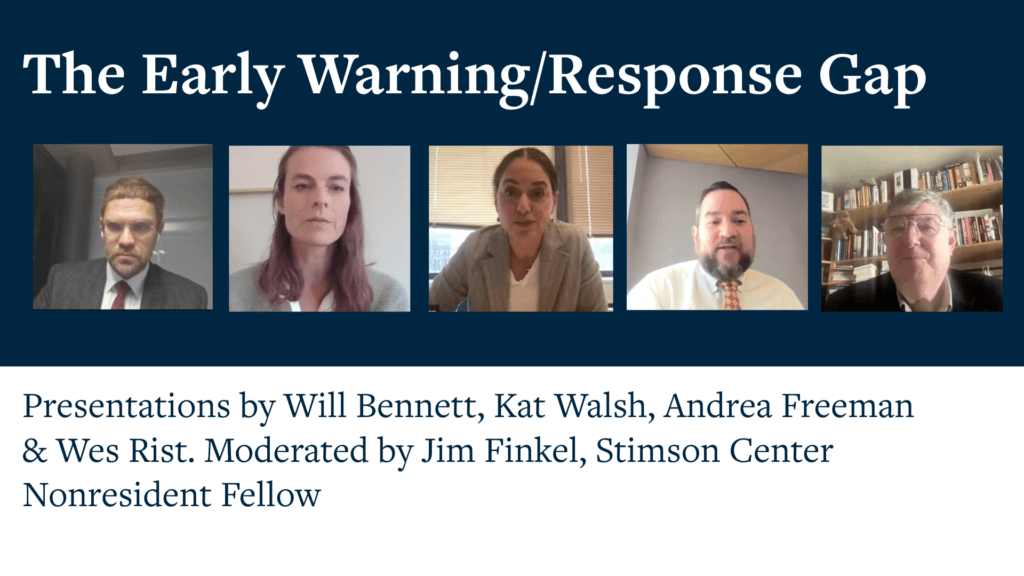
Will Bennett, Fellow at The Centre on Armed Groups, will walk us through a co-authored recent essay published through NYU’s Center on International Cooperation on the Early Warning/Response Gap. Three former US officials, Kat Walsh, Andrea Freeman, and Wes Rist, who have wrestled with this issue across several administrations, will offer some thoughts. Presenters Moderator
Pursuing North Korea’s Denuclearization in an Era of Strategic Drift: Voices from Japan
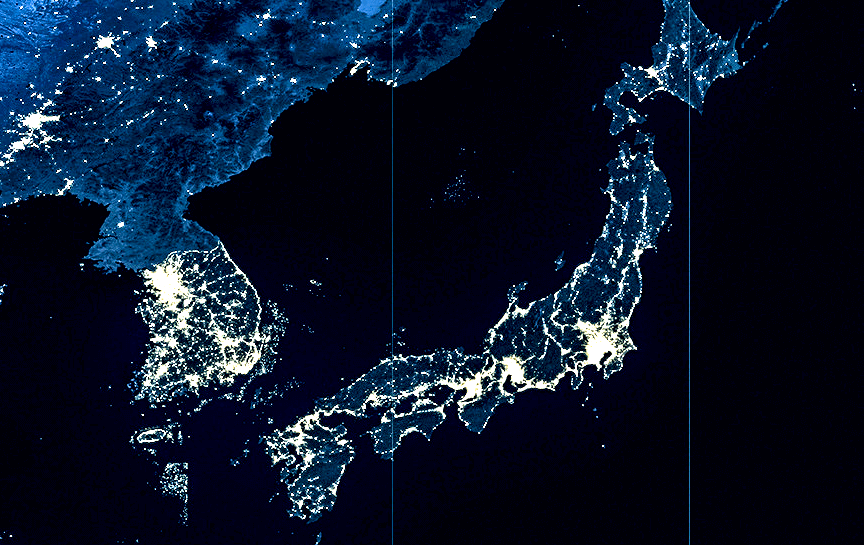
Despite stringent international economic sanctions imposed primarily through the United Nations Security Council, North Korea’s progress in nuclear and missile development as well as in its nuclear doctrine has been remarkable, particularly since negotiations with the Trump administration stalled in 2018-19. North Korea’s position that denuclearization is nonnegotiable was again emphasized at their most recent […]
AI and the Future of Open-Source Intelligence

This webinar, cohosted by the Stimson Center’s Strategic Foresight Hub and Energy, Water, and Sustainability Program, explores how AI-driven systems are transforming the practice of OSINT and broadening its applications across security, governance, and sustainable development. Panelists will examine the technologies powering this shift, from pipelines that draw social media and satellite data into analysis […]
Protecting Water in the Mining Rush: Lessons from Africa and Southeast Asia
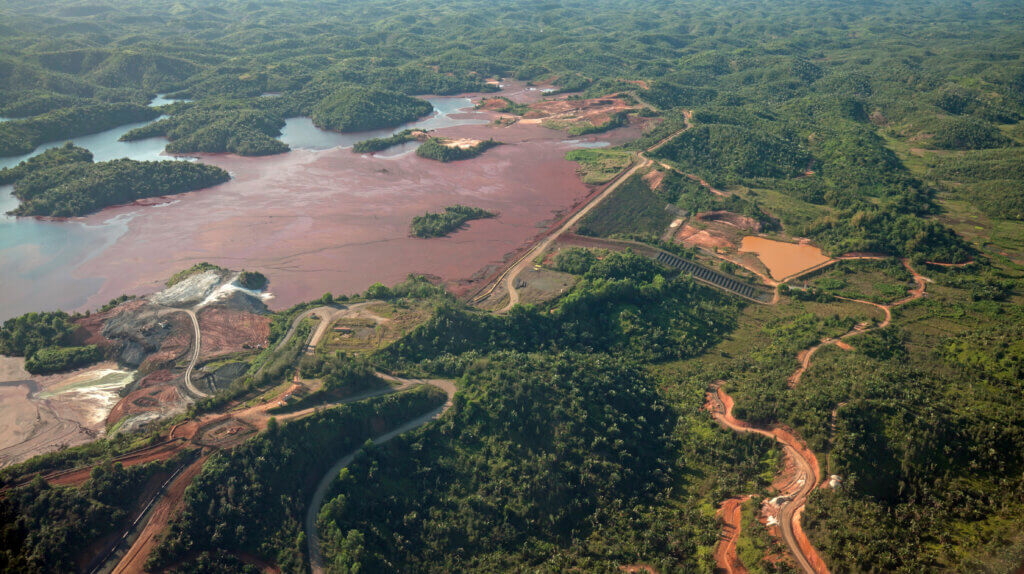
Amid the global rush to secure critical minerals, there is a growing spotlight on mining’s impact on water, from extraction practices that strain water availability in dry regions to water pollution from mining waste. In mainland Southeast Asia, the Stimson Center’s Southeast Asia Program is tracking the proliferation of unregulated mining alongside rivers, exploring implications for local communities, riparian ecosystems, and agricultural production. In Africa, a series of toxic spills in Zimbabwe and the DRC, and the recent tailings dam collapse at a copper […]
Libya’s Economic Future: A Conversation with Jonathan Winer

The Stimson Center’s North Africa, Mediterranean & Sahel Program invites you to a public discussion on the political and economic factors shaping Libya’s recovery more than a decade after the 2011 uprising. Drawing on his recent analysis, “Making Libya Investable Again,” Jonathan Winer will discuss why Libya—despite possessing significant hydrocarbon resources and renewed international interest—remains […]