
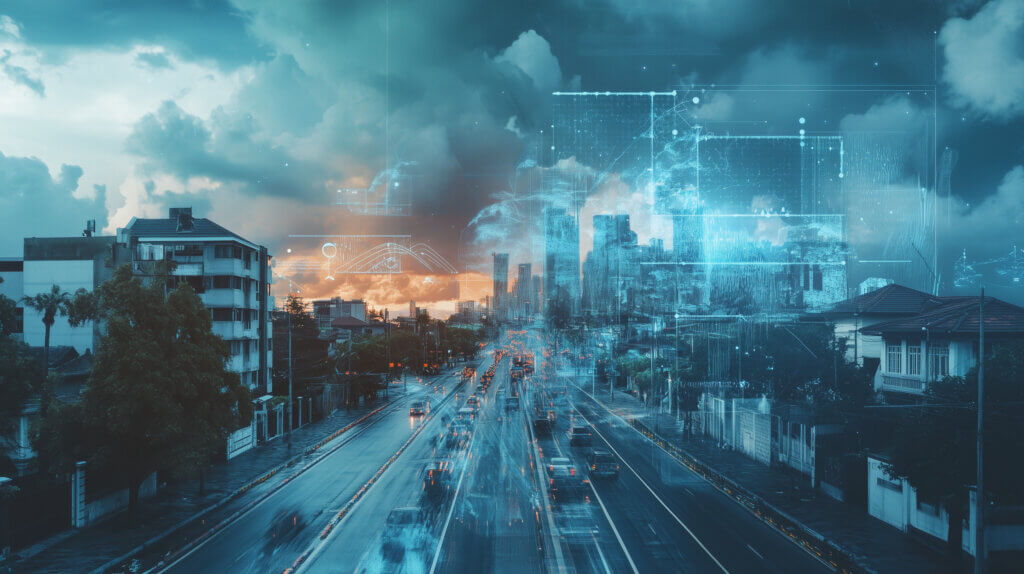
This discussion will consider how AI-enabled systems affect humanitarian aid, disaster preparedness, and community resilience, with technical examples such as predictive modeling for resource distribution and risk mapping. Panelists will also explore vulnerabilities introduced by these systems — including surveillance misuse, inequitable access, and unintended harm — and the ethical responsibilities involved in designing and governing technologies that directly affect people’s safety and rights.
Featured Speakers
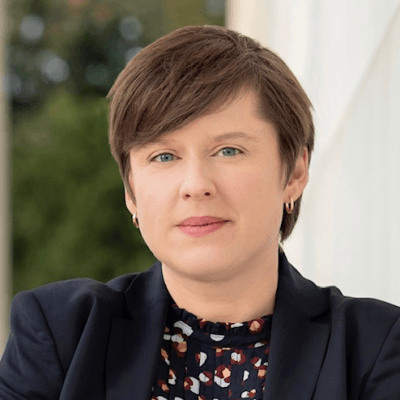
Susan Wolfinbarger, Program Manager, Geospatial Consulting Group International
Dr. Susan Wolfinbarger is the former director of the Geospatial Technologies and Human Rights Project at the American Association for the Advancement of Science (AAAS), where she pioneered the use of remote sensing to document human rights violations around the world and, as part of that role, submitted expert evidence for international legal proceedings.
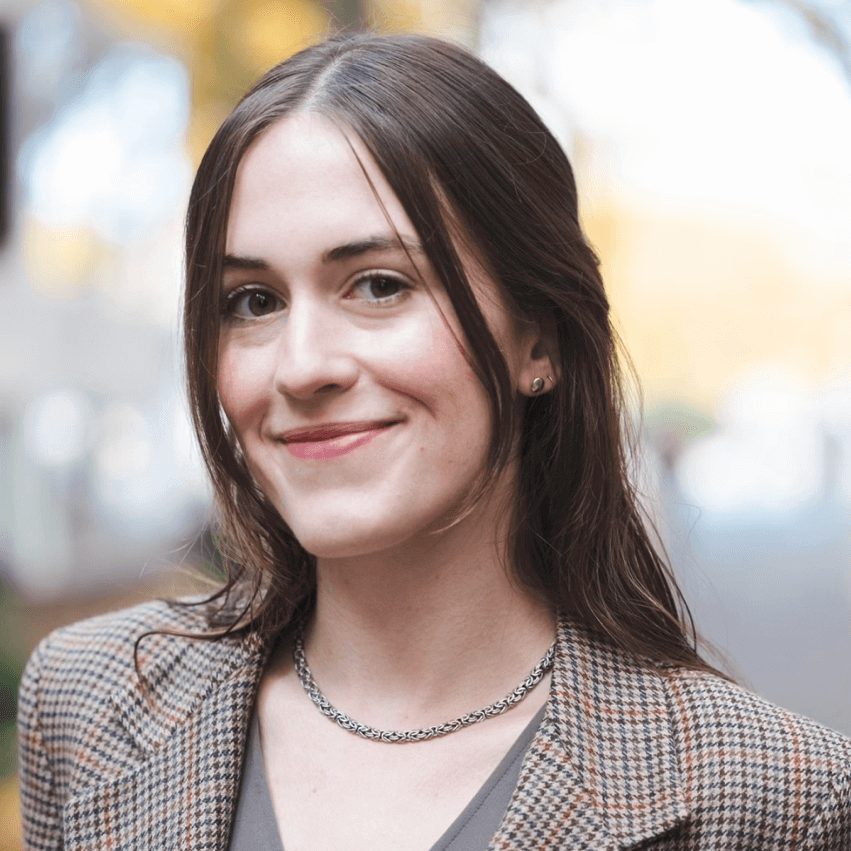
Giulia Neaher, Research Analyst, Responsible AI Fellowship Project Strategic Foresight Hub, Stimson Center
Giulia Neaher is a Research Analyst with the Strategic Foresight Hub at the Stimson Center, where she leads projects on AI policy and the sociopolitical impacts of emerging technologies.

Austin Lord, Senior Fellow & Nepal Lead, The Stimson Center
Austin Lord, Ph.D. is the Senior Fellow in the Energy, Water and Sustainability program at the Stimson Center. His research focuses on disaster and climate risk management, water and energy policy, infrastructure development, and environmental governance.
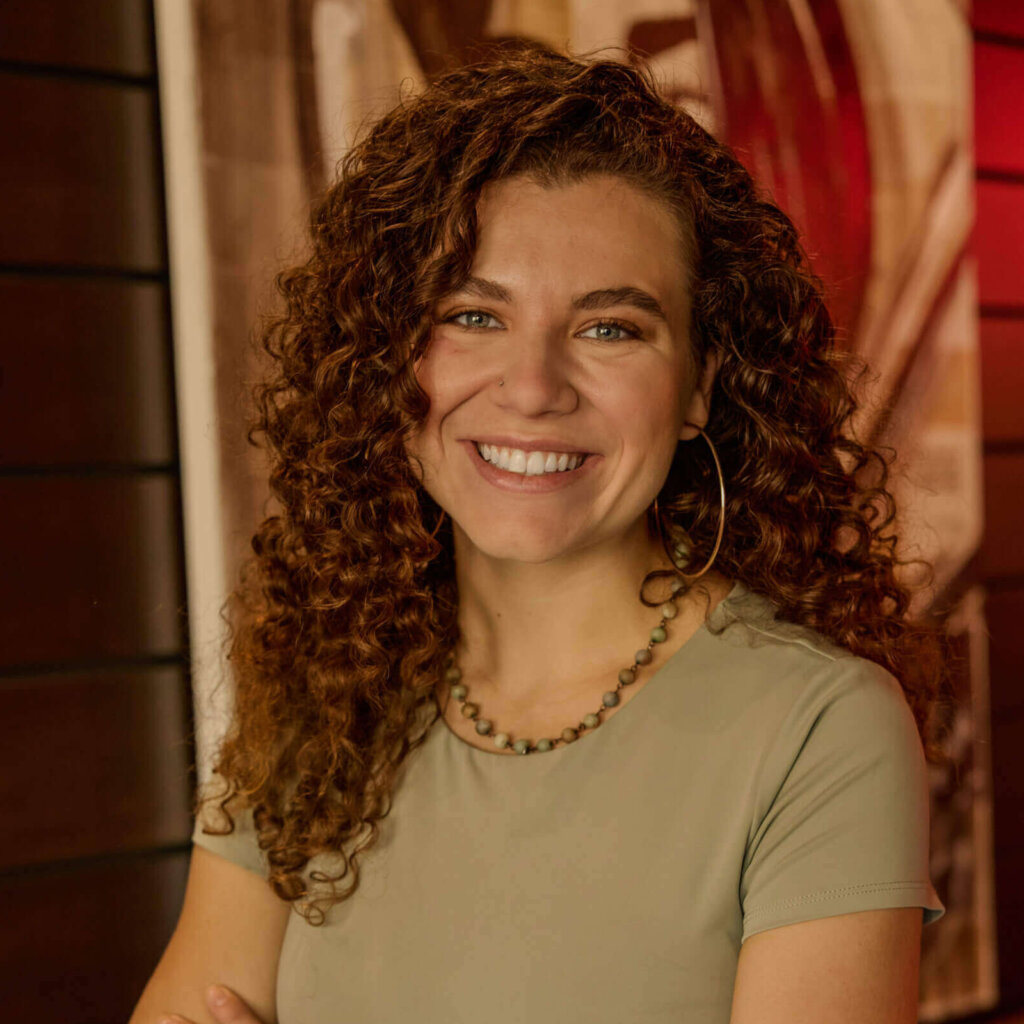
Rachael Lau, Loomis Council Member, Stimson Center (Moderator)
Dr. Rachael Lau is an engineer and researcher specializing in geospatial intelligence, disaster risk, and applied AI. Her work bridges research, policy, and field operations, with experience supporting partners across government, academia, and the development sector.