
Advances in artificial intelligence and neurotechnology are rapidly reshaping the relationship between technology and the human mind, raising urgent legal and ethical questions. Devices capable of recording, decoding, or altering brain activity are already used in medical treatment, while emerging systems can translate neural signals into text with striking accuracy. At the same time, consumer neurotechnologies are generating unprecedented access to highly sensitive neural data, bringing concerns about mental privacy and autonomy to the forefront.
Organized by the Washington Foreign Law Society in collaboration with the Stimson Center and Harvard’s Carr-Ryan Center for Human Rights, this webinar examines how international law can respond to the risks and opportunities posed by neurotechnologies, and whether emerging legal frameworks can safeguard mental integrity, agency, and privacy in an AI-driven era.
Featured Speakers
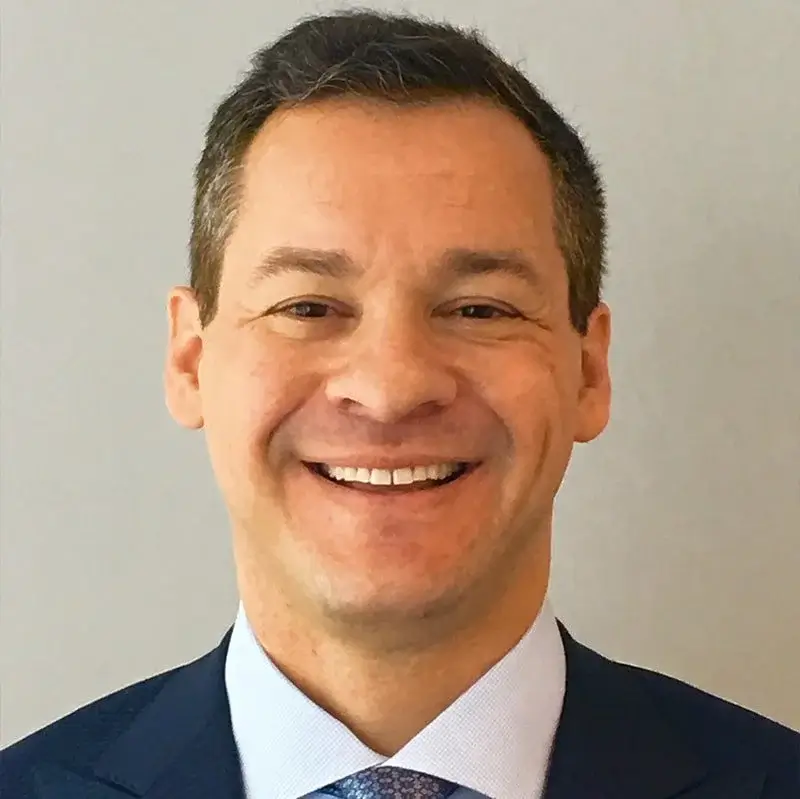
Jared Genser, International Human Rights Lawyer, Managing Director, Perseus Strategies

Giulia Neaher, Research Analyst, Strategic Foresight Hub, Stimson Center

Alexandra Bochnakova, President, Washington Foreign Law Society.