
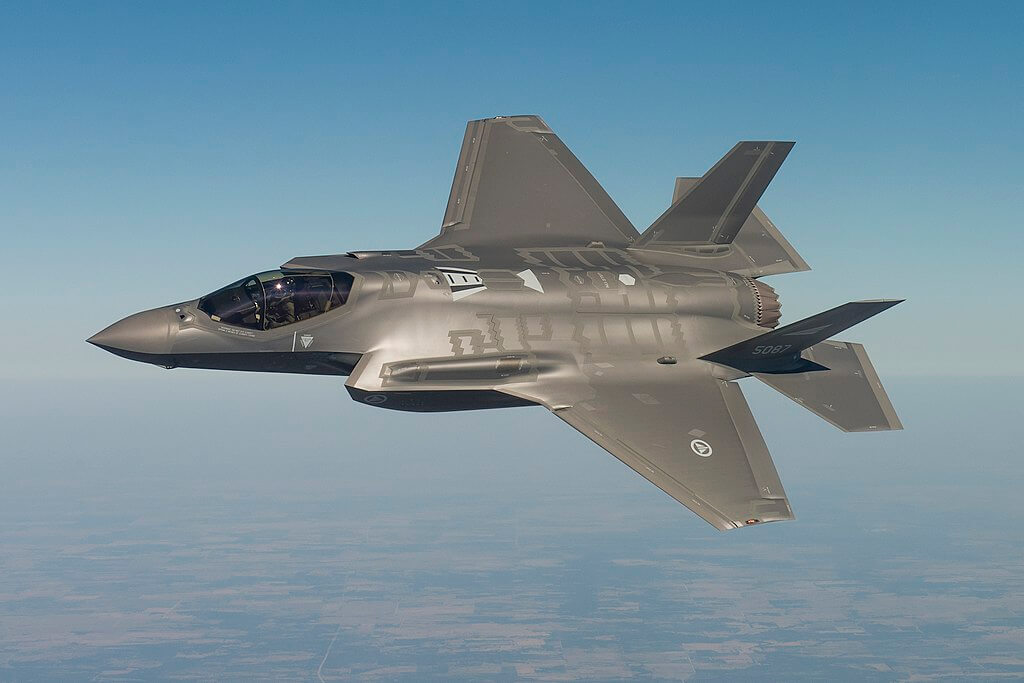
The Senate Armed Services Committee recently voted to inflate national security spending by $25 billion, a dangerous increase to an already superfluous budget.
Spearheaded by Mississippi Senator Roger Wicker, the proposal invokes the Reagan-era mantra of “peace through strength.” But a larger budget won’t make Americans any safer.
Runaway national security spending is integral to the never-ending pursuit of US military dominance. This pursuit is dangerous to both US democracy and the world because it encourages militarism — not just at home but abroad. So the notion that increased budgets automatically translate to enhanced safety and global influence is misguided. It reflects decisionmakers’ unwillingness to make difficult tradeoffs on foreign and defense policy matters.
Bigger budgets also do not, by virtue, bolster national power. Instead they can lead to unnecessary expenditures on non-essential weapon systems, further ingraining non-competitive military contractors into the US economy at great opportunity cost. Overfunding national security programs can undermine military readiness by diverting resources from critical security needs and complicating strategic decision-making at the Pentagon. The department already struggles to make these decisions due in part to expansive, unrealistic, and unclear strategic guidance from the administration.
Further increasing the national security budget can exacerbate this issue. Evermore spending pushes the United States toward strategic insolvency while providing increasingly marginal returns in military capability. Despite what the White House and policymakers might think, the United States has political and economic limits. It cannot and should not do everything, everywhere, all at once. More spending is economically irresponsible and dangerous, as it risks sparking arms races with other countries.
Read the full article in Inkstick.









Community Adaptation for a Water Festival Without Clean Water