
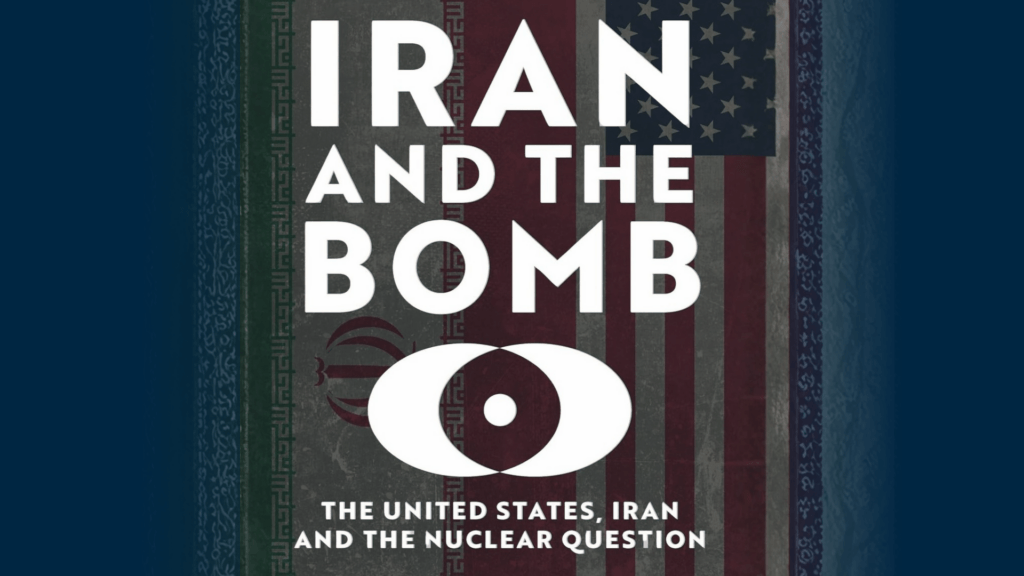
Among the many reasons for the long hostility between the U.S. and Iran that has twice erupted into warfare over the past year is fear that Iran would develop nuclear weapons.
To understand the origins and possible trajectory of this program, the Stimson Center has invited Sina Azodi, author of a ground-breaking new book, “Iran and the Bomb,” to discuss his findings, which include interviews with Iranians who began the country’s nuclear work under the Shah, as well as those who pursued the program following the 1979 revolution. Azodi examines the motives for Iran’s nuclear advances and the ways in which they have remained consistent despite changes in the regime and the regional and international political climate.
Nuclear and arms control advocate Kelsey Davenport will contribute expert analysis of U.S. policy toward Iran, its successes and failures, and possible solutions to promote non-proliferation and conflict resolution.
Featured Speakers

Barbara Slavin, Distinguished Fellow, Stimson Center
Barbara Slavin is a distinguished fellow at the Stimson Center in Washington and a lecturer in international affairs at George Washington University. Prior to joining Stimson, she founded and directed the Future of Iran Initiative at the Atlantic Council and led a bi-partisan task force on Iran. The author of Bitter Friends, Bosom Enemies: Iran, the US and the Twisted Path to Confrontation (2007), she is a regular commentator on US foreign policy and Iran on U.S. and international media.
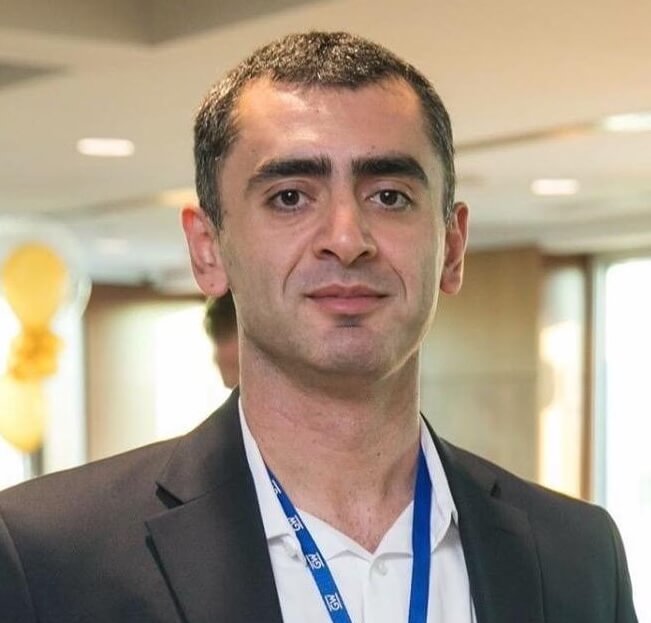
Sina Azodi, Assistant Professor of Middle East Politics; Director of the Middle East Studies (MES) MA Program, George Washington University
Sina Azodi is Assistant Professor of Middle East Politics and Director of the Middle East Studies MA Program at George Washington University. The author of a new book, “Iran and the Bomb: the United States, Iran and the Nuclear Question,” Dr. Azodi’s research interests include international security, nuclear nonproliferation, Iranian politics and U.S.-Iran relations. A frequent commentator on both English- and Persian-speaking media, his analyses have appeared in the Bulletin of Atomic Scientists, Arms Control Association, the Stimson Center, the Center for Strategic and International Studies, and Foreign Policy, and he has been quoted by the New York Times, Washington Post, Spiegel, and Forbes. He earned his BA and MA in international affairs from the Elliott School of International Affairs at the George Washington University, and his PhD from University of South Florida.
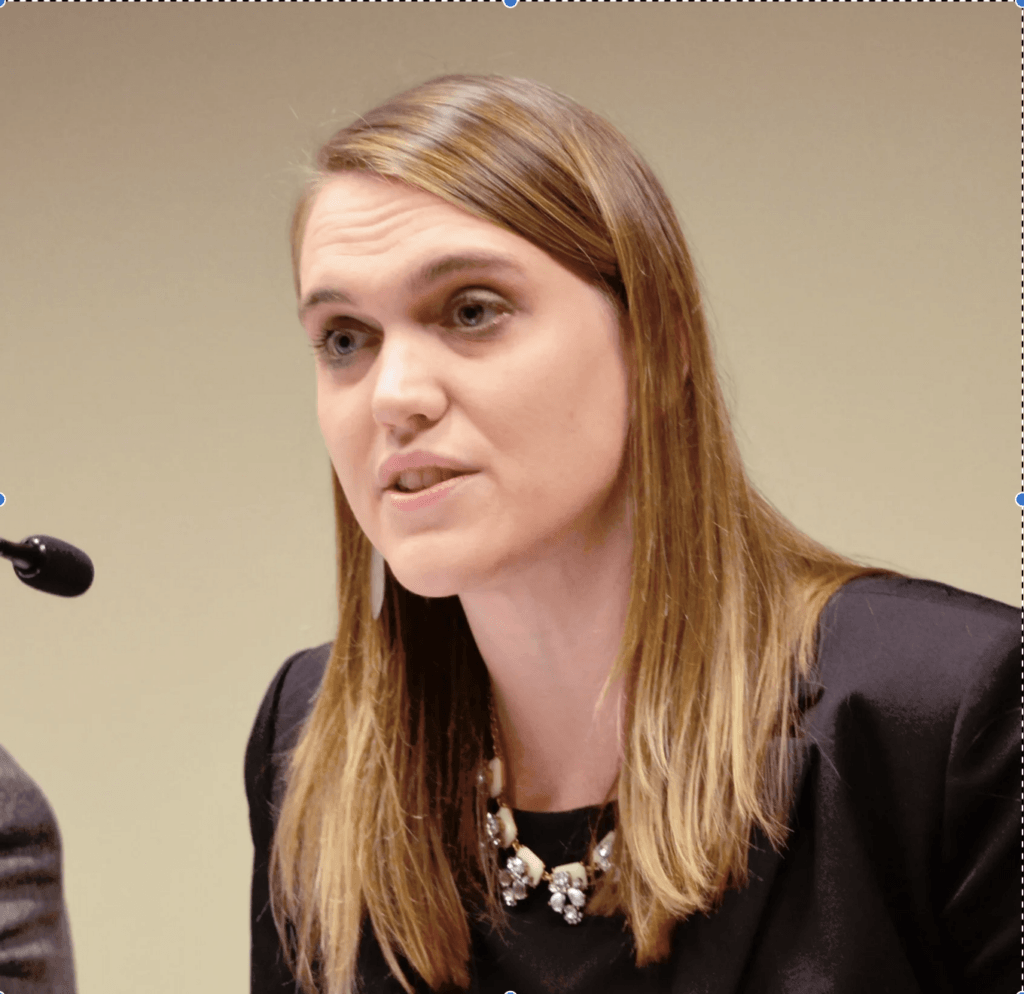
Kelsey Davenport, Director for Nonproliferation Policy, Arms Control Association
Kelsey Davenport is the Director for Nonproliferation Policy at the Arms Control Association, where she focuses on the nuclear and missile programs in Iran and North Korea and on international efforts to prevent proliferation and nuclear terrorism. She reports on developments in these areas for Arms Control Today and runs the Arms Control Association’s project assessing the effectiveness of multilateral voluntary initiatives that contribute to nonproliferation efforts.