2024
Explore how our programs informed critical decisions, fostered transformative partnerships, and delivered meaningful change across the globe this year
Counting 2024: Impact by the Numbers
2024
Explore how our programs informed critical decisions, fostered transformative partnerships, and delivered meaningful change across the globe this year
Counting 2024: Impact by the Numbers
Stimson released over 505 publications, hosted 88 public events, and garnered over 35,000 media hits, reflecting a year of unparalleled impact. These numbers underscore Stimson’s growth and commitment to producing actionable insights, convening global stakeholders, and influencing critical policy dialogues.
Publications
0
Public Events
0
Media Hits
0
+
Years of Impact
0
Celebrating 35 Years of Impact
This year, the Stimson Center celebrated its 35th anniversary with a series of special events that highlighted our legacy of impact and charted the course for our future. The anniversary series brought together policymakers, practitioners, experts, and supporters from around the globe to reflect on Stimson’s contributions over the past three-and-a-half decades. From thought-provoking panel discussions to commemorative gatherings, these events underscored our enduring commitment to fostering dialogue, driving innovation, and delivering solutions to today’s most urgent challenges. As we look ahead, these celebrations reaffirmed the vital role Stimson plays in shaping a more secure, just, and sustainable world.
https://youtu.be/ytFwPAnoUdI
Beyond the Horizon: Outlining Risks and Opportunities in 2024
With opening remarks from Ravi Agrawal, Editor-in-Chief of Foreign Policy
January 24, 2024
A Conversation with U.S. Navy Secretary Carlos Del Toro
Del Toro outlines his vision for resilient U.S. maritime statecraft leveraging naval diplomacy for global security.
April 23, 2024
A Conversation with U.S. Deputy Secretary of State Kurt Campbell
Deputy Secretary of State Kurt Campbell examines Indo-Pacific tensions, competition, and partnership opportunities.
June 12, 2024
US Perspectives and Priorities for the UN Summit of the Future
Amb. Michele Sison and Dr. Esther Brimmer preview the summit and U.S. expectations and goals.
July 17, 2024
The Future of the US-Moldova Partnership
Amb. Viorel Ursu discusses U.S.-Moldovan ties amid rising uncertainties and efforts for closer collaboration.
July 23, 2024
A Conversation with U.S. Army Secretary Christine Wormuth
Secretary Wormuth discusses lessons from Ukraine, NATO relations, and the Army’s strategic presence in the Indo-Pacific.
September 12, 2024
Strategy, Security, and Diplomacy in the Indo-Pacific
Stimson Indo-Pacific experts assess the greatest opportunities and risks in the region.
September 17, 2024
Building America’s Warfighting Navy with CNO Lisa Franchetti
Admiral Lisa Franchetti, Chief of Naval Operations discussed her first year’s achievements and the Navy’s future.
December 3, 2024
Analyzing the Year the World Votes
In 2024, as over half the world’s population headed to the polls, the year earned the title “the year the world votes.” From Taiwan’s pivotal election—poised to impact the Indo-Pacific—to India’s historic general election—the largest democratic exercise in history—and the highly consequential U.S. presidential election, major votes shaped the global landscape. Stimson Center experts provided rapid analysis and real-time responses, offering insights into the broader foreign policy implications of these landmark events.
Complementing these efforts, the fifth installment of the Stimson Presidential Inbox series presented actionable policy recommendations for addressing pressing international challenges, emphasizing steps that can be swiftly implemented by the U.S. President.

A forward-looking series providing actionable solutions to the global challenges facing the next U.S. president, grounded in practical policy guidance for immediate executive action.
At the Table: Leading Global Conversations
Through our Indo-Pacific Initiative, Stimson brings unmatched global expertise to the table to address the complex challenges shaping one of the world’s most dynamic regions.
This initiative fosters dialogue on critical issues, from security and governance to sustainable development, ensuring the Indo-Pacific remains a focal point of collaboration and innovation. By driving these conversations, Stimson is enhancing understanding and cooperation in a region central to global stability and prosperity.
Explore the work & meet our experts

As the Arms Trade Treaty (ATT) marked its 10th anniversary, Stimson convened key stakeholders to assess its first decade of implementation and chart a course for its future. The comprehensive analysis brought together treaty drafters, policymakers, and civil society experts to evaluate progress, identify gaps, and offer actionable recommendations. By fostering dialogue and collaboration, Stimson reinforced its role as a leader in driving transparency and accountability in the global arms trade.
Learn more about the ATT at 10
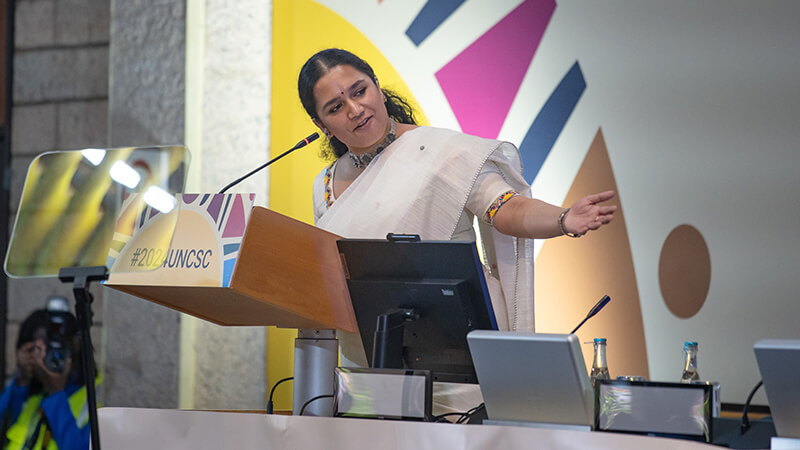
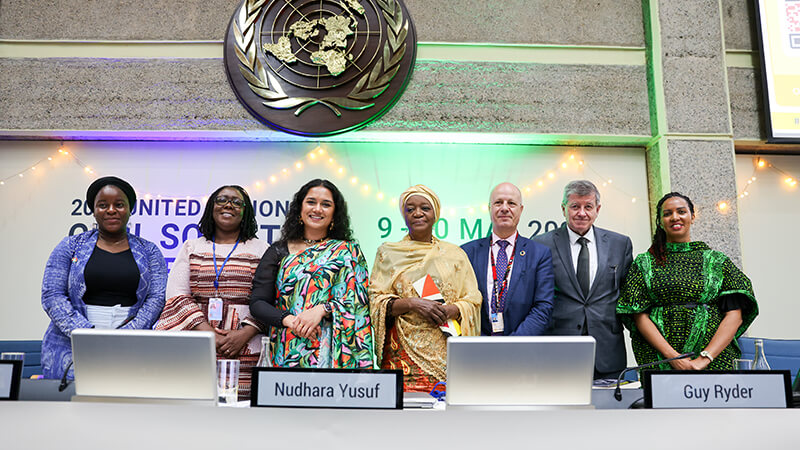
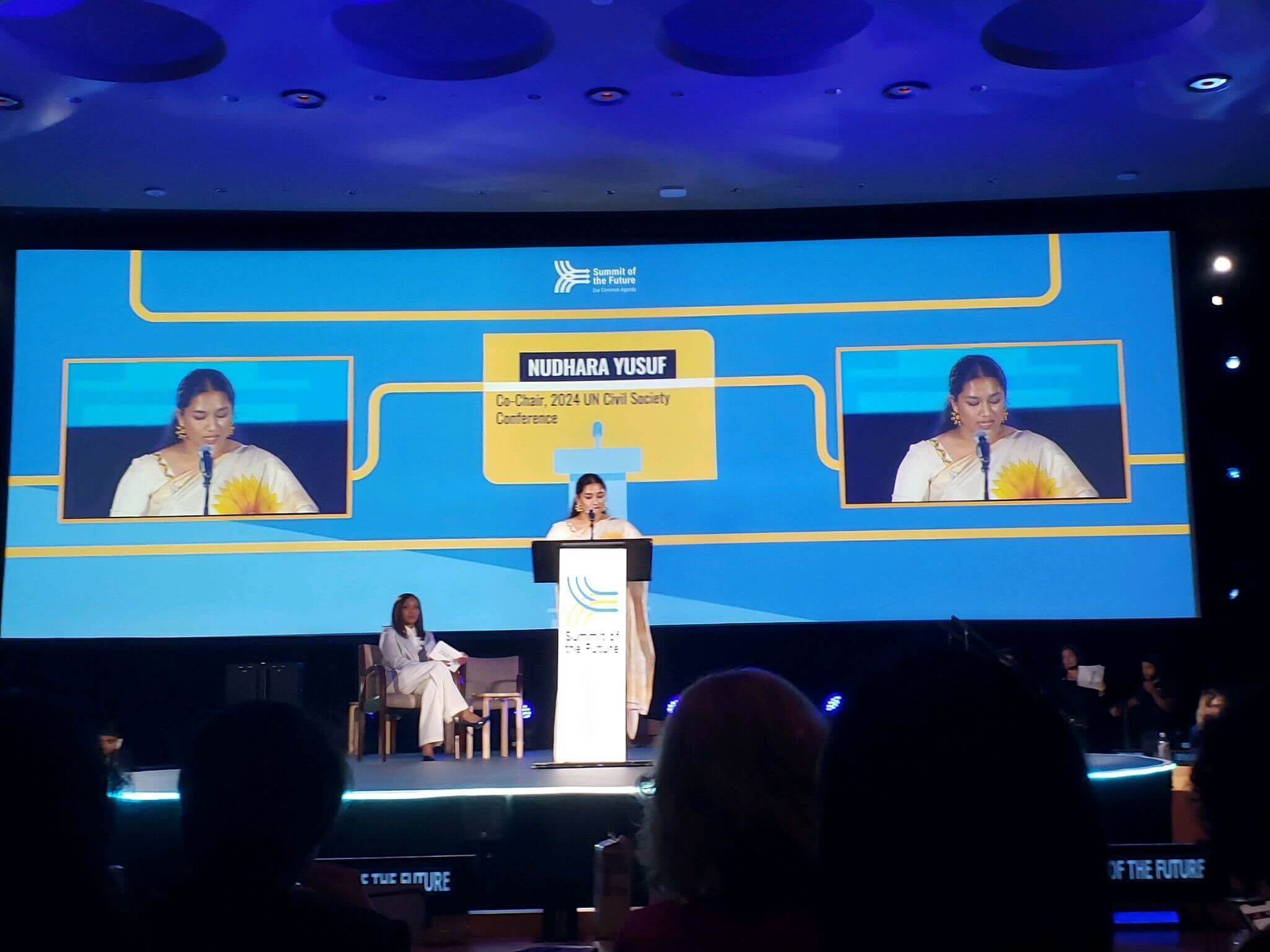
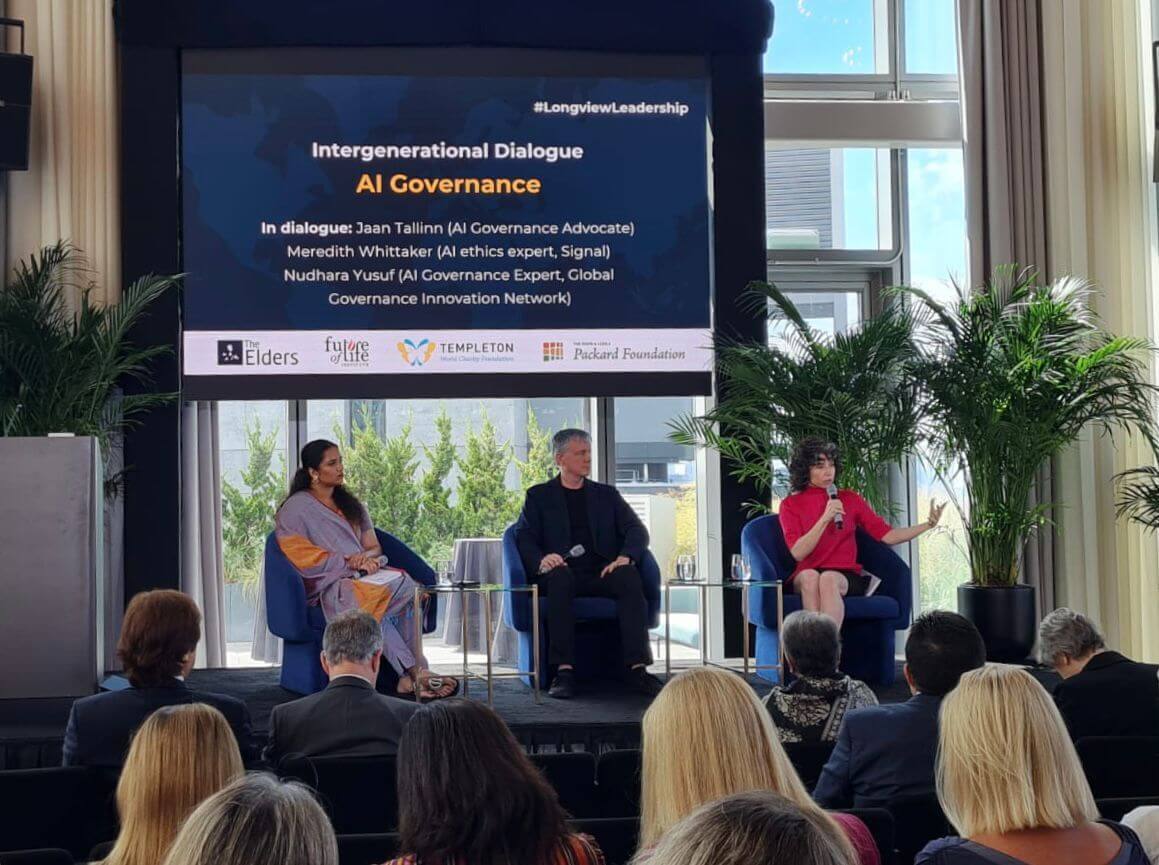
Ahead of the UN’s highly anticipated Summit of the Future, Stimson’s Nudhara Yusuf served as one of three co-chairs for the 2024 UN Civil Society Conference in Nairobi, drawing over 3,000 attendees from 1,400 organizations, 22 UN entities, and countless grassroots CSOs, academics, and policy practitioners. Yusuf also contributed to the ImPact for the Future outcome package presented at UNGA79 in September.
“I think what surprises me most is how few people realize the potential impact of this summit. Never before have we seen so much on the table. The Summit’s outcomes span everything from arms trade, to food security, counterterrorism, to education, to human rights, artificial intelligence, green tech, environmental governance, peacebuilding, Security Council reform, youth engagement, debt and tax, trade, going beyond GDP, and so so much more.”
Nudhara Yusuf, Research Associate
Stimson’s expertise has been highly sought by UN Security Council members, with the Cyber Program presenting its research on cyber deterrence and global governance mechanisms in a closed briefing. A new Stimson project will explore the Security Council’s role in addressing cyber peace and security, sparking critical discussions on how the UNSC can adapt to a digital world and enhance accountability.
More on Cyber Security in the UN Security Council Project
2024 marked a year of significant developments in U.S.-Japan relations. In April, then-Prime Minister Fumio Kishida visited Washington for an official state visit, reinforcing bilateral ties. Just months later, Kishida’s surprise resignation in August triggered a September leadership election, followed by a snap general election a week after Shigeru Ishiba was elected as his successor. Throughout these pivotal moments, Stimson’s Japan Program provided real-time analysis of Japan’s shifting political landscape, examining its regional implications for the Indo-Pacific and the evolving U.S.-Japan relationship.
In fall 2024, Stimson’s Converging Technology and Global Security Program launched its Nuclear Disruption series, beginning with an event examining the unprecedented transformation of the nuclear sector across civilian and military domains. The event featured Under Secretary of State for Arms Control and International Security Ambassador Bonnie Denise Jenkins, alongside experts from the private sector, journalism, and public policy, discussing the shifting nuclear landscape—from energy to defense.
A related policy memo in the series delves into the transformation of the civilian nuclear sector, driven by decarbonization efforts, geopolitical tensions, and emerging technologies reshaping energy security.
https://youtu.be/Yadv7eYWmqc
October 22, 2024
Check out the policy memo:
Driving Solutions Through Global Partnerships
In 2024, Stimson celebrated the second year of its strategic partnership with Microsoft on the Global Perspectives Responsible AI Fellowship Program, which centers on incorporating diverse AI expert perspectives from the Global South. The program examines AI applications and their impacts in developing countries, focusing on how AI-related harms and benefits manifest across social, cultural, economic, and environmental contexts. Together, the Fellows work to identify both technological and regulatory solutions to mitigate risks and maximize opportunities.
This collaboration reached new milestones in 2024. Microsoft Chairman and CEO Satya Nadella highlighted the Responsible AI Fellowship in his annual letter to shareholders, underscoring its global significance. Additionally, Stimson hosted a salon conversation in Seattle with Microsoft’s Chief Responsible AI Officer, Natasha Crampton, bringing together current and former Microsoft experts alongside leading voices from the tech community. The discussion explored what is needed to responsibly and effectively deploy AI on a global scale.
https://youtu.be/iNHtr__0HRkhttps://youtu.be/Taejoiyst18
https://youtu.be/9strSpqOnJYhttps://youtu.be/sBAAhEKyQ5Qhttps://youtu.be/ba47YOJJoXwhttps://youtu.be/Nkxgog-8cJA
In 2024, Stimson embraced the opportunity to maximize cross-programmatic collaboration. Partnering with the Southeast Asia program, Stimson’s Cyber Program is sounding the alarm on the increasing threat of online scam operations in the Indo-Pacific. Through a new initiative, the program is uniting a diverse network of stakeholders—including government officials, law enforcement agencies, researchers, and private sector leaders—to advance cooperative action through targeted research and constructive dialogue.
Recognizing the complexity of addressing chemical weapons proliferation, Stimson’s Partnerships in Proliferation Prevention program convened a diverse range of stakeholders to drive meaningful progress in strategic chemical trade control enforcement. During workshops held this spring, Stimson brought together private sector cheminformatics software developers, government officials, customs representatives, and strategic trade control experts from 13 countries. Participants explored vulnerabilities in trade controls and examined the latest tools designed for chemical regulatory compliance, security, nonproliferation capacity building, and strategic trade management. This collaborative effort underscored the importance of innovative solutions in strengthening global chemical security.
Building Regional Pathways to Peace
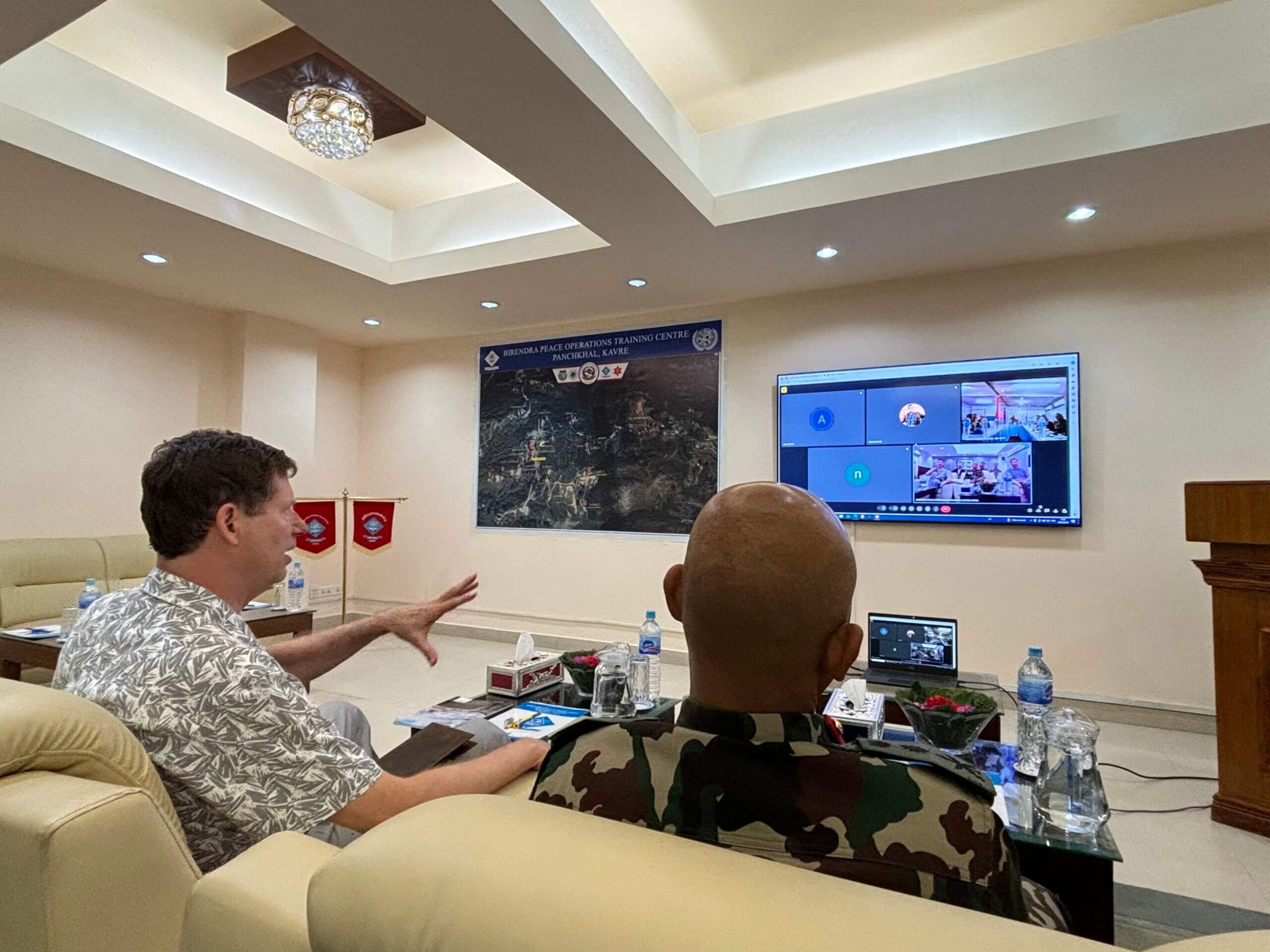
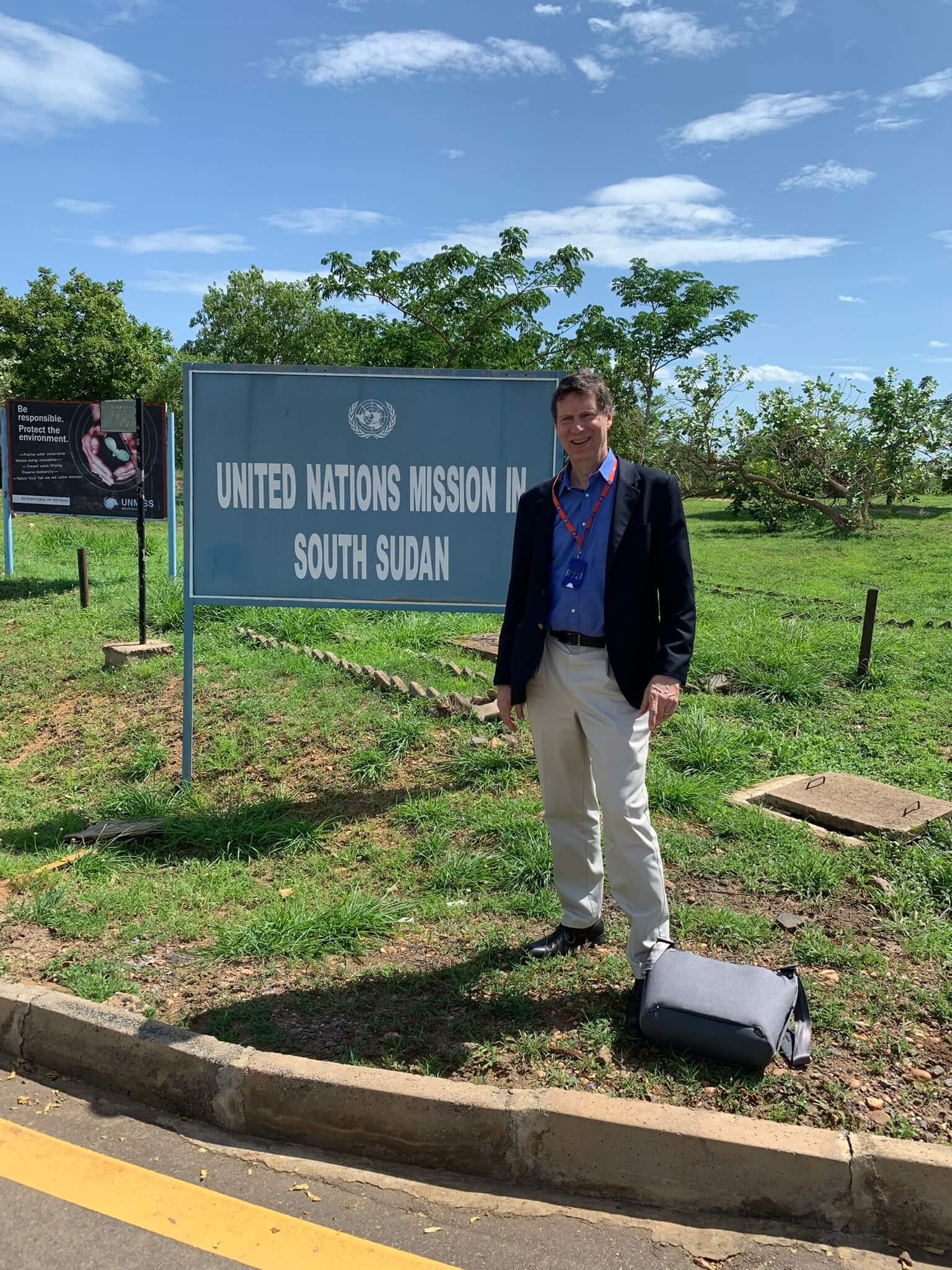
From Dhaka to Juba, Stimson scholars are collaborating with regional stakeholders to develop resilient, locally-driven solutions for peace and civilian protection. In 2024, the Protecting Civilians and Human Security program conducted original research and convened key stakeholders to explore mechanisms to safeguard civilians enduring the ongoing civil war in Sudan. These efforts culminated in a high-profile public event featuring U.S. Special Envoy Thomas Perriello and introduced a compelling body of research by Julie Gregory, which distilled critical lessons from the UN Integrated Transition Assistance Mission in Sudan (UNITAMS) during its tenure from 2020 to 2023.
Further advancing its commitment to actionable insights, the program conducted nearly two weeks of fieldwork in South Sudan, focusing on Juba and Malakal. These efforts represent the initial phase of a comprehensive case study series aimed at deepening understanding and crafting pragmatic solutions for peace and protection in the region.
https://youtu.be/MU5bEBN13rM
Assessing Opportunities for Protection of Civilians in Sudan
Assessing options for the United States government, United Nations, and other partners to address the worsening humanitarian situation and meaningfully advance the protection of civilians in Sudan.
In a new project, Stimson Center Senior Fellow Steve Ross investigates the ongoing crisis in Myanmar’s Rakhine State, where decades of violence, underdevelopment, and natural disasters have displaced hundreds of thousands internally and forced nearly one million Rohingya refugees to seek shelter in Bangladesh. In his recent field note, Ross provides an on-the-ground assessment and identifies key steps to prevent the crisis from worsening.
Furthermore, in their contribution to the 2024 Presidential Inbox, Ross and China Program Director Yun Sun advocate for a more proactive U.S. approach to Myanmar, emphasizing its strategic importance in the Indo-Pacific and the need for robust American leadership to address this critical issue.
The Child Soldiers Prevention Act (CSPA) was designed to leverage U.S. arms sales and military assistance to deter the recruitment and use of child soldiers worldwide. However, the law’s potential has been significantly undermined by widespread waivers and political considerations. This feature examines the devastating impact of these shortcomings, highlights how the global arms trade perpetuates the exploitation of children in conflict, and provides actionable recommendations to ensure the CSPA fulfills its promise to protect the world’s most vulnerable.
Check out the CSPA Implementation Tracker
Andrew Hyde, director of the Powering Peace program, presented in Juba, South Sudan, on the critical role of local stakeholder engagement in developing renewable energy resources to support peacebuilding. The workshop, attended by entrepreneurs, UN officials, utility executives, government ministers, legislators, and academics, emphasized opportunities for collaboration in renewable energy development. These connections laid the groundwork for policy advocacy and the pursuit of additional financing, demonstrating the potential of sustainable energy solutions to foster lasting peace.
Entering its second year, Middle East Perspectives remains a vital source of timely and incisive analysis from journalists, academics, and experts navigating a region in turmoil. In 2024, the program delivered real-time insights, including a comprehensive exploration of the “Axis of Resistance,” the evolution of the shadow war between Israel and Iran, and the unexpected leadership transition in Iran following the death of its president in a helicopter crash. Additionally, in collaboration with the Grand Strategy program, Middle East Perspectives convened two dozen experts in Washington for a foresight exercise, successfully predicting further destabilization in the region and providing critical guidance for policymakers.
Read more from Middle East Perspectives
Delivering Expert Analysis to Inform Critical Decisionmaking
Stimson experts have been a trusted resource for decisionmakers at every level in 2024, from UN member states to the U.S. Congress and federal agencies.
Early in the year, the Reimagining U.S. Grand Strategy program identified a pivotal moment to advance discussions on the transatlantic relationship and the potential for U.S. retrenchment from Europe. In May, program senior fellows conducted a foresight exercise involving experts across Stimson’s programs to explore the implications of such a shift. The resulting policy paper, “American Roulette,” launched during the July 2024 NATO summit, presented plausible scenarios for reshaping the U.S.-European defense relationship. This analysis has informed briefings for Department of Defense projects, providing valuable insights into the processes and challenges of reconfiguring transatlantic defense strategies.
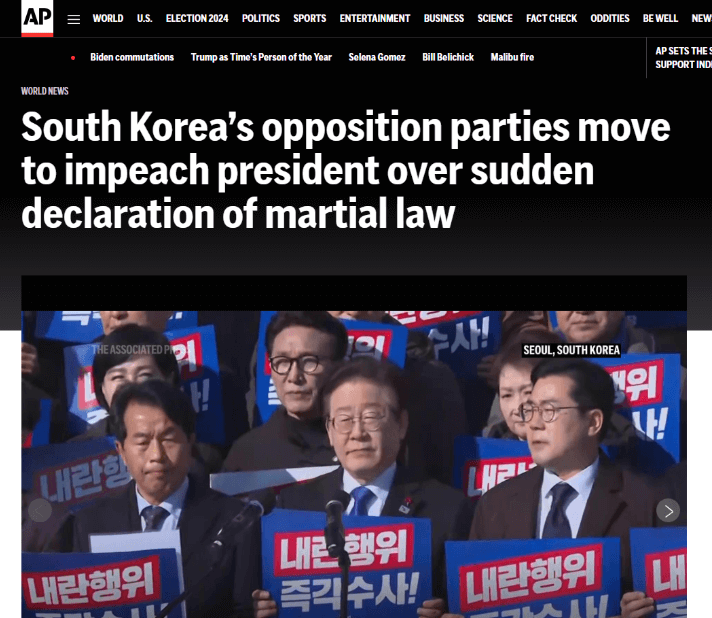
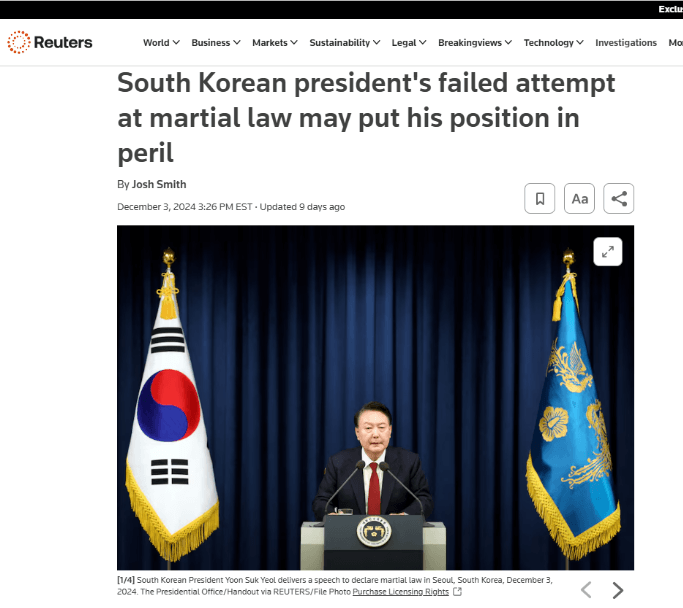
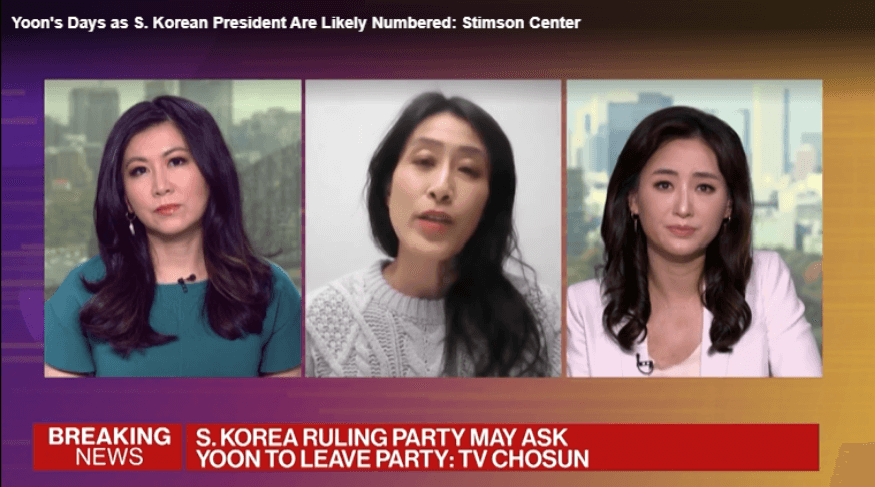
Unrest and volatility gripped South Korea in early December as President Yoon Suk Yeol declared martial law—a decision revoked just six hours later. This turmoil was quickly followed by mass protests, cabinet resignations, and a failed impeachment vote, highlighting significant political instability. Stimson’s Korea Program emerged as a trusted source of expertise, analyzing the national and global implications of these events. Stimson’s insights were cited in over 1,600 news stories, underscoring its pivotal role in shaping the global narrative.
Stimson’s Reimagining U.S. Grand Strategy program challenges conventional thinking about America’s role in the world. In his January 2024 report, “A Credible Grand Strategy: The Urgent Need to Set Priorities,” program director Chris Preble argues for a fundamental shift in U.S. foreign policy, detailing why change is necessary and outlining a clear framework for achieving it.
In the Indo-Pacific, Stimson’s experts offered fresh perspectives on U.S. strategy. Evan Cooper’s “Broken Pivot” report presents actionable pathways to establish a sustainable and impactful U.S. diplomatic footprint in the region that prioritizes American interests. Meanwhile, Kelly Grieco and Cooper collaborated on a comprehensive roadmap for an incoming administration, aligning U.S. strategy with the complex geopolitical realities of a multipolar Indo-Pacific.
https://youtu.be/AFajHGNSytQ
Through the U.S. Arms Trade Transparency project, Stimson’s Conventional Defense program has played a critical role in advancing the discourse on oversight and accountability within America’s extensive arms transfer enterprise. Through a suite of materials, the project provided actionable recommendations that informed engagements with the State and Defense Departments as well as the U.S. Congress, driving efforts to improve transparency and accountability in U.S. security cooperation.
Complementing this work, the program’s Managing the Arms Trade commentary series delivered in-depth, contextually rich insights into the rapidly evolving global arms trade. Covering topics from the war in Ukraine to military aid for Israel, the series addressed critical gaps in public discourse, offering analyses with both precision and depth. Tailored for media, civil society, and Congressional audiences, these write-ups have been cited in prominent outlets, widely circulated among policymakers, and viewed by thousands, further amplifying Stimson’s impact in shaping the global arms trade narrative.
As the North Atlantic Treaty Organization marked its 75th anniversary in 2024, Stimson experts interrogated the alliance’s enduring legacy and explored where NATO cooperation should – and should not – extend.
Unstated assumptions are often at the core of foreign policy decisions, and play a major role in crises like the ongoing war in Ukraine. Policymakers are relying on conventional wisdom about the course of the war, the sustainability of Western support, and the circumstances under which the war might end. Some of these are accurate, but many are not. In her May 2024 paper, Senior Fellow Emma Ashford explores ten commonly heard assumptions about the war in Ukraine to assess their truth — or inaccuracy.
Stimson’s Global Governance, Justice, and Security program played a pivotal role in shaping the agenda for the UN’s highly anticipated Summit of the Future. Through its flagship Global Governance Innovation Report 2024, complemented by insightful policy dialogues and engaging commentaries and podcasts, the program provided actionable recommendations and thought leadership to advance the Summit’s objectives.
Illegal, unreported, and unregulated (IUU) fishing has far-reaching consequences across increasingly complex global supply chains. As a leading market state, the United States holds significant influence in transforming global fishing practices and improving monitoring, control, and surveillance. In 2024, Stimson’s Environmental Security Program, in collaboration with FishWise, co-hosted three workshops with nearly 100 participants, including seafood industry leaders, NGOs, federal agencies, seafood harvesters and processors, trade experts, customs brokers, and academics. These collaborative discussions were instrumental in shaping NOAA’s action plan to enhance the U.S. Seafood Import Monitoring Program. The plan integrated many of the workshop recommendations, focused on improving seafood traceability and labor rights protections throughout the supply chain.
Researching the Root of Complex Global Challenges
Research is at the core of everything Stimson does. Built on a 35-year reputation for rigor, independence, and credibility, our work begins and ends with a commitment to delivering impactful insights. In 2024, Stimson scholars developed a strategic portfolio of research products aimed at providing a comprehensive understanding of risk and vulnerability, addressing some of the world’s most pressing and complex challenges. This holistic approach enables Stimson to deliver authoritative and pragmatic policy analysis to the decisionmakers who need it most.
In 2024, Stimson’s China Program spearheaded a major ongoing research and dialogue initiative to examine Beijing’s emerging role in global conflict mediation. This project delves into China’s growing involvement in mediation during a transformative period for its multidimensional international role. It engages key Chinese actors to explore potential cooperation in mediating conflicts across regions, including Myanmar, Afghanistan/Pakistan, India/Pakistan, the Korean Peninsula, Africa, and the Middle East. The project’s first compilation of works includes analyses of how great powers approach mediation, assessments of how China’s policies align with its non-interference doctrine, investigations into Beijing’s mediatory role in specific conflicts, and best practices for military ceasefire monitoring.
The U.S. Air Force — with its ability to respond where and when needed to aggression by adversaries — has long underwritten U.S. extended deterrence commitments. Today, however, that capability is at risk. For the last three decades, China has built a large and modern missile arsenal capable of attacking the runways needed for the effective projection of American airpower in the region. A December 2024 report from Kelly Grieco, Hunter Slingbaum, and Lt. Col. Jonathan Walker finds that Chinese missiles attacks could close runways and taxiways at U.S. forward air bases in Japan, Guam, and other Pacific locations in the first critical days — and even weeks — of a war between the United States and China. The report, which has seen strong interest from both journalists and the military community, argues that to strengthen deterrence, the U.S. Air Force should build a credible “inside air force,” prioritizing large numbers of lower-cost, mobile, and runway-independent platforms that can support allied- and partner-led air denial operations within the First Island Chain.
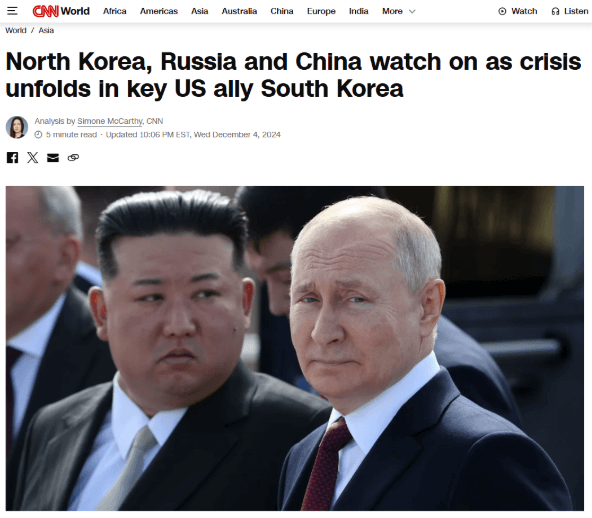
Stimson’s 38 North project, part of the Korea Program, equips policymakers, practitioners, and other stakeholders with critical data and insights to better understand one of the world’s most complex security challenges. In 2024, the project explored some of the most tightly guarded aspects of North Korea’s internal and external affairs. Key investigations included the pervasive digital surveillance within the DPRK, North Korea’s uranium enrichment capabilities, and a surprising glimpse into the niche industry of North Korean animation outsourcing.
https://youtu.be/gA6ycKPK6Q4
What We Learned Inside a North Korean Internet Server
38 North experts detail how a North Korean Internet server’s contents and workflow underscore the growing challenge foreign companies face verifying outsourced work
COMMENTARY
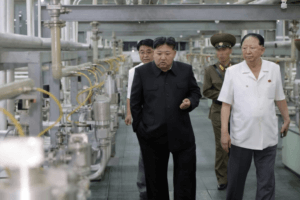
First Look at North Korea’s Uranium Enrichment Capabilities
While only five photos were provided, it is clear that the uranium enrichment program has advanced significantly since it was first revealed.
Olli Heinonen • Jack Lui • Peter Makowsky • Jenny Town • Martyn Williams
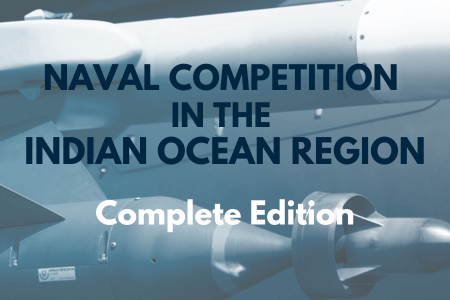
Stimson’s Strategic Learning Initiative (SLI), developed and led by the South Asia Program, continues to be a leading—and free—online resource for exploring Southern Asia’s strategic concepts. Featuring insights from experts in India, Pakistan, and beyond, SLI has become a go-to platform for policymakers, academics, and practitioners. In 2024, SLI launched its fifth course, “Naval Competition in the Indian Ocean Region,” which examines how naval nuclear weapons influence maritime dynamics in the region. Additionally, SLI’s YouTube channel offers quick access to key topics, including arms control, sources of strategic instability, modernization trends, and more, making complex issues accessible to a broad audience.
Stimson’s Environmental Security Program, through its Climate and Ocean Risk Vulnerability Initiative (CORVI), expanded its impact in 2024 by completing full climate risk assessments in Toamasina, Madagascar, and Belize City, Belize (publication pending), as well as rapid assessments in Mauritius and Dominica. These efforts bring the total number of CORVI assessments to 15 and counting.
CORVI employs a science-based, stakeholder-led approach to evaluate climate risk and vulnerability in coastal communities, focusing on building resilience where it is needed most. In every community, the program provides detailed, actionable recommendations designed to reduce climate vulnerabilities, enhance resilience, and support a more secure and sustainable future.
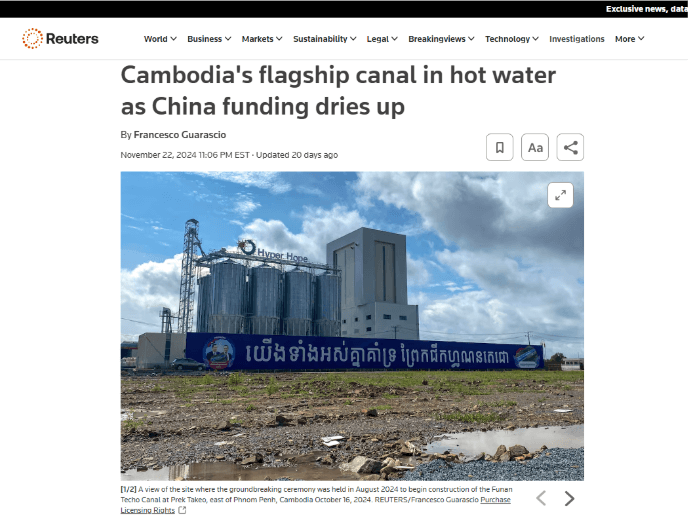
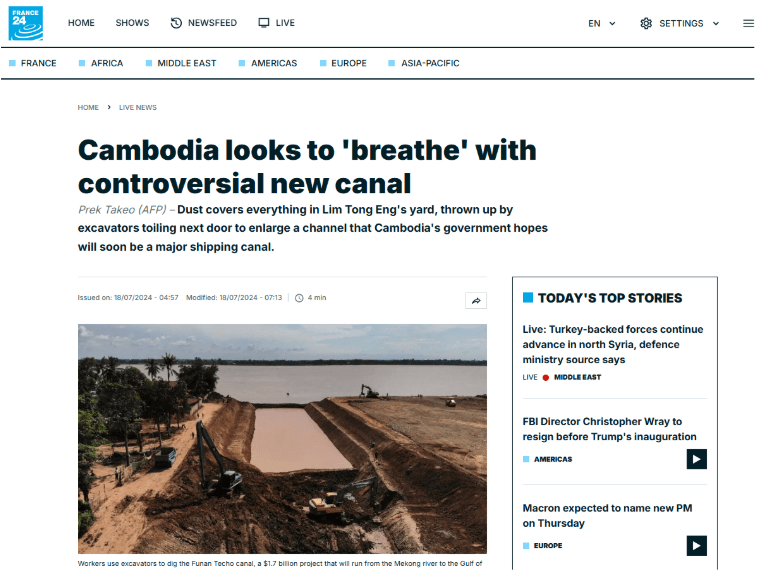
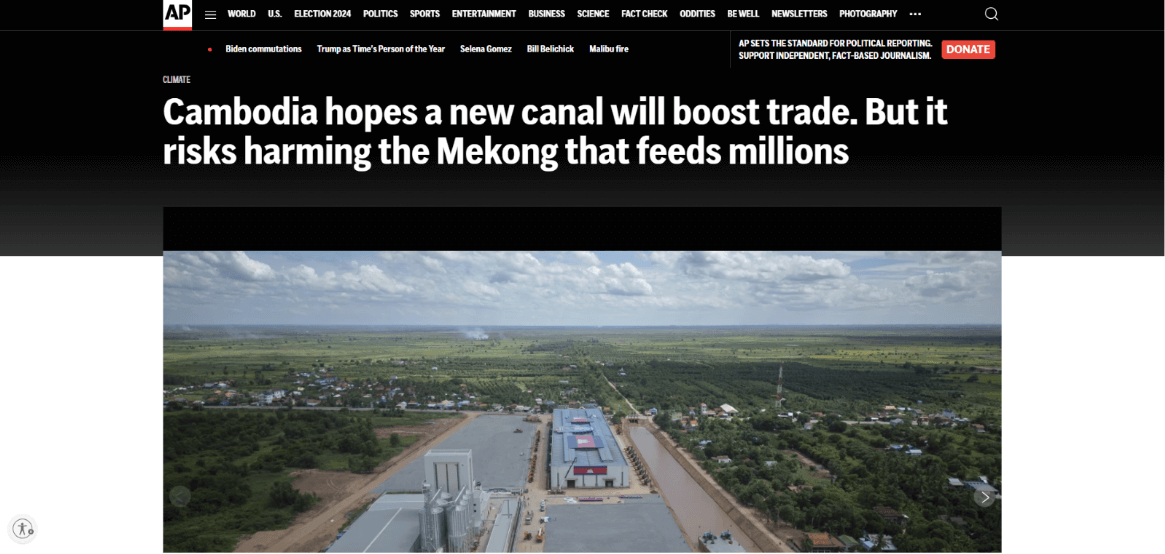
Stimson’s Southeast Asia Program has driven international dialogue on the environmental and legal implications of Cambodia’s Funan Techo Canal. These efforts to promote transparency sparked constructive global discourse and generated nearly 1,000 news articles across 150 unique outlets. The future of this controversial project remains uncertain, underscoring the importance of continued scrutiny and advocacy.
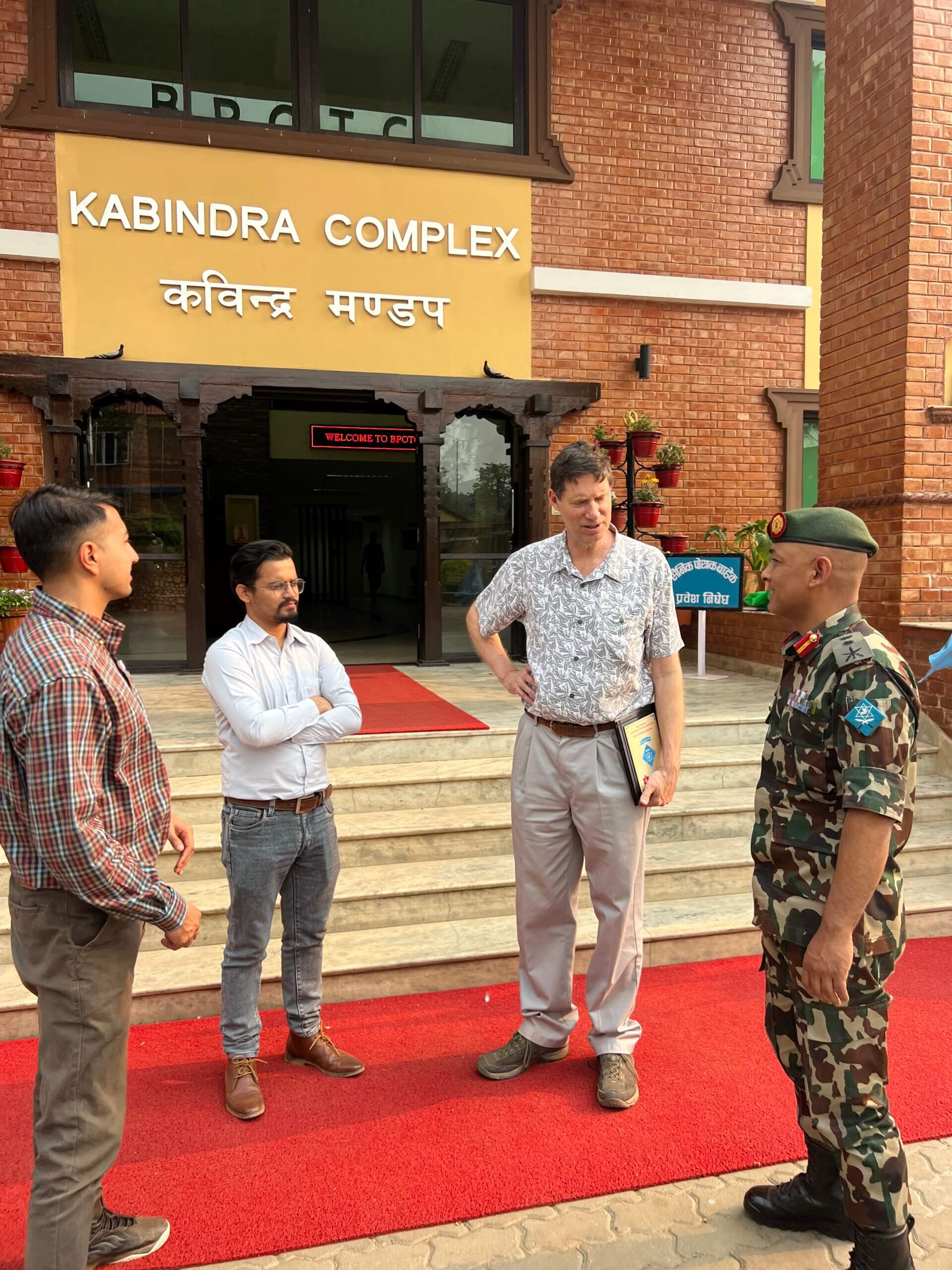
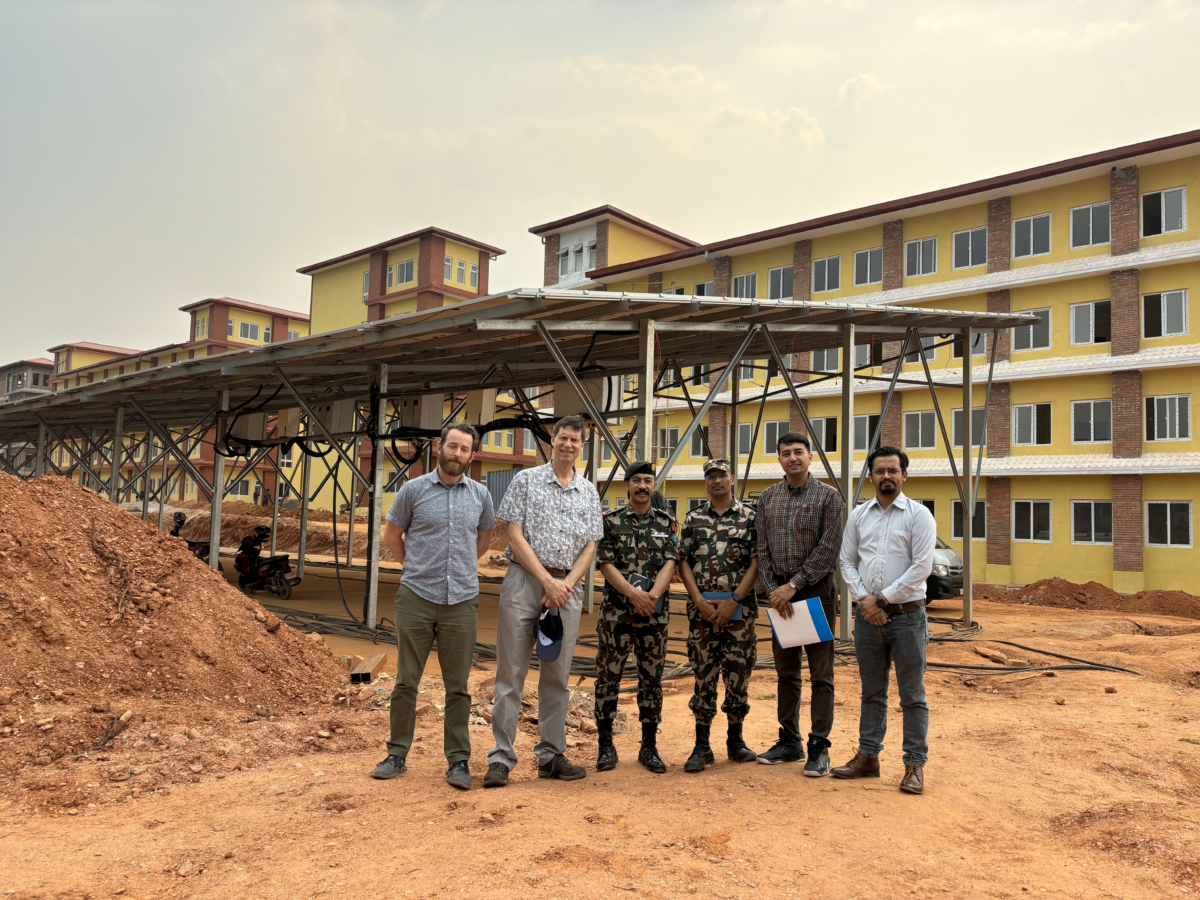
Stimson’s Nepal Early Warning for Cascading Hazards project provided critical on-call support to the Nepal government during the glacial lake outburst flood event in Thame, located in the Khumbu Region. The project’s efforts enabled government officials to better understand the event, assess immediate risks, and take action to protect vulnerable communities.
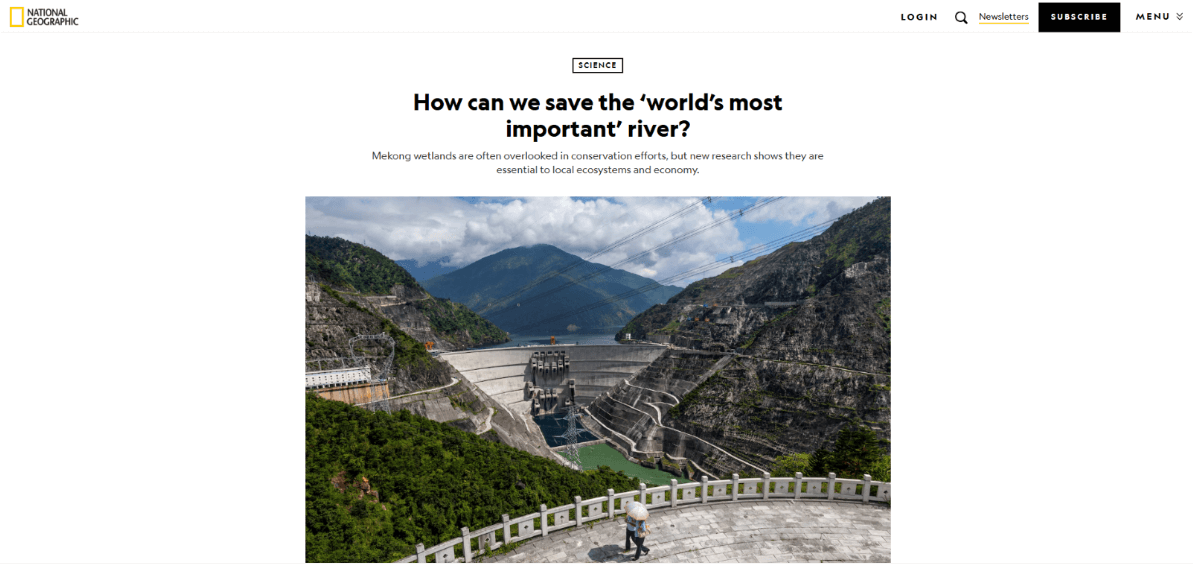
Through the Mekong Dam Monitor, Stimson has fostered greater transparency and cooperation among the governments of Thailand, Laos, Cambodia, and Vietnam. By enabling real-time operations data sharing with the Mekong River Commission, the Monitor supports conservation outcomes and helps mitigate risks during extreme weather events, strengthening climate resilience across the region.
Learn more about the Mekong Dam Monitor
In 2024, Stimson expanded its expertise in national security and strategic defense spending with the launch of the National Security Reform Program. The program’s scholars began their work with a three-part series, “Opening Salvo,” which examined the dysfunction within U.S. national security policy and outlined actionable steps to rein in unsustainable defense spending. Since its release in summer 2024, the series has garnered over 15,000 views and attracted significant attention, with the authors’ insights cited in more than 100 news outlets, including Vox, the Hill, and Defense One.
Stimson’s Cyber Program launched a groundbreaking report on accountability in cyberspace, fostering innovative thinking and sparking global dialogue on this critical issue. Through a consultative research process and a series of related events, the program engaged governments and stakeholders at the UN and beyond to address the challenges of cyber governance. Looking ahead to 2025 and beyond, the program remains focused on advancing cyber accountability in close collaboration with UN member states and host countries, reinforcing its commitment to shaping a secure and responsible digital future.
Up Next in 2025
Featuring Congressman Joaquin Castro, this timely event examines the unintended consequences of transparency in U.S. arms transfers. While transparency is vital for accountability, it can also expose vulnerabilities and complicate relationships with key partners. Join experts as they explore the balance between openness and national security, shedding light on the trade-offs that shape arms policy and international trust.
Don’t miss this critical conversation on the complexities of the U.S. arms trade in today’s global context.
Stephen Heintz, President and CEO of the Rockefeller Brothers Fund, will join us for a thought-provoking conversation on navigating foreign policy amidst global challenges. As part of our ongoing efforts to convene leaders and visionaries, this event will explore strategies to address uncertainty and foster international cooperation in a rapidly changing world.
Stay tuned for this timely discussion as we kick off the new year with fresh perspectives on global leadership.
Register
Innovative Ideas.
Changing the World. SINCE 1989
Support our Work
You can opt out at any time. We respect your privacy and will not sell your personal information. See our privacy policy for more.